You wake up with missing hours. Your body feels wrong, your mind is hazy, and you have zero memory of how you got home. For years, victims of drug-facilitated sexual assault faced a devastating wall of silence, dismissed because they couldn't remember the details of their own trauma. That is changing. Caroline Darian, daughter of Gisele Pelicot, has launched a massive nationwide awareness campaign across France to shatter the stigma surrounding chemical submission and give a voice to those who have been drugged and abused.
When Dominique Pelicot was convicted for drugging his wife Gisele and inviting strangers to assault her in their home in Mazan, it exposed a terrifying reality that society preferred to ignore. Gisele became a global beacon of strength by refusing anonymity. Now, her daughter is taking that momentum a step further with the Mendorspas association, pushing primetime TV spots, posters, and digital broadcasts to tell survivors one crucial truth: lack of memory does not mean lack of evidence. If you enjoyed this article, you might want to look at: this related article.
Why Chemical Assaults Go Unreported
Statistics show that in roughly 75% of drug-facilitated abuse cases, the perpetrator is someone the victim knows intimately—a relative, a partner, or a trusted friend. This proximity breeds a unique brand of isolation. When the person who poisoned your drink or slipped a substance into your food is sitting across from you at Sunday dinner, the psychological barrier to reporting is immense.
Most victims second-guess themselves. They wake up groggy, assume they simply drank too much, or blame exhaustion. Perpetrators rely heavily on this self-doubt. By the time the haze clears, any active substances may have left the bloodstream, leading police and medical professionals to turn people away due to a lack of immediate physical proof. For another perspective on this story, check out the latest coverage from Everyday Health.
Darian's campaign directly attacks this barrier. Working alongside the Centre of Excellence on Substance-Facilitated Assaults in Paris, the initiative educates the public on how and where to seek specialized forensic guidance, proving that forensic tracking and psychological support are still possible long after the incident occurs.
Shifting the Burden of Shame
Shame is a weapon used by abusers to keep victims quiet. Gisele Pelicot famously stated that shame needs to change sides, moving away from the survivor and landing squarely on the attacker. Her daughter's campaign echoes this exact philosophy on a systemic level.
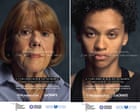
Posters splashed across French cities feature stark, uncomfortable truths written from the perspective of survivors: "On my birthday, I was drugged by my stepfather," or "Last night, I was drugged by my brother." These messages force society to confront the uncomfortable reality that domestic spaces are often the most dangerous environments for women and vulnerable individuals.
If you or someone you know suspects they have been targeted through chemical submission, taking action immediately can make all the difference.
- Document everything physical: Note any unexplained physical symptoms, unusual hangovers, or gaps in time immediately.
- Reach out to specialized medical networks: General emergency rooms are not always equipped for nuanced toxicology tracking, so look for specialized forensic medical units or domestic abuse support hubs.
- Trust your instincts: If your body tells you something happened, do not let a lack of memory convince you otherwise.
The fight against chemical submission is finally stepping out of the shadows. It is time to listen.