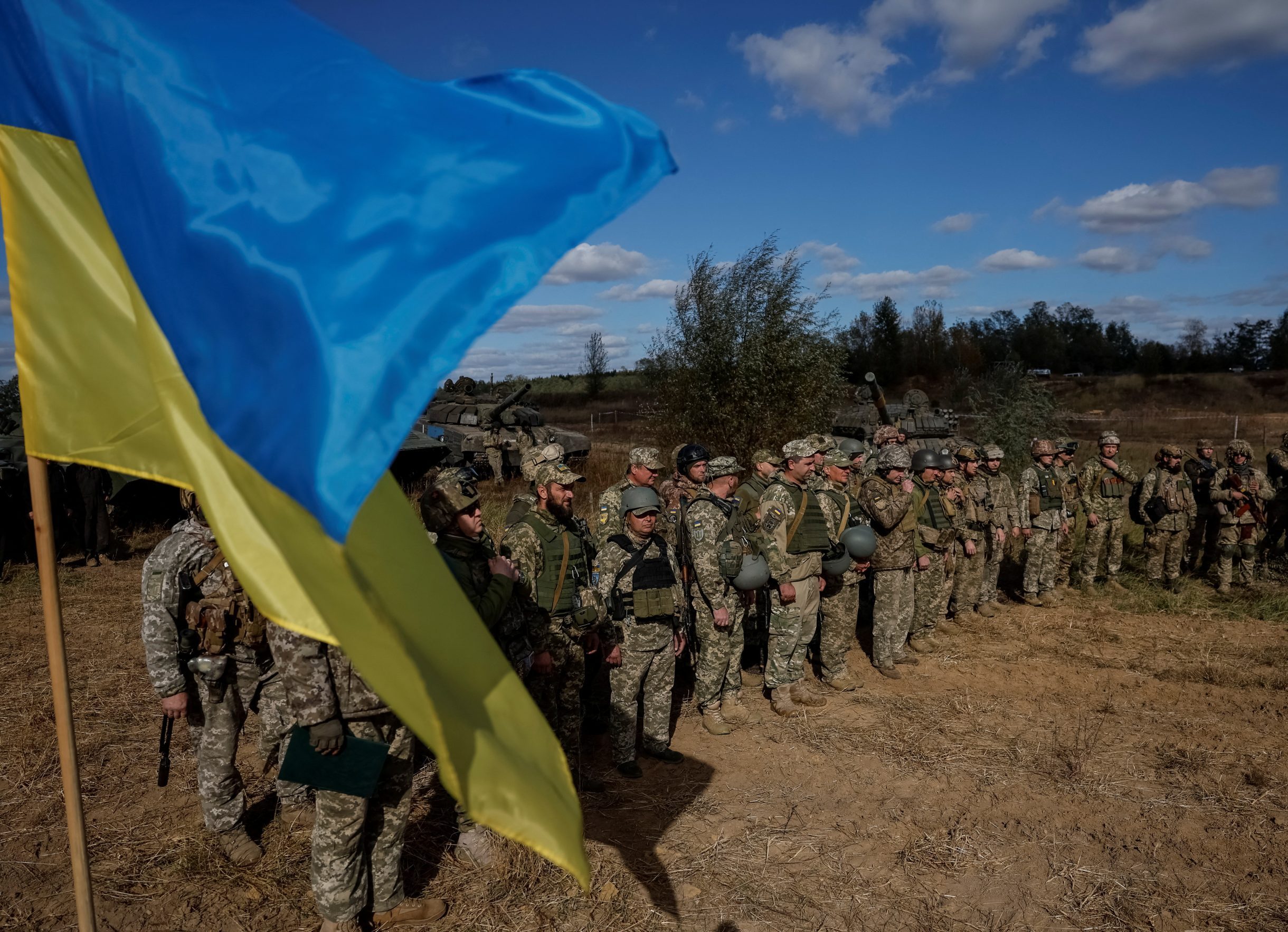
Look, let us be completely honest about what is happening on the ground right now. When Ukrainian leadership signals readiness for US backed talks with Russia, the diplomatic ground shifts under our feet. For years, the narrative has stayed simple and rigid. Kyiv fights until every inch of territory returns. Moscow keeps pressing its grinding offensive.
People miss the nuanced reality of how modern wars actually wind down. They think diplomacy happens overnight. They imagine a sudden treaty signed in a grand hall. Real life looks much messier. It involves quiet channels, heavy pressure from Western allies, and a desperate balancing act between national sovereignty and sheer physical survival.
Let us break down what this shift actually means for the future of the region.
The Pressure Behind US Backed Talks
Washington has never been a passive bystander in this conflict. Billions of dollars in military aid and intelligence sharing tie the White House directly to Kyiv's military capability. But strategy evolves.
When diplomatic signals change, it usually means the math behind the front lines has shifted. The strain on manpower, artillery supplies, and civilian infrastructure takes a massive toll over time.
Here is what most casual observers misunderstand about negotiations. Agreeing to talk does not mean surrendering. It means changing the battlefield strategy to include political maneuvering. Zelenskyy knows that keeping Washington fully aligned requires showing a willingness to engage diplomatically, even while maintaining heavy defenses.
You have to look at the broader diplomatic architecture. European capitals want stability back. The economic drag of a prolonged war hurts global supply chains and political stability across multiple continents. When US officials push for structured pathways to dialogue, Kyiv has to listen closely.
What the Kremlin Actually Wants
Moscow plays a very different game. For years, Russian leadership has used maximalist demands to stall meaningful dialogue. They want recognition of territorial grabs. They want structural limits on Ukrainian security alliances.
Yet, economic isolation and heavy military losses wear down even the most aggressive state machinery. Sanctions bite hard. Supply lines strain under prolonged drone warfare.
When President Zelenskyy opens the door to structured talks backed by American security guarantees, it throws a wrench into Moscow's propaganda machine. For a long time, the Kremlin claimed Kyiv refused all diplomacy. Changing that dynamic forces Russia to either show its cards or expose its lack of genuine interest in a fair peace.
The Real Risks on the Horizon
Diplomacy carries immense danger. Bad faith actors use ceasefire talks to regroup, rearm, and launch fresh offensives. History gives us countless examples of fragile truces breaking within weeks.
If talks move forward under American backing, the enforcement mechanisms must be ironclad. Security guarantees cannot just be empty words on paper. They need teeth. They need military deterrence behind them to prevent a future invasion cycle.
Citizens living near the front lines understand this better than anyone. They do not care about abstract geopolitical theories. They care about whether their homes will stay standing tomorrow.
Moving Past the Stalemate
We are entering a phase where military victories alone will not end the conflict. Both sides face severe limits. The winter months, economic pressures, and shifting political landscapes in Western democracies create a narrow window for diplomatic breakthroughs.
You need to watch how the upcoming months unfold in diplomatic channels. Pay attention to the wording coming out of Washington and Kyiv. The shift toward US backed talks with Russia marks a turning point, but the hard work of securing a lasting, stable peace has only just begun.
Keep your focus on concrete policy changes rather than political rhetoric. Look at logistics, supply agreements, and security pacts. That is where the real story lives.