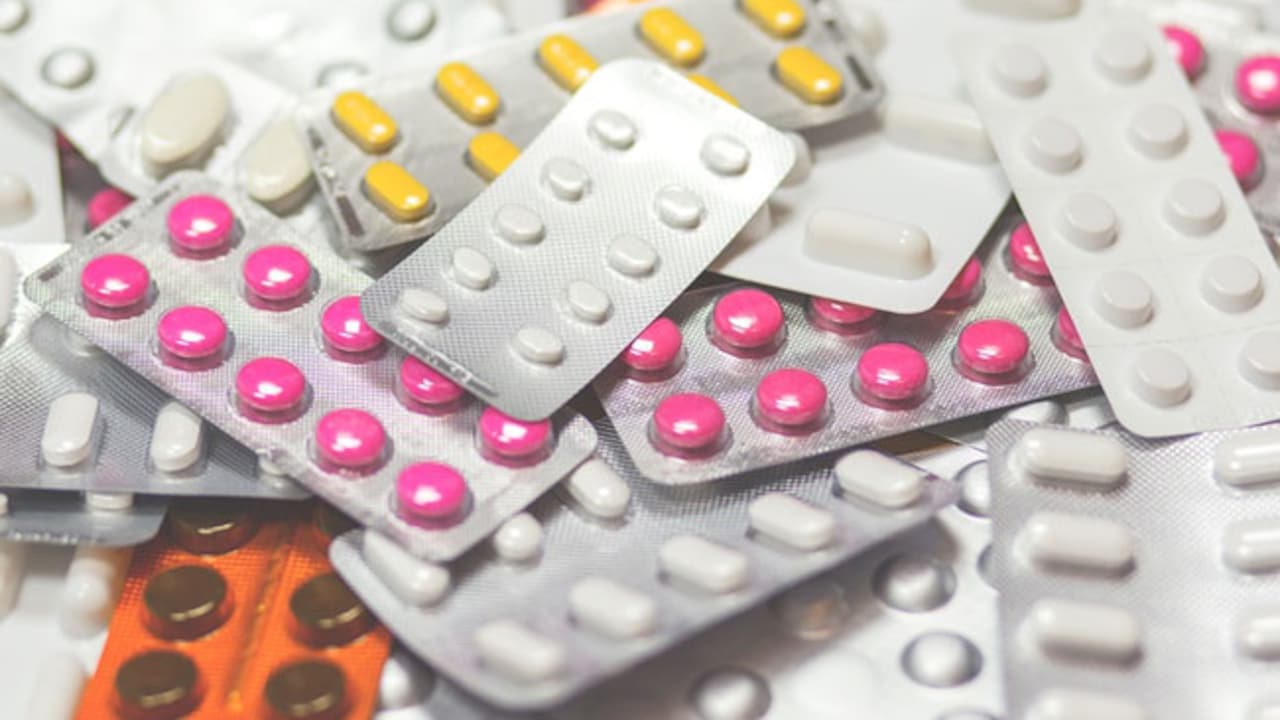
Trade policy meets medicine cabinets in a way that directly impacts global supply chains. When the US Commerce Department published its Federal Register notice outlining zero percent tariff rates for specialty drugs from India and 19 other nations, it created a massive shift in how high-end therapeutics move across borders. You need to understand what this exemption actually means, who benefits, and why generic drugs were never part of this specific equation.
The Reality Behind Section 232 Pharmaceutical Tariffs
President Donald Trump signed a proclamation aimed at ramping up domestic US pharmaceutical manufacturing by hitting imported patented drugs, biologics, and associated ingredients with a steep one hundred percent tariff. That sounds alarming on paper. If you looked only at the headlines, you would assume every foreign drug entering the American market just doubled in price.
Reality is much more nuanced. The policy carves out critical exceptions. The Commerce Department set a zero percent ad valorem tariff rate for specialty drugs imported from twenty specific jurisdictions, including India, the European Union, Japan, South Korea, Switzerland, Taiwan, and the United Kingdom.
Qualifying for that zero rate isn't random. The notice makes it clear that these jurisdictions qualify because they maintain current or forthcoming trade and security framework agreements with Washington. If you ship standard mass-produced medications, this announcement doesn't change your day-to-day operations. Generic pharmaceutical products and their associated ingredients sit entirely outside these Section 232 pharmaceutical tariffs.
Which Specialty Drugs Actually Escape the Tax
The tariff waiver targets specific high-value medical treatments rather than everyday prescription pills. If you or someone you know relies on advanced therapies, the distinction matters immensely.
The zero percent tariff applies directly to:
- All drugs designated for rare diseases
- Infertility treatments
- Advanced cell therapies
- Gene therapies
- Antibody-drug conjugates
- Animal pharmaceuticals
- Key components and active ingredients required to manufacture these specific items
Why target these categories? The US domestic manufacturing base cannot instantly pivot to produce complex biologics, gene therapies, and orphan drugs at scale. Slacking tariffs on these specific items prevents immediate supply chain shocks for vulnerable patient populations who rely on specialized global manufacturing networks. India, with its massive footprint in producing complex generics, biosimilars, and active pharmaceutical ingredients, stands as a critical partner in keeping these niche treatments accessible.
The Bigger Picture for Global Supply Chains
For Indian pharmaceutical exporters, this exemption removes a massive financial hurdle that could have crushed margins on high-end biologics and cell therapies. Developing an antibody-drug conjugate or a cell therapy requires immense capital and precision. Slapping a punishing tariff on those imports would have instantly spiked treatment costs for American hospitals and patients, or forced manufacturers to scramble for alternative distribution channels.
At the same time, the rules draw a hard line. Finished pharmaceutical products, active pharmaceutical ingredients, and key starting materials form the boundaries of what these definitions cover. Unpatented animal health products also received technical corrections to ensure they are properly classified under generic exemptions.
You should expect supply chains to adapt quickly. Pharmaceutical companies aren't waiting around. They are auditing their active ingredient sourcing right now to ensure compliance with the trade and security framework requirements that anchor these exemptions. If you are watching global healthcare markets, keep an eye on how bilateral security agreements develop between the US and the qualifying nations over the coming months. Policy shifts here happen fast, and staying ahead of the regulatory definitions is the only way to avoid costly border delays.