Donald Trump loves a big number. When he stands behind a podium to tout a massive international agreement, he wants voters to hear billions, or even hundreds of billions, in foreign capital headed straight for American shores. But foreign leaders have grown tired of being cast as props in Washington's domestic political theater.
South Korea isn't just sitting back and taking it anymore.
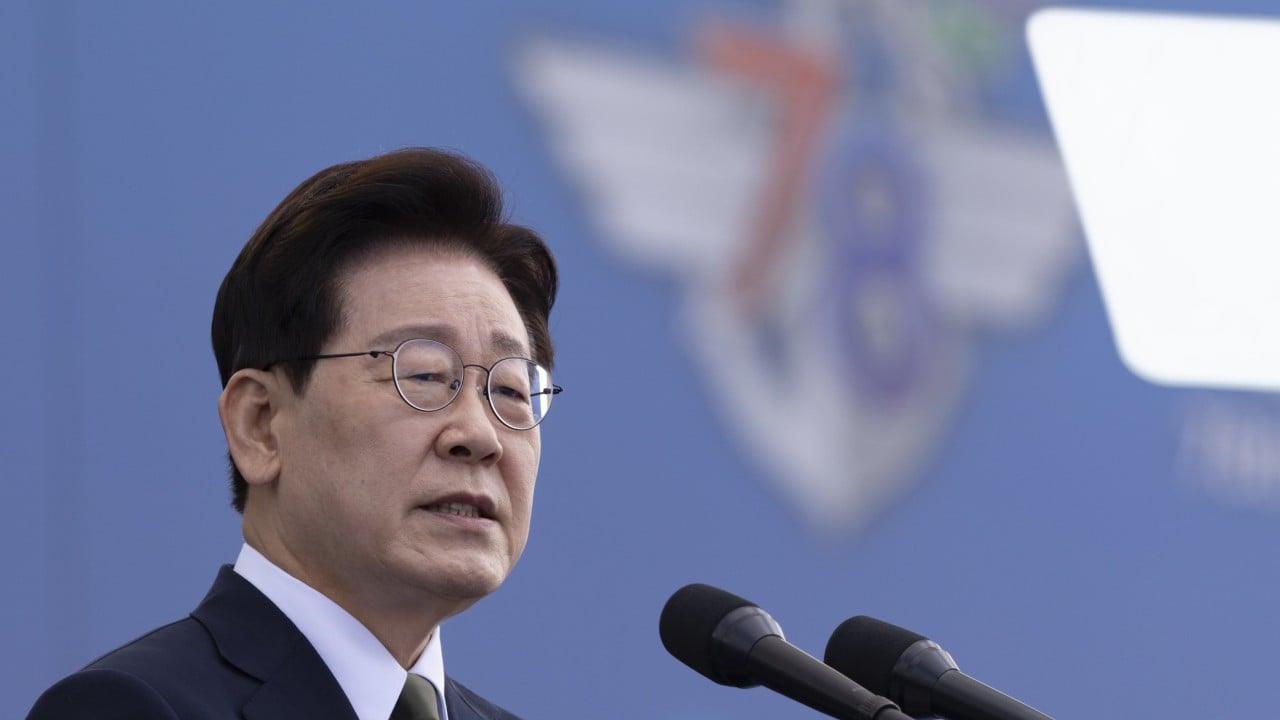
When Seoul's leadership recently slapped back at Washington's framing of a massive energy and industrial pact, it signaled a sharp pivot in bilateral trade dynamics. President Lee Jae Myung made it clear that commercial viability isn't optional. It's the absolute baseline for any South Korean capital crossing the Pacific. If you want Seoul's money, you have to prove it makes financial sense, not just political points ahead of a congressional election.
The Reality Behind the 350 Billion Dollar Pledge
Let's look at the numbers driving this tension. Under a trade understanding struck in July 2025, South Korea committed to an eye-watering 350 billion dollar investment package in the United States. That figure includes 150 billion dollars earmarked for shipbuilding and another 200 billion dollars spread across strategic energy sectors and infrastructure. In exchange, Washington was supposed to dial back tariffs on South Korean exports.
It sounds like a clean win-win on paper. Reality, however, is messy.
Trump recently hyped a 200 billion dollar energy deal tied to the package, highlighting specific projects like a massive 6-gigawatt power plant in Texas and a staggering 120 billion dollar commitment toward building eight nuclear reactors. Timing is everything here. With US midterm elections looming, framing these investments as immediate American victories helps shore up vulnerable congressional seats.
The trouble? Seoul's officials didn't appreciate Washington treating tentative agreements as signed, sealed, and delivered contracts.
Why Commercial Viability Trumps Political Optics
Corporate boardrooms in Seoul operate on profit margins, not campaign cycles. When South Korean conglomerates look at multi-billion-dollar infrastructure ventures abroad, they analyze supply chain bottlenecks, regulatory hurdles, and long-term returns. They don't answer to American voters.
By insisting on further talks and strict commercial vetting, President Lee is sending a direct message. You can't rush industrial policy through press conferences. South Korean firms are facing immense domestic pressure to protect their own shareholders and maintain financial health in a volatile global economy. Sinking capital into politically expedient projects that lack ironclad economic backing is a massive risk no CEO wants to take.
This pushback isn't just about money. It's about sovereignty and mutual respect in trade negotiations. For years, smaller allies felt compelled to swallow optimistic public declarations from Washington without correcting the record. South Korea's latest move breaks that mold.
What This Means for Global Trade Strategy Moving Forward
If you are tracking international economics, this friction highlights a broader shift. Nations are increasingly unwilling to subordinate their national economic interests to foreign electoral calendars.
- Expect tougher negotiations: Future trade pacts will feature much more granular clauses regarding execution timelines and financial feasibility.
- Watch the corporate reaction: Major South Korean chaebols will demand explicit risk-sharing mechanisms from Washington before breaking ground on large-scale energy projects.
- Political blowback is real: When leaders overstate agreement terms for domestic audiences, they risk alienating the exact international partners they need to execute the deal.
Stop assuming foreign investments happen just because a politician says they will. The details matter, the bottom line matters, and Seoul has proven it won't sign a blank check for anyone's campaign speech.
Check out South Korea-US Investment Breakdown to learn more about the specific details included in the bilateral investment package. This video provides a detailed breakdown of the 350 billion dollar framework discussed by South Korean and US leaders.