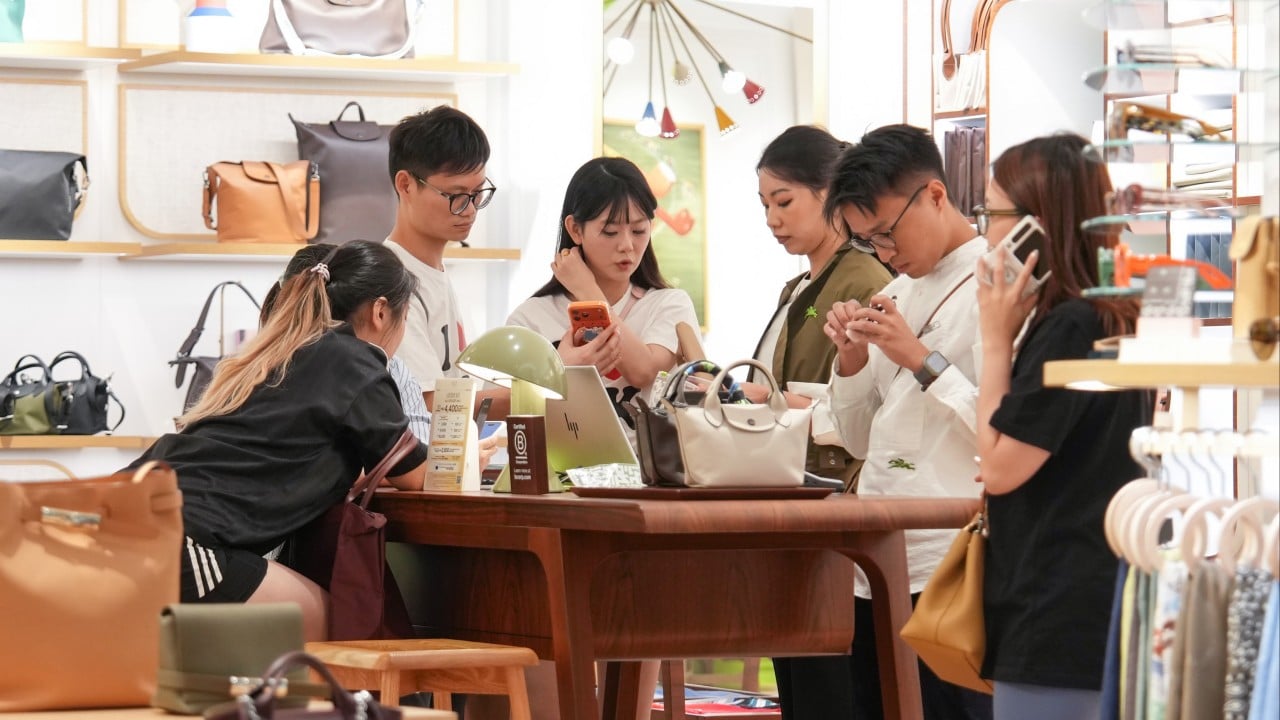
Heavy rain outside usually clears the streets, but Hong Kong shopping centres tell a completely different story. On the second day of the National Day break, over 277,300 mainland Chinese visitors crossed the border, accounting for nearly half of all inbound passenger traffic. Instead of packing outdoor landmarks like the Peak Tram, the downpour drove massive crowds straight indoors. Malls across Tsim Sha Tsui and Causeway Bay became the default destination, breathing unexpected life into the city's retail economy.
If you expected tourism to remain sluggish or spending habits to stay entirely frozen, the numbers force a reality check. Over 1.29 million mainland tourists are projected to visit during this holiday stretch. Yet, a packed corridor doesn't automatically equal a windfall for every merchant. Consumer behavior has shifted dramatically, and store owners who rely on old playbooks are learning expensive lessons.
The Shift From Heavy Spenders to Cautious Browsers
You can't walk through a major retail complex right now without noticing the sheer density of foot traffic. Elevators are jammed, escalators form human gridlocks, and restaurants report long lines spilling into walkways. But look closer at what people are actually carrying.
The era of unrestricted, luxury-bag-stacking tour groups has evolved. Visitors are being much more selective with their cash. Hotels in popular districts are enjoying occupancy rates topping 90 per cent, proving people are willing to stay overnight. However, dining and retail choices are heavily filtered through value and experience. When local dining discounts and half-price movie perks roll out, budget-conscious diners jump on them. Diners at popular spots like Tai Hing have openly celebrated discounts that trimmed small tabs down nicely, showing that even modest savings matter.
Merchants face a tough balancing act. Rent and labor costs in the city remain brutally high. Drawing a crowd of hundreds of thousands of arrivals is great for atmosphere, but turning those visitors into paying customers requires sharp pricing and distinct offerings. Shenzhen shoppers heading north for cheap weekend treats and giant egg tarts reveal a two-way street of cross-border bargain hunting that keeps competition fierce.
Rain Dampens Outdoor Spots and Drives the Indoor Rush
Bad weather during a major holiday usually spells disaster for tourism boards. When outdoor attractions get washed out, travel itineraries collapse. Fortunately, Hong Kong's hyper-dense indoor infrastructure absorbed the shock.
Shortened queues at the Peak Tram weren't a sign of failing tourism. They were a symptom of a mass migration indoors. Visitors pivoted within hours to air-conditioned arcades, mega-malls, and connected subway shopping hubs. It's a reminder of why the city's urban design remains resilient against sudden weather shifts. You stay dry, you keep shopping, and you find food without getting soaked.
What Retailers Need to Do Right Now
If you run a business or manage property in these high-traffic zones, waiting for the old boom times to return on autopilot is a losing strategy. Here is what separates thriving stores from struggling ones during peak weeks:
- Lean into micro-experiences: Tourists want memorable moments they can share, not just standard retail inventory.
- Optimize for mobile payments: Frictionless checkout keeps lines moving when foot traffic peaks unpredictably.
- Offer clear value: Transparent promotions beat hidden luxury markups every single time.
The National Day influx proves that Hong Kong hasn't lost its pull. People still want to cross the border, eat well, and soak in the energy. How businesses adapt to modern spending habits will determine who survives long after the holiday lights turn off. Stop assuming foot traffic tells the whole story. Look at the receipts.