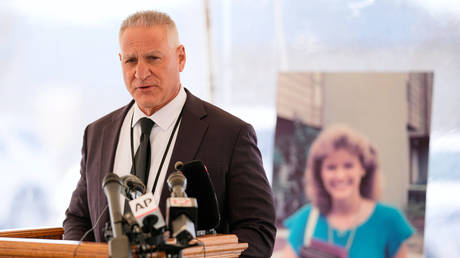
Elections in the Golden State usually feature frantic media blitzes and endless campaign stops. This year feels entirely different. Democrat Xavier Becerra is sitting on a massive, double-digit polling advantage against Republican challenger Steve Hilton, and he is doing it by barely running a traditional campaign.
Recent surveys from organizations like the Public Policy Institute of California show Becerra commanding around 60 percent of likely voter support compared to Hilton's 38 percent. Meanwhile, UC Berkeley IGS polling highlights a similar wide margin. If you wonder how a former federal official can secure such a comfortable cushion while keeping a low public profile, you have to look at the unique math of California politics and the strategic choices shaping this race.
The Strategy Behind Becerra's Quiet Frontrunner Campaign
Politicians live by the rule that visibility is everything. Becerra is throwing that playbook out the window. Since advancing past a crowded primary field that included heavyweights like Katie Porter and Tom Steyer, the former U.S. Health and Human Services Secretary and California Attorney General has largely avoided heavy media rounds and unscripted public appearances.
Critics call it hiding. Strategists call it disciplined defense. When you hold a commanding lead in a heavily Democratic state where registered party members outnumber Republicans by millions, your biggest enemy is your own unforced error. By staying quiet, Becerra prevents his opponents from defining a major narrative against him. He doesn't need to shake every hand in the Central Valley when statewide demographics already tilt heavily in his favor.
How Steve Hilton is Trying to Disrupt the Math
Steve Hilton isn't sitting back. The former television host and conservative commentator is capitalizing on Becerra's absence by hitting the airwaves and local media circuits hard. Hilton's campaign focuses heavily on affordability, one-party rule, and the everyday frustrations of working-class Californians struggling with high living costs.
Hilton needs a major shakeup to close a gap that stretches past twenty points in major polling averages. His strategy relies on calling out Becerra's silence and forcing aggressive clashes on policy. When high-stakes events like the televised debate arrive, it represents one of Hilton's few pathways to puncture the armor of a frontrunner who is trying to run out the clock.
What the Numbers Tell Us About the Electorate
Polls show stark divides across demographics and regions. Becerra holds comfortable leads across nearly every major age, gender, and income bracket. The sole major exception sits in the Central Valley, where Hilton holds a narrow edge in regional polling.
Yet, numbers can mask underlying vulnerabilities. Even among supporters, polls indicate that a substantial share of the electorate holds lukewarm or unfavorable views of both contenders. Voters are tired, anxious about inflation, and looking for concrete solutions to housing crises and infrastructure strains. When a race relies less on enthusiastic support and more on partisan baseline math, the dynamic shifts from inspiring voters to simply avoiding a stumble.
What Happens Next in the Contest to Succeed Gavin Newsom
With term-limited Governor Gavin Newsom preparing to exit office, the stakes for running the nation's most populous state remain massive. Voters are making their choices clear ahead of November, with mail-in ballots dropping soon and final deadlines approaching.
If you want to track election developments or check official voting logistics as election day nears, consult the California Secretary of State portal for verified updates. Keep an eye on how both campaigns handle their final confrontations. Frontrunner status offers comfort, but in modern politics, twenty-point cushions can evaporate the moment a candidate stops paying attention to the ground.