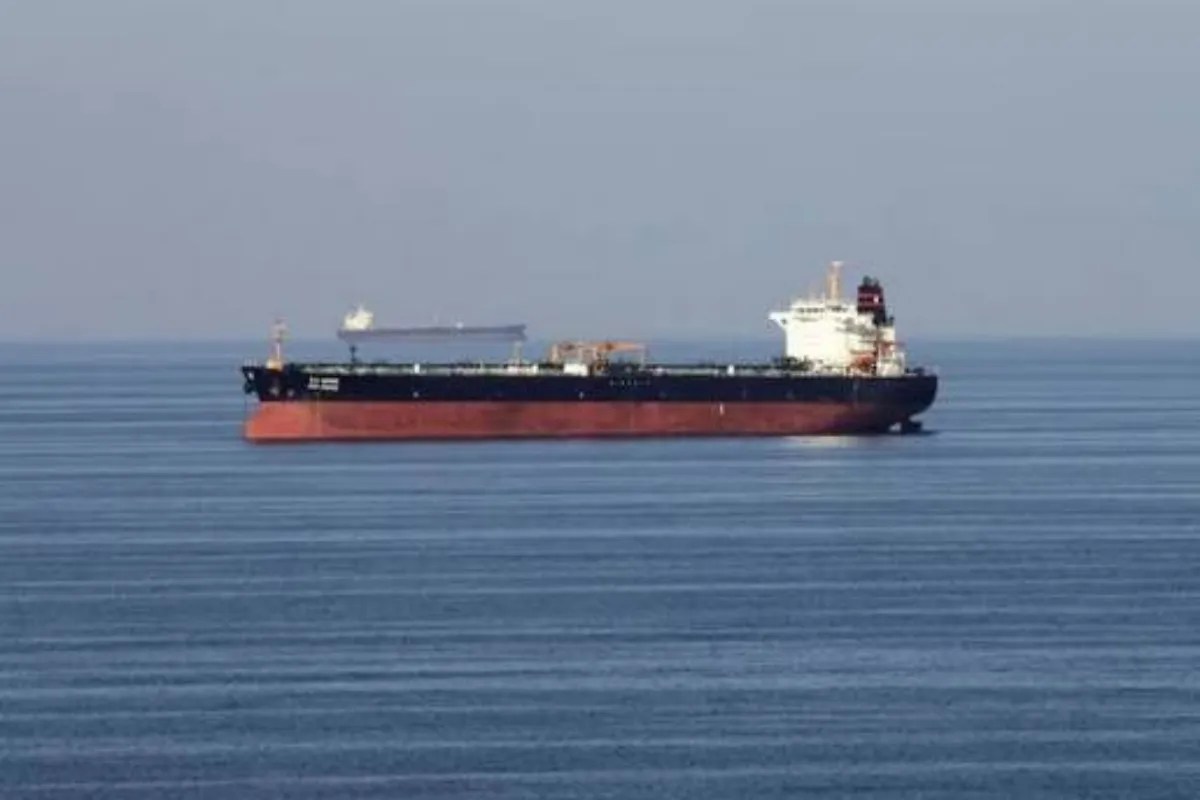
Geopolitical posturing rarely matches reality on the ground, or in this case, on the water. When Tehran recently insisted that its military forces maintain absolute dominance over the Strait of Hormuz, the response from Washington was blunt, dismissive, and utterly unapologetic. The United States Central Command didn't just disagree. They flatly stated that Iran doesn't possess a functional navy at all, citing historical engagements where American forces neutralized those maritime capabilities.
Let's look at why this specific waterway matters so much. Roughly a fifth of the world's petroleum consumption moves through this narrow choke point between the Persian Gulf and the Gulf of Oman. Control of these waters means controlling a massive economic lifeline. Tehran’s senior military officials, including Rear Admiral Habibollah Sayyari, recently claimed that the Islamic Revolutionary Guard Corps Navy exercises effective authority across the western segments of the strait, blocking unwanted traffic and dictating terms.
Washington's counter-argument relies on empirical data rather than rhetoric. CENTCOM pointed out a simple, undeniable metric: commercial traffic. Over the past several months, thousands of cargo vessels and more than one billion barrels of crude oil have transited the strait without disruption or Iranian permission. If a nation truly controls a maritime choke point, commercial tankers don't pass freely by the thousands.
Military analysts know that modern naval power isn't just about speedboats or coastal artillery batteries. It is about sustained blue-water capability, electronic warfare superiority, and the ability to maintain sea control under contested conditions. Iran maintains a large asymmetric fleet of fast attack craft and submarines capable of harassment and minelaying. Yet, calling that a conventional navy capable of total regional dominance is a massive stretch.
The psychological warfare here is relentless. Tehran wants regional allies and domestic audiences to believe it holds the ultimate switch for global energy supplies. Washington wants markets, shippers, and international partners to know that the US military guarantees freedom of navigation.
If you ship goods or track global energy markets, ignore the loud headlines coming out of state media. Look at the insurance rates, the satellite tracking data, and actual tanker movements. Those numbers tell the real story. The Strait of Hormuz remains contested in theory, but open in practice. Keep an eye on commercial shipping logs rather than ministerial speeches to understand who actually runs the water.