Foreign aid is undergoing a massive structural shift. October 1 marked the formal rollout of the America First Global Health Strategy, completely rewriting how the United States handles international medical and development assistance in low- and middle-income countries.
If you've followed Washington's spending habits for decades, this overhaul looks entirely different from past practice. Instead of blank-check grants funneled through third-party NGOs and multilateral organizations, the federal government is now demanding bilateral co-investment.
Here is what is actually changing, why critics and analysts are split, and how this new system works on the ground.
The End of the Old Aid Model
For years, U.S. foreign assistance operated on a familiar premise. Washington sent billions overseas to prop up public health systems, buy pharmaceuticals, and run parallel medical programs in developing nations. Proponents viewed it as vital humanitarian work. Critics argued it created permanent dependency and allowed local governments to underfund their own healthcare sectors.
The current administration decided to break that mold. Under the new strategy, recipient nations cannot simply take U.S. money without skin in the game.
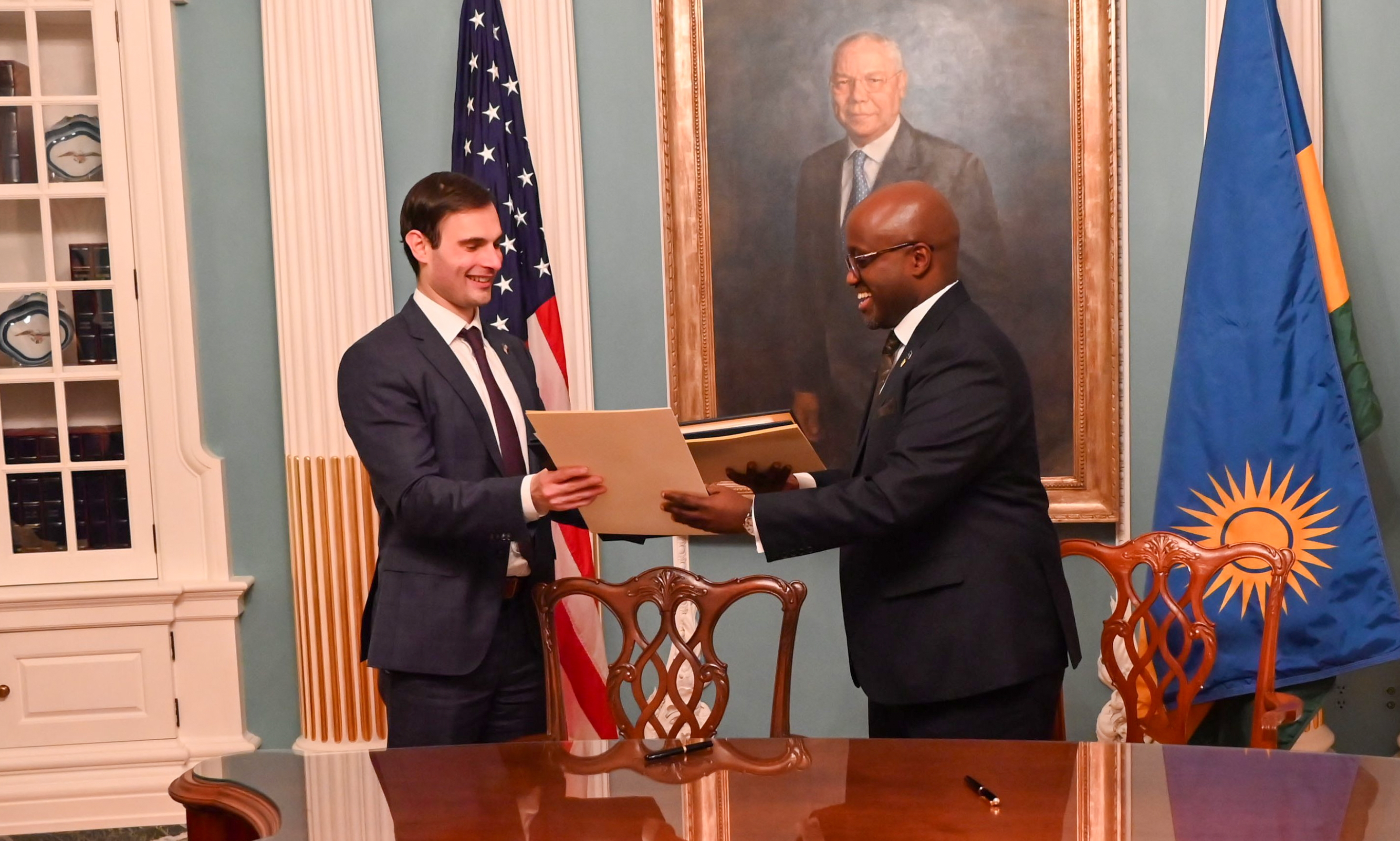
To qualify for funding, countries must sign a formal Memorandum of Understanding. These agreements establish exact financial commitments from the partner nation's government alongside U.S. contributions.
So far, Washington has secured these agreements with 35 countries, locking in about $14 billion in multi-year healthcare investments. Nations like Nigeria, Rwanda, the Philippines, Bolivia, and El Salvador are among the early participants adjusting to this transactional framework.
How the Co-Investment Framework Works
The core idea behind the America First Global Health Strategy is self-reliance. Washington wants partner countries to take eventual ownership of their public health infrastructure rather than remaining tethered to American taxpayers.
The system relies on structured bilateral agreements rather than open-ended grant disbursements. Key elements include:
- Financial Pledging: Host governments must commit a defined portion of their own domestic revenue toward healthcare goals outlined in the agreement.
- Performance Incentives: Financial support is tied directly to meeting specific health metrics, with extra backing available for countries that exceed their targets.
- Bilateral Overhaul: Traditional aid pipelines managed by independent agencies and foreign contractors are being scrutinized or replaced to ensure funds integrate directly with local public systems rather than creating isolated parallel structures.
Supporters point out that demanding local accountability forces governments to prioritize health in their national budgets. Without this pressure, local elites often siphon domestic revenues away from public services while relying entirely on foreign donors to cover basic medical needs.
Why Analysts Are Raising Red Flags
While the logic of building self-reliance sounds clean on paper, policy experts and global health advocates are deeply concerned about the speed and execution of the transition.
Jocilyn Estes, a policy analyst at the Center for Global Development, notes that the plan is being rolled out at a rapid pace. Moving dozens of developing nations onto a strict co-investment model overnight risks severe administrative friction and service disruptions in fragile regions.
Other critics argue that tying aid to strict national commitments and strategic alignment ignores economic realities. Many low-income nations simply lack the fiscal capacity to match U.S. contributions without cutting other critical public services like education or infrastructure.
There are also fierce debates over transparency and priorities. Critics warn that the transactional nature of the strategy forces foreign health policy to bend too heavily toward U.S. domestic political goals and corporate interests, sidelining urgent local health crises that don't offer immediate strategic returns for Washington.
The Road Ahead for International Assistance
The October 1 transition is more than a bureaucratic adjustment. It signals a permanent cooling toward traditional internationalism in foreign policy.
Whether this approach succeeds depends on whether partner countries can absorb the financial burden or if essential health programs collapse under the weight of new bureaucratic hurdles. If recipient governments successfully step up, Washington will have achieved a sustainable model of shared responsibility. If they stumble, millions of vulnerable people in developing nations could lose access to lifesaving care.
Keep a close eye on how the initial 35 partner nations manage their budget allocations over the coming fiscal year. Their performance will dictate whether this strategy becomes the global standard or a cautionary tale of overreach.