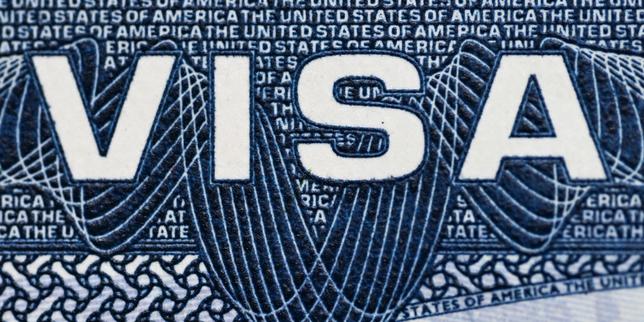
Foreign policy rarely gets personal, but Washington's latest diplomatic maneuver hits right at the judicial branch. The United States government just pulled the entry visas of 27 individuals across four Latin American nations, targeting powerful figures including high-ranking prosecutors, judges, and lawmakers. If you think this is standard bureaucratic housekeeping, you're missing the entire strategic shift happening right now in Western Hemisphere relations.
What Triggered the US Visa Crackdown
The announcement from the State Department, spearheaded under Secretary of State Marco Rubio, targets corruption and institutional decay head-on. At the epicenter of this move is Bolivia. Twenty-one individuals within Bolivia—ranging from top prosecutors to multiple judges and a constitutional court figure—saw their travel privileges instantly erased.
Among the primary targets is Bolivian Attorney General Roger Mariaca. Washington accuses him of abusing his high-profile public office by soliciting and accepting bribes to protect drug traffickers and shield violent criminals from accountability. According to the State Department, these actions directly sabotage broader regional campaigns against narcoterrorism while dismantling local democratic safeguards.
When a superpower starts canceling travel documents for sitting members of a foreign judiciary, it signals a massive breakdown in diplomatic trust. It's a blunt weapon, but Washington is wielding it to bypass slow international courts and hit corrupt officials where it hurts their personal mobility and asset security.
Beyond Bolivia: The Four-Nation Sweep
While Bolivia absorbs the heaviest blow with 21 restrictions, the crackdown extends across four separate countries in total, pulling in figures from Colombia, Ecuador, and Peru.
- Bolivia: The main focus, hitting 21 prosecutors, judges, and legal elites, including Attorney General Roger Mariaca.
- Colombia: Targeting figures including a prominent business mogul and a sitting lawmaker accused of undermining regional stability.
- Ecuador: Encompassing local officials flagged for corruption and obstruction of justice.
- Peru: Snaring high-level judicial figures, including a constitutional court judge.
This multi-country sweep isn't random. It follows a clear pattern of targeted pressure against individuals accused of using state apparatuses to shield criminal syndicates. By going after judges and prosecutors instead of just politicians, Washington is directly attacking the impunity pipeline. When corrupt actors lose access to Western financial centers and travel corridors, the cost of corruption spikes dramatically.
The Real Strategy Behind Visa Restrictions
Why use visa revocations instead of traditional sanctions? Simple: speed and deniability. Freezing bank accounts requires months of Treasury investigations and complex legal hoops. Revoking a visa? That's an administrative decision made overnight by the executive branch.
For years, corrupt magistrates and political fixers in Latin America treated American shopping trips, family vacations, and university enrollments for their kids as routine perks of office. Stripping away those privileges changes the personal calculus for local elites. When public corruption means you can never board a flight to Miami again, local accountability gets a sudden, sharp jolt.
Of course, critics argue that unilateral visa bans amount to heavy-handed interference in sovereign judicial systems. When Washington starts vetting foreign judges and deciding who is honest, it blurs the line between anti-corruption diplomacy and overt coercion. Yet, for nations struggling to clean up deeply entrenched judicial rot from within, outside pressure often becomes the only lever that actually moves the needle.
Expect more of this aggressive diplomatic posture. As regional security priorities tighten, Washington isn't waiting for local judicial reforms that take decades. They're cutting off the travel privileges of the elite right now. Keep an eye on how local governments respond, because this kind of pressure usually triggers fierce nationalist pushback or sudden internal purges.