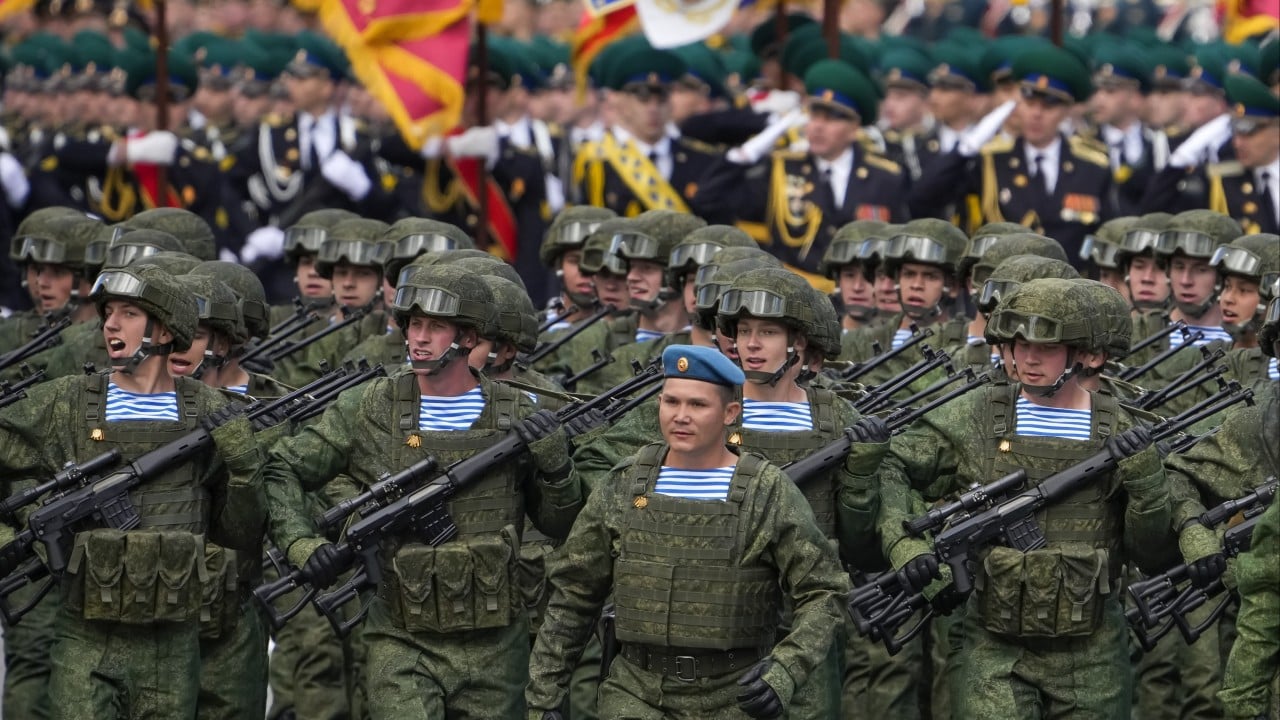
Another week, another military expansion in Moscow. Russian President Vladimir Putin just signed a presidential decree adding 15,500 active-duty service members to the country's armed forces.
This isn't an isolated event. It's the fourth time this year that the Kremlin has officially raised its authorized personnel ceiling. If you look closely at the numbers coming out of official state portals, the total authorized military headcount now sits at 2,441,630 personnel, which includes 1,550,500 active-duty troops.
Let's break down why this matters and what it tells us about Moscow's current military strategy.
The Real Numbers Behind the Fourth Expansion
When you track the trajectory of Russia's force structure over recent months, a clear pattern emerges. Back in March, a presidential decree set the total force structure at 2,391,770. Subsequent bumps in June and late July pushed the ceiling higher, culminating in the late-September order that added another 15,500 troops to the active-duty roster.
Overall, the authorized size of Russia's military has grown by nearly 50,000 personnel since March alone.
Why keep tweaking the paperwork? Analysts point to a mix of recruitment incentives, ongoing contract soldier drives, and the heavy attrition associated with the ongoing war in Ukraine. Rather than announcing a sweeping, highly unpopular mass mobilization wave akin to the autumn 2022 call-up, Moscow relies on steady bureaucratic expansions matched with lucrative financial bonuses to draw volunteers into contract service.
Avoiding Political Fallout
Mobilization is politically radioactive in major Russian urban centers like Moscow and St. Petersburg. Conscription cycles happen twice a year—starting in April and October—and authorities have steadily adjusted draft parameters, such as raising the upper conscription age limit to 30.
By utilizing incremental decree adjustments to expand the official ceiling, the Kremlin manages force requirements without triggering panic or widespread protests. It's a calculated balancing act. Financial incentives for contract soldiers have skyrocketed, drawing men from economically depressed regions while keeping the political costs manageable in the country's economic hubs.
What Next for European Security
As NATO capitals monitor these successive force expansions, defense planners are recalibrating their long-term assessments. Russia's stated goal of growing its active military capacity signals that Moscow is preparing for a protracted conflict and a long-term standoff with Western allies.
The immediate reality on the ground is simple. The decrees keep coming, the recruitment apparatus continues to churn, and the authorized size of Russia's armed forces climbs higher with each passing quarter. Keep an eye on autumn conscription figures and state budget allocations for the defense ministry to see how sustainable this steady climb truly is.