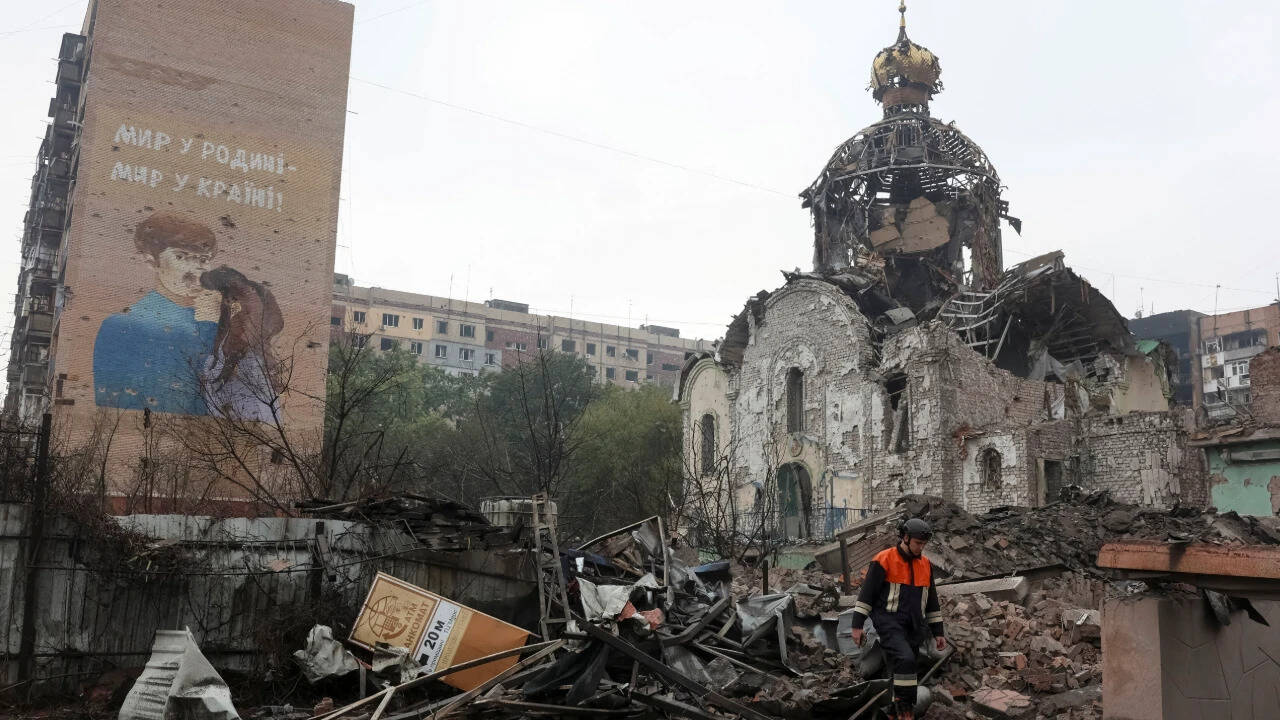
Seven people are dead in Kyiv following another overnight wave of missile and drone attacks. It's a grim reminder that Moscow isn't waiting for snow to start freezing out civilian life. The latest assault on the Ukrainian capital's power grid highlights a terrifying reality: Ukraine's air defense network is stretched to its absolute breaking point right as freezing temperatures loom.
Prime Minister Serhii Koretskyi pointed out that while Russia has targeted energy infrastructure almost daily since summer, this particular combined attack packed a scale unseen since the previous heating season ended. Jet-powered drones buzz through the daytime skies, drawing out the sirens, while ballistic and cruise missiles rain down at night. Don't forget to check out our recent article on this related article.
The Math Behind the Air Defense Crisis
You can't intercept ballistic missiles with wishful thinking. You need Patriot batteries, and Ukraine is critically short of them.
Air force spokesperson Yurii Ihnat laid out the stark numbers recently. In August alone, Russia hurled 2,850 jet-powered drones at the country. By late September, that number had already climbed past 3,177. These aren't old, slow-moving hobbyist drones. They are fast, agile, and deliberately designed to overwhelm traditional anti-aircraft guns. If you want more about the history of this, Reuters provides an excellent breakdown.
When your interceptor inventory dwindles, hard choices have to be made. Do you protect a military staging ground, or do you save the substation powering a hospital in Kyiv? You can't do both when supplies run dry. Foreign Minister Andrii Sybiha called it what it is—an escalation of terror designed to crush civilian morale by freezing out homes, water supplies, and electricity.
Weaponizing Winter Once Again
This strategy isn't new. Moscow tries the same playbook every single year. The goal is simple: make cities unlivable so millions of refugees flee westward, placing massive political and economic strain on Europe.
President Volodymyr Zelenskyy noted that energy sites in and around the capital remain the primary bullseye. Every transformer blown up means months of repairs under hazardous conditions. Repair crews are working faster than ever, but they're racing against an enemy that adapts its payload every single week.
If Western allies don't speed up deliveries of advanced interceptors, the upcoming months will test the limits of human endurance across the country. Kyiv isn't just fighting a war on the frontline anymore; it's fighting a war for heat, light, and survival.