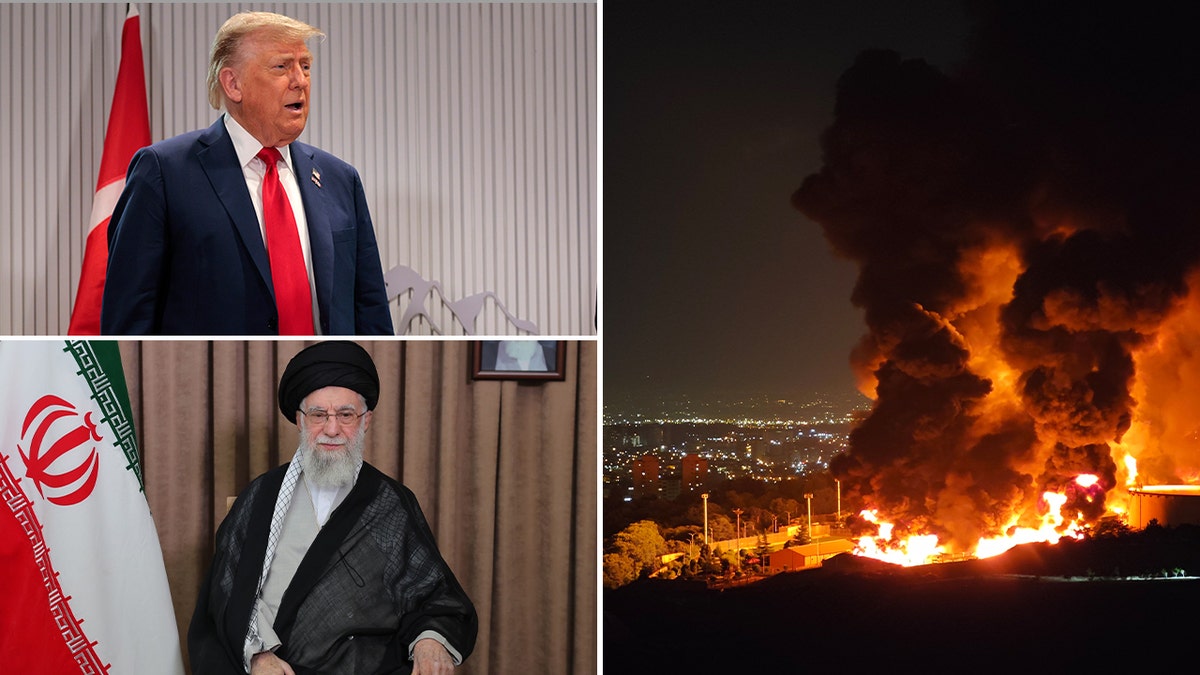
Donald Trump just dropped another vague timeline on the ongoing conflict with Iran, telling reporters in Washington that the war will wrap up "very soon." He offered zero specifics. No roadmap, no ceasefire terms, and no details on how Washington plans to bring Tehran to a permanent halt.
If you've been tracking energy markets or following Middle East geopolitics, you know these broad declarations rarely match reality on the ground.
Let's look past the political posturing. What's actually driving these remarks right now, and what do the ground realities tell us about the trajectory of the US-Iran conflict?
The Disconnect Between Rhetoric and Ground Realities
When a world leader announces that a complex military engagement will end quickly without providing any mechanisms, markets react. Oil prices dropped roughly 2.5 percent following the remarks, driven largely by traders trying to price in potential supply recoveries. But look closer at what marine-tracking firms and regional experts are reporting.
Crude flows through the Strait of Hormuz are currently hovering near 13.1 million barrels per day. That's about 80 percent of pre-war levels. Gulf producers and the US military have managed to establish complex escort routes and workaround shipping tactics to keep energy moving. Tehran's absolute chokehold on the waterway is loosening, which changes the economic pressure points entirely.
Trump claims the US will win quickly and that gasoline prices will tumble down. Yet, Iranian Foreign Minister Abbas Araghchi and diplomatic channels report that talks through mediators are moving at a snail's pace, tangled over disagreements on nuclear stipulations and sanctions relief.
The Political Calculus Behind the Timeline
Why make these claims now? Midterm elections are approaching fast. Voters care deeply about cost-of-living spikes and soaring fuel costs. When pump prices stay high due to regional supply squeezes, voters point fingers at the White House.
By insisting the conflict will end soon, the administration attempts to calm jittery consumer confidence. But Tehran's Islamic Revolutionary Guard Corps (IRGC) is playing its own aggressive messaging game. They've publicly appealed to the US public, urging citizens to take to the streets and claiming the military campaign has failed.
It is standard information warfare. Both sides are trying to shape domestic American public opinion before voters head to the ballot boxes.
What to Watch Next in the Conflict
Don't expect an immediate diplomatic breakthrough just because a microphone caught a hopeful soundbite in the Oval Office. Real peace deals require verified text, agreed-upon border or maritime protocols, and mutual concessions on nuclear monitoring. None of those concrete elements have been finalized in public view.
If you are trying to understand where energy prices and regional security are heading, ignore the sweeping declarations. Watch the actual tanker data through the Strait of Hormuz, monitor official treasury sanction enforcements, and track whether mediators actually bridge the gap on ceasefire proposals. That is where the real story unfolds.