Politicians usually spend the final weeks before an election sweating it out in swing states. They chase independent voters in suburban coffee shops and fight for every single yard in places like Ohio or Michigan. But sometimes, you have to look at where a campaign chooses to kick things off to understand its true state of mind.
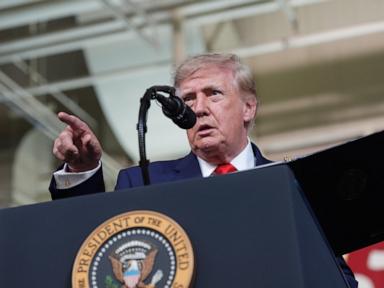
President Donald Trump isn't sticking strictly to traditional battlegrounds as the midterm cycle heats up. Instead, he dropped right into deep-red Alabama, heading straight for Mobile to rally a crowd and thank the loyal base that helped build his political movement. While the national media treats this as a victory lap in friendly territory, a closer look reveals sharp strategic maneuvering beneath the surface. The GOP is eyeing a high-stakes congressional district, and every rally crowd matters when the House majority sits on a razor edge.
Let's look at what's actually happening on the ground. Alabama isn't a swing state by any stretch of the imagination. Statewide Republican victories are basically a given here. So why waste presidential time and campaign energy in a place that is already locked down?
The answer sits right in the state's 2nd Congressional District. Following redistricting battles and court rulings that reshaped regional boundaries, this district has turned into a brutal battleground. Democratic Representative Shomari Figures captured the seat in 2024, giving the state two Black representatives for the first time in modern history. Now, Republican challenger Rhett Marques is pushing hard to flip it back, backed by a concerted party strategy to reclaim vulnerable seats across the South.
National rating outfits like the Cook Political Report and major news desks have labeled this specific contest as a major target. Republicans need every seat they can lock down to defend their fragile grip on the U.S. House of Representatives. Even though Alabama leans overwhelmingly conservative overall, localized boundary shifts mean individual districts can break away from the state's general trend. Trump's presence is designed to inject immediate momentum into the local ticket and fire up base turnout in adjacent regions, including Florida's conservative panhandle.
Beyond the direct fight for the House, these massive rallies serve another purpose that campaign strategists understand all too well: voter enthusiasm management. In safe states, base voters often assume their side has already won and simply stay home on election day. Trump has openly voiced frustration with this exact dynamic, warning his supporters not to sit out just because polls show them safely ahead. By generating massive media attention and bringing packed crowds together, the campaign tries to keep local energy high so down-ballot candidates don't suffer from voter apathy.
At the same time, the timing overlaps with major regional announcements. The visit coincides with infrastructure milestones, including the rollout tied to the multi-billion-dollar Mobile River Bridge and Bayway project. Local leadership frames these heavy investments as vital for the Gulf Coast economy, giving the rally an extra layer of local relevance that goes beyond standard campaign stump speeches.
If you want to track how the battle for Congress unfolds, don't just stare at the traditional toss-up states in the upper Midwest. Watch how parties mobilize their own backyards. When margins are this tight, winning a safe state isn't enough; you have to squeeze every single vote out of every single district on the map.