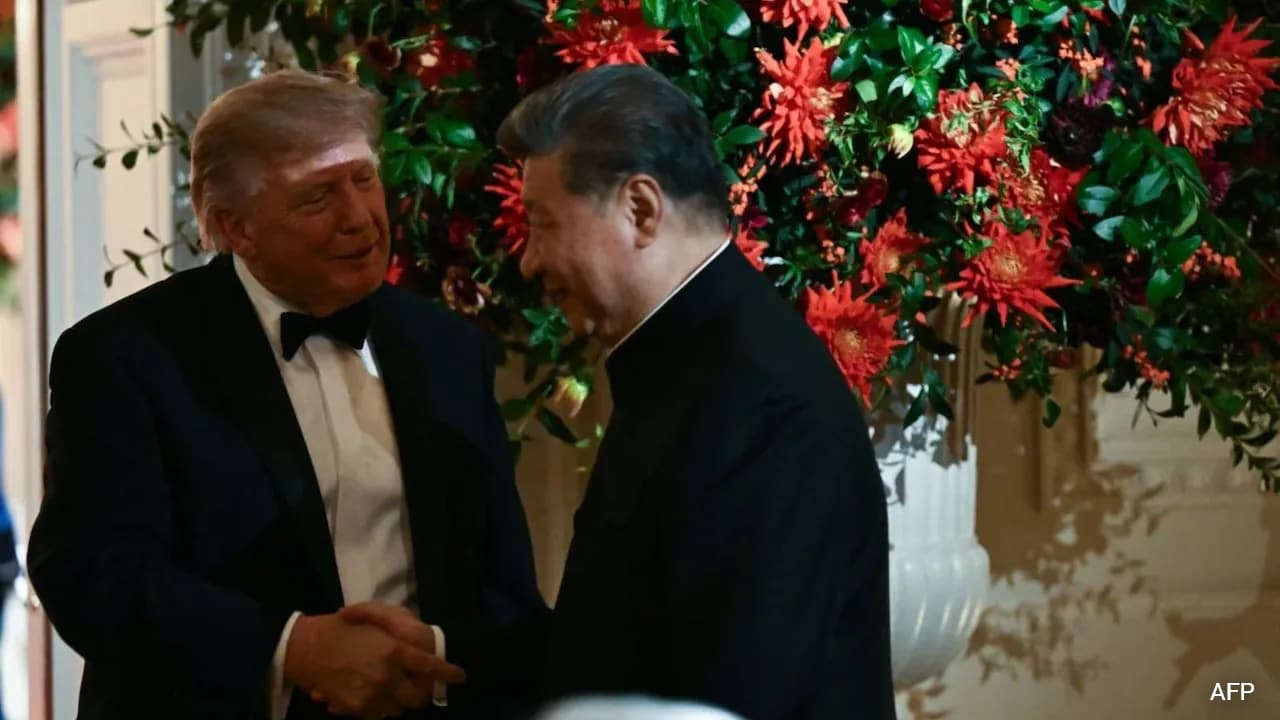
Diplomacy is basically high-stakes theater mixed with an aggressive sales pitch. Behind closed doors, leaders drop the polite public veneer and talk about leverage, deficits, and hardware. Think back to when Donald Trump hosted Chinese President Xi Jinping at the White House and threw a curveball question right across the table. He asked whether China wanted to buy American weapons.
Most people missed the point of that exchange. They brushed it off as another standard eccentric moment from a businessman turned politician. That's a mistake. When a superpower president pitches military gear to a strategic rival, it reveals a massive amount about how international trade, security guarantees, and economic pressure actually collide in the Oval Office.
The Real Agenda Behind White House Salesmanship
Let's look at what was really happening. America runs a massive trade deficit with Beijing. For decades, Washington tried standard diplomatic channels, tariff threats, and multilateral summits to fix the gap. None of it worked the way policymakers wanted.
Trump brought a transactional mindset to foreign policy. If you want to balance trade books, you sell high-value exports. What has a higher price tag than advanced defense systems? Fighter jets, missile defense components, and naval hardware represent billions in manufacturing contracts.
Offering to sell military equipment to Beijing sounds absurd on paper. After all, Pentagon planners spend every working hour modeling potential conflicts against the exact same nation. Yet, from a pure ledger perspective, it fits a specific pattern. It reframes a geopolitical standoff into a commercial transaction. Xi didn't take the bait, of course. No major world power outsources its national security supply chain to its primary competitor. But the question itself changed the temperature of the room. It forced a conversation about economic dependency.
Why Military Hardware is the Ultimate Export
You can't talk about arms sales without understanding why countries guard their defense industries so fiercely. Selling weapons isn't just about moving inventory. It creates a multi-decade relationship.
When a nation buys your military aircraft, they buy your training programs, your maintenance schedules, your spare parts, and your software updates. You lock that buyer into your technological ecosystem for thirty years.
Trump understood this dynamic intuitively. By floating the idea of arms sales, he was poking at a fundamental Chinese vulnerability. Beijing spends billions on indigenous military research and development to catch up with Western capabilities. Asking if they want to buy American gear is a subtle way of reminding them who sets the technological ceiling.
Real trade balance demands high-end manufacturing exports. Soybeans and commercial airliners only get you so far. Defense tech sits at the absolute top of the export food chain.
How Diplomacy Actually Works Behind Closed Doors
Public statements are for voters and domestic media. Real negotiations happen when the cameras are off and the aides are sweating.
Diplomatic envoys who have leaked or reported on these interactions note that Trump loved throwing unconventional proposals at foreign counterparts. He wanted to see how they would react under pressure. Xi Jinping is a master of stoic patience. He didn't flinch, didn't laugh, and didn't take offense. He deflected the question with standard diplomatic polish.
That contrast defines modern superpower competition. You have an American executive treating geopolitics like a corporate merger, squaring off against a Chinese leader playing a multi-century game of patience and territorial consolidation.
Most political commentary gets this wrong. Analysts try to fit every presidential action into a neat ideological box. They look for grand strategies and master blueprints. Sometimes, a pitch is just a pitch. It tests boundaries. It measures how much economic leverage one side holds over the other.
What This Means for Future Global Trade
We are living through a fractured global economy. The era of frictionless globalization is dead. Nations are reshoring manufacturing, slapping export controls on semiconductors, and building economic blocs.
When leaders talk about buying and selling today, they aren't talking about weapons or free trade. They are talking about supply chain security, critical minerals, and artificial intelligence chips. The pivot from asking about military hardware to restricting advanced tech exports shows how quickly the battlefield shifts.
If you want to understand how modern leaders negotiate, stop listening to their press briefings. Look at what they try to sell each other when nobody else is watching. Watch the leverage points. Notice how quickly economic survival overrides political ideology.
Take a close look at how current administrations handle trade negotiations today. Don't fall for the surface-level theater. Follow the hardware, follow the supply chains, and watch who blinks first.