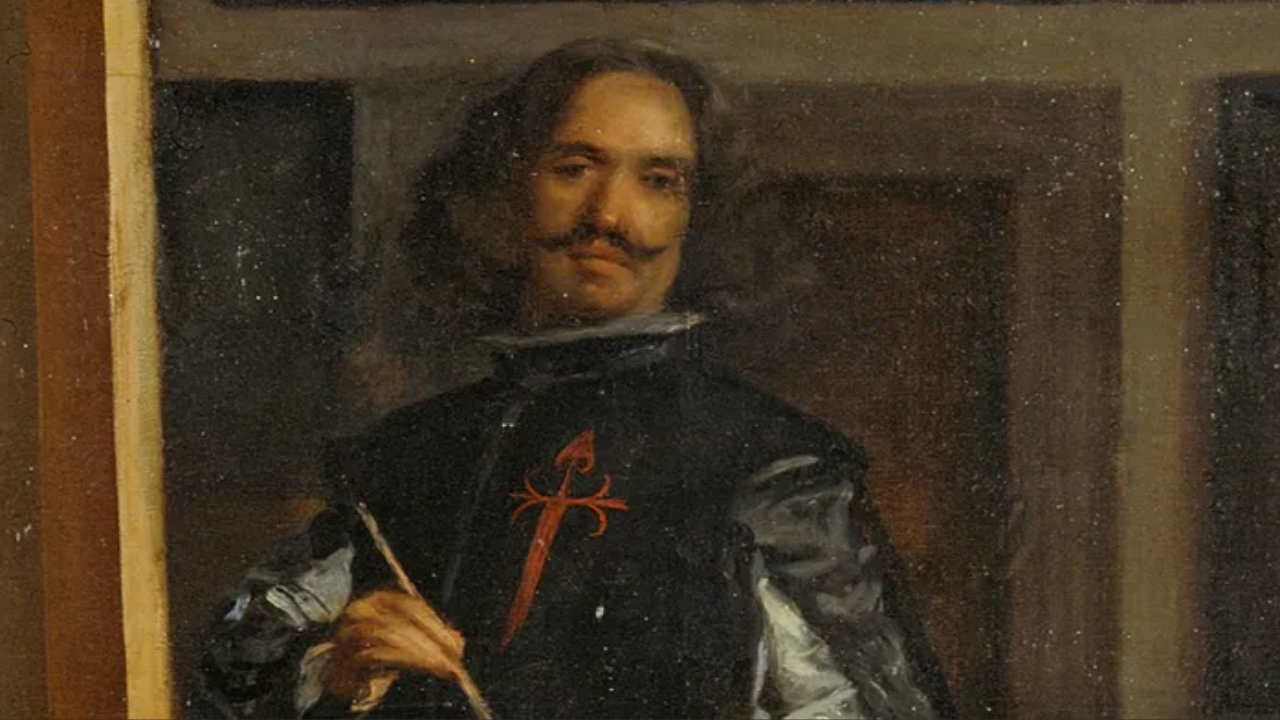
For centuries, art historians knew this specific image of the Count-Duke of Olivares only through a print. The original painting by Diego Velázquez vanished into private hands in Italy long ago, leaving experts to study a 17th-century engraving by Paulus Pontius and Peter Paul Rubens as the closest thing to reality. That changed when the J. Paul Getty Museum officially announced the acquisition of the actual canvas, marking a massive milestone for West Coast art institutions.
If you track fine art acquisitions, you know how rare it is for a premier Spanish Baroque masterwork to suddenly emerge from a private European collection. This particular bust-length portrait measures 60 by 48 centimeters. It shows Gaspar de Guzmán y Pimentel, the powerful prime minister to King Philip IV of Spain, staring down the viewer in gold-trimmed armor and a red sash. For a different view, consider: this related article.
The Mystery Behind the Lost Canvas
How does a priceless painting by one of history's greatest artists stay hidden for generations? The provenance reads like a detective novel. Painted likely in the summer of 1626 as a diplomatic gift for Cardinal Francesco Barberini during his visit to Madrid, the artwork made its way to Italy.
An inventory of the Barberini family collection in Rome from 1631 listed a painting matching this exact description. From there, it drifted into the Coppellotti family collection in Asti, northern Italy, where it remained tucked away through the 20th century. A private collector bought it in 2025 before the Getty swooped in. Further coverage on this trend has been shared by Reuters.
Most people assume major museums buy works directly from public auctions or well-documented estate sales. In reality, discoveries happen when scholars do grassroots archival work. Salvador Salort-Pons, director of the Detroit Institute of Arts and a specialist in 17th-century Spanish art, stumbled upon the unrecorded painting while researching an upcoming exhibition.
Why the Getty Acquisition Matters Now
Until this September 2026 announcement, the Getty Museum didn't hold a single painting by Velázquez in its permanent holdings. For a museum housing world-class European art, that was a glaring hole. Timothy Potts, director of the Getty Museum, called the piece a landmark addition.
Out of roughly 120 surviving paintings by Velázquez worldwide—with about 50 sitting securely in the Museo Nacional del Prado in Madrid—finding a fresh, authenticated original prototype is extraordinary. Davide Gasparotto, senior curator of paintings at the Getty, pointed out that the canvas captures the sitter's personality directly from life, showing Velázquez at his absolute peak.
Technical analysis sealed the deal. Experts found multiple pentimenti—visible changes made directly by the artist on the canvas while working out the composition of the armor and clothing. Copyists don't make compositional changes on the fly; original masters do.
What Happens Next for Viewers
You don't have to wait long to see it in person. The portrait is heading to public display at the Getty Center's East Pavilion in Los Angeles. After its run there, it will pack its bags for Michigan to join the Detroit Institute of Arts exhibition titled Velázquez & Olivares: Early Years at Court, running from January 24 to July 25, 2027.
If you are planning a museum trip over the next year, make sure you put this stop on your itinerary. Check the Getty's official visitor guidelines before heading to the center, and keep an eye on ticket reservations for the upcoming Michigan exhibition slots.