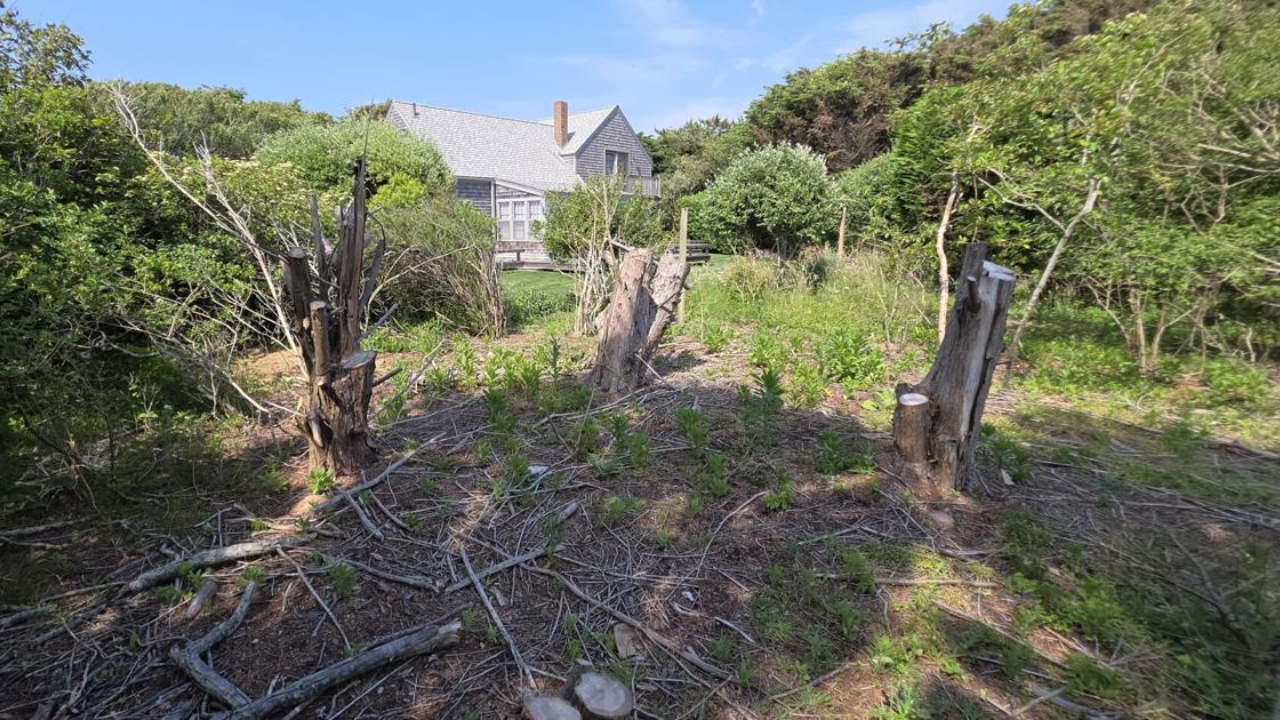
Property lines look clear on paper until a neighbor decides to redraw them with a chainsaw. Most people assume that fighting a hostile neighbor requires hiring a high-priced attorney and bracing for years of financial drain. But one Massachusetts couple flipped that script completely. They took their neighbor to court on their own, won a staggering $310,000 judgment for property encroachments and illegally chopped trees, and successfully defended that win when the case hit the Massachusetts Appeals Court.
If you are dealing with a property line dispute or wondering how far neighborly aggression can legally go, this case offers a masterclass in preparation, state property law, and self-representation. For a deeper dive into this area, we recommend: this related article.
The Breaking Point Behind the 310k Judgment
Land disputes rarely start with a lawsuit. They usually begin with small annoyances—a fence built a few inches too far over, yard waste dumped near a property line, or a disputed hedge. In this Massachusetts case, the friction escalated far beyond minor boundary gripes.
The defendant neighbor altered property boundaries, built unauthorized physical structures that spilled directly onto the couple's private land, and cut down or severely damaged mature trees on the property without permission. For broader context on this issue, in-depth coverage is available on Reuters.
Most homeowners back down at this stage. Legal fees for land surveyors, expert witnesses, and civil litigation attorneys easily mount into tens of thousands of dollars before a trial even begins. Instead of folding or launching into endless shouting matches over the fence, the couple chose a different path. They studied civil procedure, gathered hard physical evidence, and prepared to represent themselves pro se.
Why Massachusetts Timber Trespass Laws Changed Everything
Handling your own court case is risky unless the law heavily backs your position. In this scenario, the homeowners leaned on a powerful statute: Massachusetts General Laws Chapter 242, Section 7.
This specific law governs timber trespass. If someone cuts down, destroys, or carries away trees, timber, or wood on another person's land without a license or legal justification, the court can award treble damages—meaning triple the actual assessed value of the destruction—if the act was willful and intentional.
When the case reached the trial court, the self-represented couple didn't rely on emotional testimony or vague complaints. They brought receipts. They presented:
- Detailed official survey records proving the exact boundary lines.
- Clear photographic evidence of the physical encroachments.
- Professional property and arborist assessments establishing the precise economic value of the ruined trees.
The trial judge reviewed the evidence and ruled decisively in favor of the homeowners. The court found that the neighbor's encroachments were deliberate and that the destruction of the trees was entirely intentional rather than accidental. By combining multi-layered property restoration costs with the statutory triple damages for the destroyed trees, the total judgment climbed to $310,000.
Surviving the Appeals Court Test
Losing a trial rarely stops a disgruntled litigant with deep pockets or stubborn persistence. The neighbor appealed the decision to the Massachusetts Appeals Court, arguing that the trial judge made errors in evaluating the facts and that a $310,000 award was excessive.
This is where many self-represented litigants stumble. Appellate courts do not hold new trials or listen to new evidence; they strictly review whether the trial court followed proper legal procedures and whether reasonable evidence supported the original decision.
The appeals court rejected the neighbor's arguments completely. The appellate panel noted that the trial record contained more than enough solid evidence to support the boundary findings, the willful nature of the damage, and the valuation of the trees. Because the couple followed the rules of evidence and civil procedure meticulously during the initial trial, the appeals court left the $310,000 judgment completely intact.
What Property Owners Can Learn From This Case
Taking on a legal battle without a lawyer is not something to romanticize. Courts hold pro se litigants to the exact same procedural standards as licensed attorneys. A single missed deadline or improperly introduced piece of evidence can sink an entire case.
However, this ruling proves a vital point. When you have objective proof—such as certified land surveys, clear photographs, and explicit statutory laws on your side—you do not necessarily need a legal background to win justice.
If you find yourself facing illegal encroachments or property damage from a difficult neighbor, document everything immediately. Commission a professional survey before taking any action, check your local state statutes regarding property damage and timber trespass, and keep your interactions strictly factual and recorded. Justice is expensive, but preparation is free.