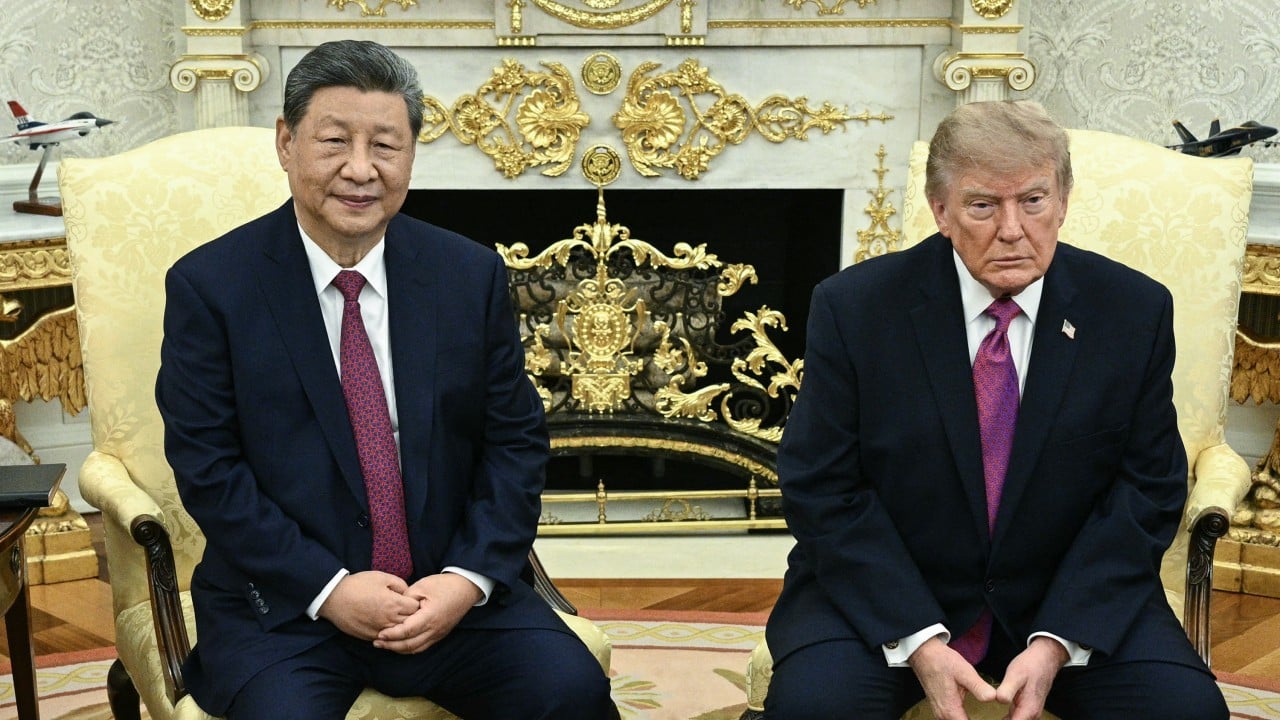
If you expected the recent high-profile Washington summit between Donald Trump and Xi Jinping to solve the deep structural fractures in superpower relations, you probably walked away disappointed. The meeting produced plenty of pageantry, a quick tour of a newly built White House helipad, and a short-term extension of the fragile trade truce until January 10. But behind closed doors, lawmakers and foreign policy analysts are asking a blunt question. Did the summit achieve anything real, or did it just lock in the status quo?
Capitol Hill is divided, and frustration is mounting. Senate Democrats and key congressional committees are scrutinizing the lack of hard deliverables on critical issues like artificial intelligence safety, trade enforcement, and stalled arms packages for Taiwan. When leaders spend ninety minutes talking while the world watches giant state dinners and gift exchanges, substance often takes a backseat to symbolism.
Let's look past the press releases. What actually happened, and why are US lawmakers pushing back against the official narrative?
The Illusion of Breakthroughs on Trade and Tech
The most tangible economic outcome of the summit was a short extension of the existing trade war ceasefire. Markets sighed in temporary relief. But analysts know a brief extension doesn't fix a fundamentally fragile trade relationship. It just buys time while both economic heavyweights prepare for the next round of friction.
Artificial intelligence proved to be an even bigger sticking point. Ahead of the talks, Trump posted on social media that he wanted to leave artificial intelligence development "exactly where it is," signaling little appetite for joint governance frameworks with Beijing. While Chinese state media emphasized the need for mutual oversight, industry insiders recognize that a fierce global tech race makes meaningful bilateral safety treaties nearly impossible to enforce.
Lawmakers on Capitol Hill pointed out the obvious gap between rhetoric and reality. When pageantry overshadows policy, crucial details get dropped.
The Battle Over Taiwan and Stalled Security Packages
Another flashpoint driving congressional scrutiny is the fate of billions in security assistance and pending arms sales to Taiwan. Trump previously put a roughly fourteen billion dollar arms package on hold, calling it a useful negotiating chip.
That move rattled allies across the Indo-Pacific and sparked immediate pushback at home. At least nineteen members of the Senate Democratic caucus signed a statement demanding the immediate delivery of approved funds and military hardware to Taiwan. Xi used the summit to press Trump directly to oppose Taiwan independence and halt future arms shipments.
This creates a high-stakes balancing act. The administration wants to keep economic talks alive, while lawmakers worry that pausing key security commitments signals weakness to Beijing.
Diplotainment Versus Hard Diplomacy
Critics have started calling modern superpower diplomacy "diplotainment." When summits prioritize pandas, state dinners, and architectural tours over rigorous negotiations, long-term strategy suffers. Former diplomats note that sixty-minute or ninety-minute working sessions are simply too short to bridge massive ideological and economic divides.
China continues to urge cooperation, frequently invoking academic warnings about the Thucydides Trap to emphasize the dangers of conflict. Yet, urging cooperation without shifting foundational policies leaves both nations trapped in a cycle of managed competition. Neither side wants an outright economic crash, but neither side is willing to make the painful concessions required for genuine peace.
What Comes Next for the Superpower Rift
If you are tracking where this relationship goes next, stop looking at high-level photo ops. Watch what happens behind the scenes in congressional committees and supply chain boardrooms.
- Keep an eye on the January 10 trade truce deadline to see if temporary extensions turn into permanent policy or collapse entirely.
- Monitor legislative pressure regarding the delayed Taiwan security packages, which will test the limits of executive power over foreign arms sales.
- Watch how domestic regulatory agencies handle the friction between commercial artificial intelligence advancement and national security safeguards.
The status quo remains firmly in place because neither Washington nor Beijing has an incentive to upend it right now. But a fragile standstill is a long way from stability.