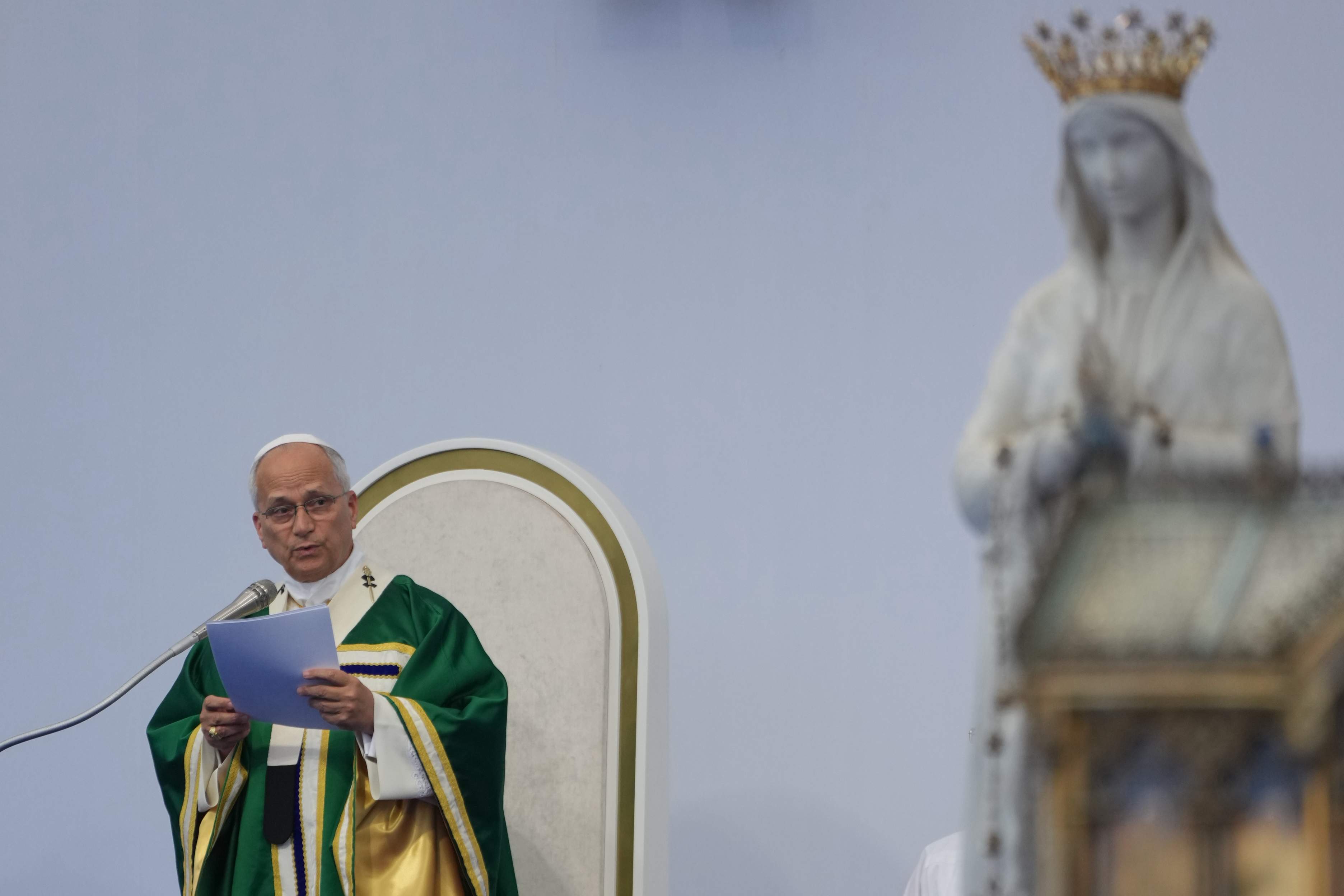
We love telling other people how to die. From ivory towers and golden thrones, religious authorities look down on human agony and call it a test of faith. Pope Leo recently joined this chorus, labeling medically-assisted dying as a form of false compassion. It is easy to issue moral pronouncements when you are not the one gasping for breath or trapped in a body ravaged by terminal illness.
The debate surrounding medical assistance in dying, known globally as MAID, exposes a deep chasm between rigid dogma and the messy, brutal reality of human suffering. When a person faces an untreatable condition marked by unrelenting pain, the choice to end things on their own terms isn't a failure of morality. It is often the final assertion of personal dignity.
The Privilege of Judging Pain
Religious opposition to assisted dying usually relies on abstract principles. Life is sacred, the argument goes, and suffering has redemptive value. That sounds profound during a Sunday sermon. It sounds hollow and cruel when you are sitting in a palliative care ward watching someone wither away in agony despite maximum doses of morphine.
Nobody wakes up wanting to end their life lightly. The process of accessing assisted dying involves rigorous medical evaluations, mental capacity checks, and agonizing personal reflection. Bureaucratic red tape already guards these decisions fiercely. Characterizing this option as an easy way out ignores the psychological toll it takes on patients and their families.
Institutions that have spent centuries enforcing arbitrary rules rarely understand individual autonomy. They view human existence through a lens of collective compliance. If you choose to exit early, you disrupt their narrative about divine orchestration.
Where Public Policy Falls Short
Valid criticisms of assisted dying do exist, but they have nothing to do with theology. Real concerns center on systemic failures within healthcare infrastructure. When palliative care is underfunded and long-term care facilities are understaffed, vulnerable people might lean toward assisted dying simply because proper care costs too much or takes too long to secure.
That is a policy failure, not a moral crisis inherent to the procedure itself. Fixing that problem requires pouring resources into public health, social safety nets, and mental health support. Shaming individuals who choose a peaceful release does nothing to improve healthcare access. It just shifts the burden back onto the shoulders of the suffering.
Reclaiming Autonomy at the End of Life
We grant animals a merciful end when their bodies fail them, yet we force human beings to endure endless suffering just to satisfy institutional comfort zones. That double standard makes no sense.
Real compassion means listening to what people actually need instead of imposing ancient doctrines onto modern medical realities. If someone chooses to close their eyes with dignity rather than drag out a painful exit, that decision belongs to them alone. The Vatican can keep its judgment. The rest of us need to focus on empathy that actually helps people live and die on their own terms.