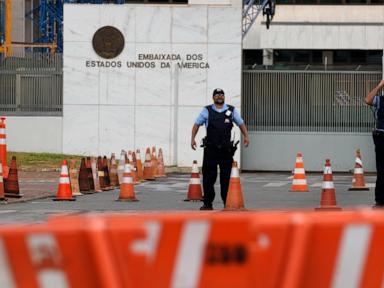
Elections in Latin America's largest democracy rarely happen quietly. This time, the tension spiked so high that foreign governments locked their doors. The United States and Australia suspended consular services across Brazil, citing sudden security threats just two days before a high-stakes presidential vote.
If you are a traveler or expat caught in the middle of this diplomatic scramble, you know how fast things change. Let's break down why these closures happened, what it means for people on the ground, and how to protect yourself when diplomatic missions pull back.
What Triggered the Sudden Closures
Security alerts from major embassies do not get issued on a whim. The US mission announced that its embassy, consulates, and diplomatic facilities would halt standard operations and emergency walk-in services. Australia followed suit almost immediately, closing its embassy operations and advising citizens to steer clear of American diplomatic outposts entirely.
The catalyst is a bitterly polarized presidential election. Incumbent leftist President Luiz Inácio Lula da Silva is facing right-wing Senator Flávio Bolsonaro, the son of former President Jair Bolsonaro. With political tensions near a boiling point and international attention focused tightly on the outcome, diplomatic missions opted for a defensive posture.
When foreign ministries pull staff back, it usually means intelligence indicates a credible risk of civil unrest, protests, or targeted security incidents around voting centers.
The Broader Geopolitical Backdrop
This is not happening in a vacuum. External pressures are colliding with local political volatility. United States President Donald Trump, a prominent ally of the Bolsonaro family, has made comments indicating Washington is watching the race with intense scrutiny. That external interest amplifies local sensitivities, turning routine diplomatic facilities into potential lightning rods for protests or unrest.
Brazil's political landscape has been unstable for years. Former President Jair Bolsonaro is currently serving a prison sentence for attempting a coup, yet his political movement remains a massive force. Pitting Lula against a Bolsonaro heir guarantees a razor-thin margin, a passionate electorate, and a high probability of contested results.
What This Means for Travelers and Expats
Governments closing embassies leave their citizens with limited local support. If you need emergency passport replacement, legal assistance, or evacuation guidance during a shutdown, you are largely on your own until normal operations resume.
Here is what you should do right now if you are in Brazil:
- Stay away from political rallies, campaign headquarters, and large public demonstrations.
- Keep your identification, digital copies of important documents, and emergency cash secured in your accommodation.
- Monitor local news and embassy update channels closely rather than relying on social media rumors.
- Avoid traveling between cities on election day unless completely necessary, as highway disruptions and localized protests are common.
Diplomatic closures rarely last forever. Most missions plan to reopen once the initial voting phase concludes and the immediate post-election security posture stabilizes. If Sunday's vote heads toward a runoff scheduled for later in the month, expect similar security precautions to return. Keep your emergency contacts updated and stay alert.