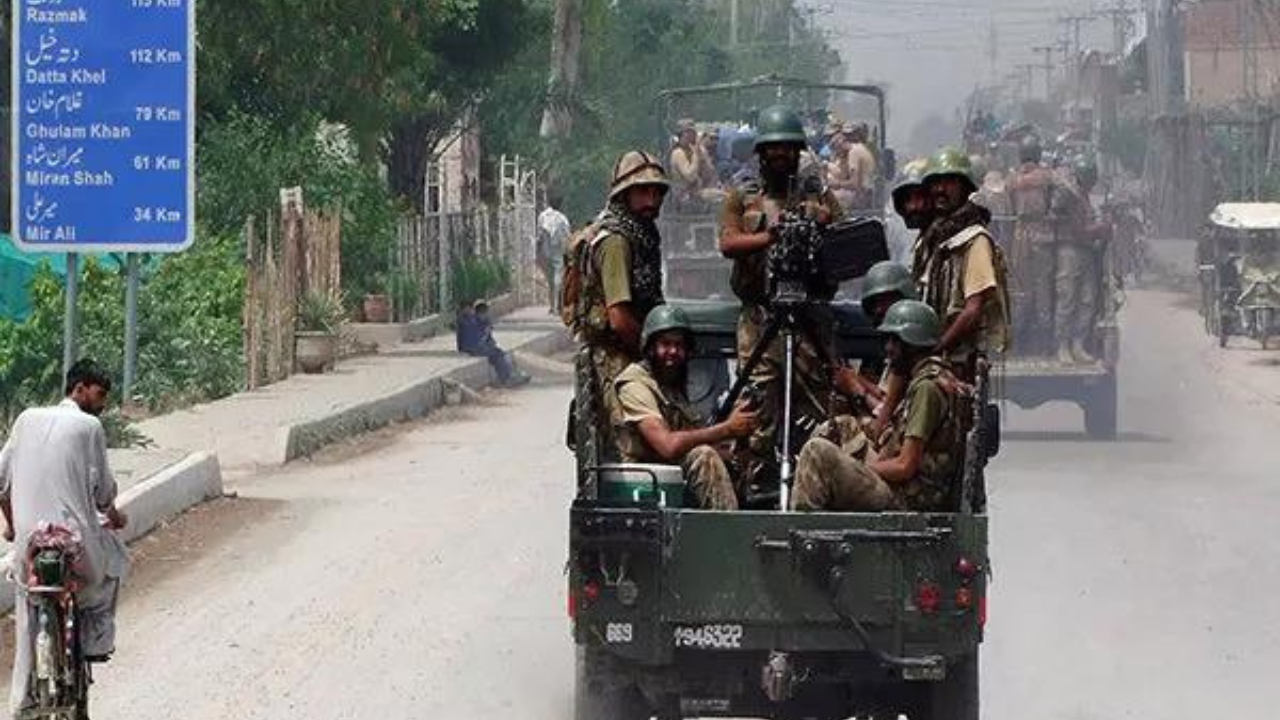
Another firefight in North Waziristan left seven Tehreek-e-Taliban Pakistan militants dead. It's a grim routine that plays out week after week along the rugged frontier. But behind these tactical updates lies a escalating security crisis that refuses to cool down.
If you look past the official press releases, the reality on the ground in Khyber Pakhtunkhwa is far more complex than a simple clash between state forces and insurgent groups. Border security is fracturing. Local communities are caught in the crossfire. And the diplomatic standoff between Islamabad and Kabul over militant safe havens remains completely deadlocked.
The Ground Reality in North Waziristan
Security forces launched an intelligence-based operation in the Eidak area of North Waziristan district. They eliminated seven TTP fighters and destroyed multiple hideouts. This action fell under the government's Azm-e-Istehkam framework, a sweeping security initiative designed to root out armed groups.
Yet, tactical victories haven't translated into strategic stability. Khyber Pakhtunkhwa remains the primary epicenter for insurgent violence in Pakistan. Data from independent research bodies like the Centre for Research and Security Studies highlights a staggering concentration of casualties in this province and neighboring Balochistan. Together, these two border regions account for the vast majority of militant-related incidents nationwide.
The TTP officially scrapped its ceasefire with the government back in November 2022. Since then, the group has systematically escalated its campaign. They don't just target military checkpoints anymore. They hit paramilitary convoys with roadside bombs, execute urban suicide bombings, and challenge state authority in remote districts like Kurram.
Why Cross-Border Dynamics Keep Fueling the Conflict
Geography dictates strategy. The porous border separating Pakistan and Afghanistan has always been difficult to patrol. Islamabad maintains that TTP commanders operate freely from sanctuaries across the Durand Line, using Afghan soil to train fighters, coordinate logistics, and plan attacks.
Kabul denies these accusations consistently. They argue that Pakistan's security woes stem from domestic governance failures and counterterrorism policies that have backfired over decades. This blame game has paralyzed meaningful cooperation.
Meanwhile, the human cost mounts. Paramilitary forces face ambushes while transit routes turn into combat zones. Intelligence-based sweeps disrupt immediate threats, but they treat symptoms rather than the root cause.
What Comes Next for Pakistan Counterterrorism
Military operations like those in Eidak will continue. The state cannot afford to cede territory or tolerate armed challenges to its sovereignty. However, force alone won't close the gap.
Without a working diplomatic mechanism between Islamabad and Kabul to address cross-border infiltration, tactical gains will remain temporary. Insurgents simply retreat, regroup, and wait for the next opening. Security planners need a sustainable framework that addresses border management, intelligence sharing, and regional diplomacy. Until that happens, the violence along the Afghan border will keep claiming lives.