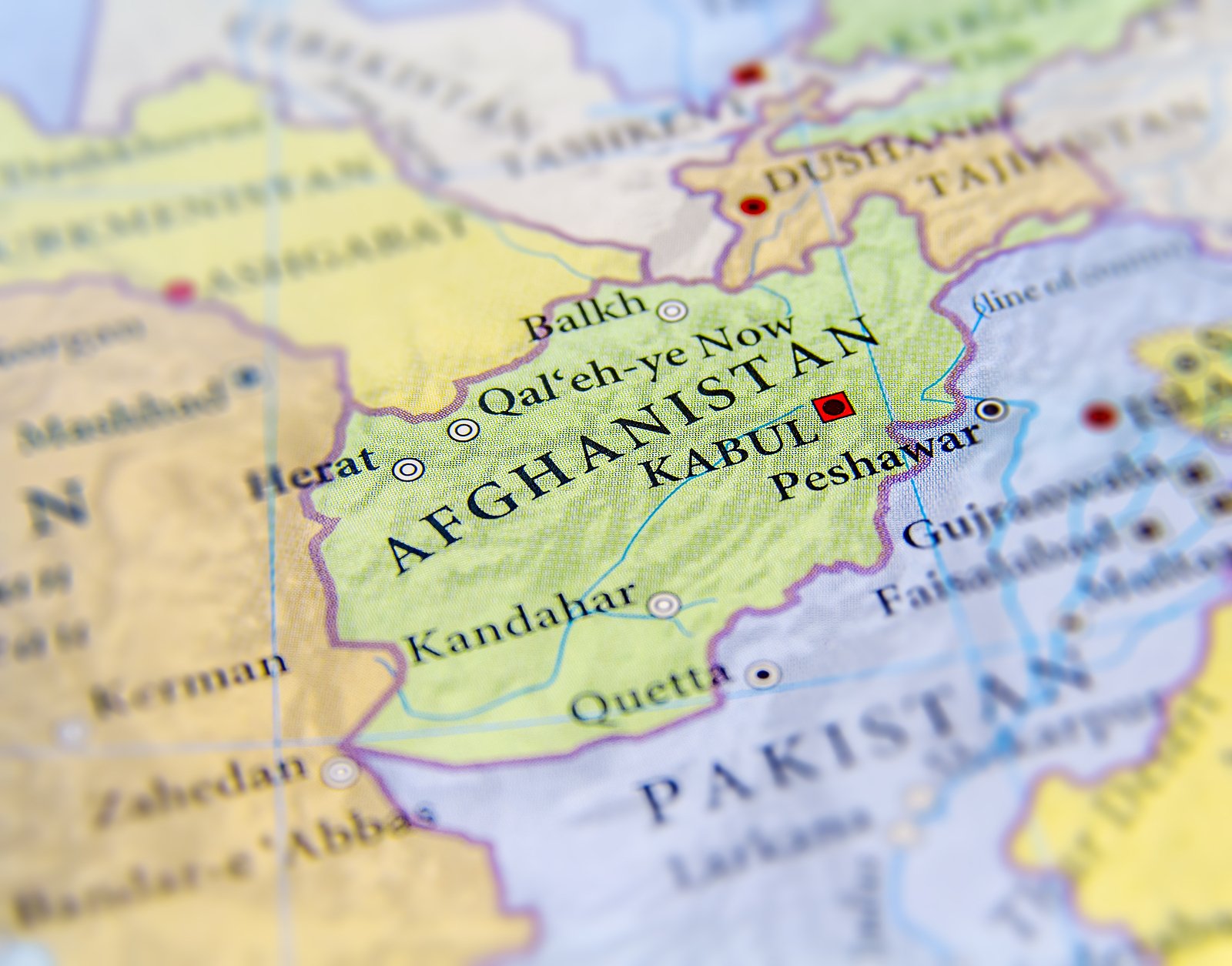
Cross-border violence between Pakistan and Afghanistan is spinning out of control. Recent air strikes in Kunar and Helmand provinces underscore a dangerous deterioration in bilateral relations. Islamabad claims its armed forces successfully neutralized twenty-two fighters belonging to militant networks. Meanwhile, Kabul reports a very different reality. Afghan officials state that the strikes flattened civilian homes and killed nine innocent women and children.
When two neighboring states trade fierce accusations over military casualties and civilian deaths, nobody wins. You need to understand the deeper geopolitical friction driving these air raids, why cross-border militant sanctuaries remain an intractable headache, and what this ongoing hostility means for regional stability. Meanwhile, you can find similar events here: Why Hong Kong Needs Specialized Foreign Carers Right Now.
The Spark Behind the Kunar and Helmand Air Strikes
Tensions between Islamabad and Kabul didn't happen overnight. For months, Pakistan has argued that armed groups—most notably the Tehrik-i-Taliban Pakistan (TTP)—use Afghan soil as a safe haven to stage devastating attacks across the border. Pakistani security officials point to rising domestic casualties, suicide bombings, and military losses as justification for direct kinetic action.
Kabul rejects these claims outright. The Afghan government maintains that it does not harbor foreign militants and insists that Pakistani air strikes deliberately target residential structures instead of insurgent hideouts. Zabihullah Mujahid, the chief government spokesman, publicly condemned the late-night bombings in Kunar and Helmand as a direct aggression and a blatant violation of sovereign principles. To see the bigger picture, we recommend the recent report by TIME.
Independent verification remains nearly impossible. Both capitals push competing narratives designed to rally domestic support and control the international messaging.
Why the Border Region Remains a Powder Keg
Geography makes the Durand Line an absolute nightmare to secure. Rugged mountains, porous tracks, and remote valleys allow armed actors to slip back and forth with ease.
Pakistan has spent billions fencing major sections of the frontier and fortifying checkpoints. Yet, fencing a jagged mountain range won't stop determined fighters or halt cross-border rocket fire. Every time a major attack occurs inside Pakistani territory, Islamabad pressures Kabul to crack down. When Kabul fails or refuses to meet these stringent demands, Pakistan resorts to air power.
This retaliatory cycle creates a predictable pattern:
- A high-profile militant attack hits a Pakistani target.
- Islamabad issues stern warnings and demands extradition or crackdowns.
- Pakistani jets launch overnight air raids into Afghan border provinces.
- Kabul condemns civilian casualties and accuses Pakistan of violating sovereignty.
The Human Cost of Geopolitical Deadlock
Geopolitics rarely captures the sheer terror experienced by families living near the border. When warplanes streak across the night sky in Kunar or Helmand, ordinary villagers pay the highest price.
Local reports indicate that several mud-brick homes collapsed under the impact of the recent strikes, trapping women and children beneath the rubble. For communities already exhausted by decades of war, economic collapse, and humanitarian crises, these military operations add fresh layers of trauma.
Neither government appears willing to compromise. Islamabad feels abandoned in its fight against the TTP, while Kabul views any foreign military strike on its territory as an existential insult to its newly restored sovereignty.
What Comes Next for Islamabad and Kabul
Diplomatic channels are currently frozen solid. Trust has eroded to near-zero levels. Without third-party mediation or a genuine willingness from both sides to establish joint border monitoring mechanisms, these air raids will continue.
Watch for further military posturing along the frontier. If cross-border militant attacks persist inside Pakistan, expect Islamabad to authorize more air strikes, driving the two neighbors closer to open confrontation. The regional fallout will affect trade routes, refugee stability, and security across South Asia.
Keep a close eye on diplomatic maneuvers from regional heavyweights like China and Qatar, who may attempt to step in and broker a fragile ceasefire before the situation deteriorates further.