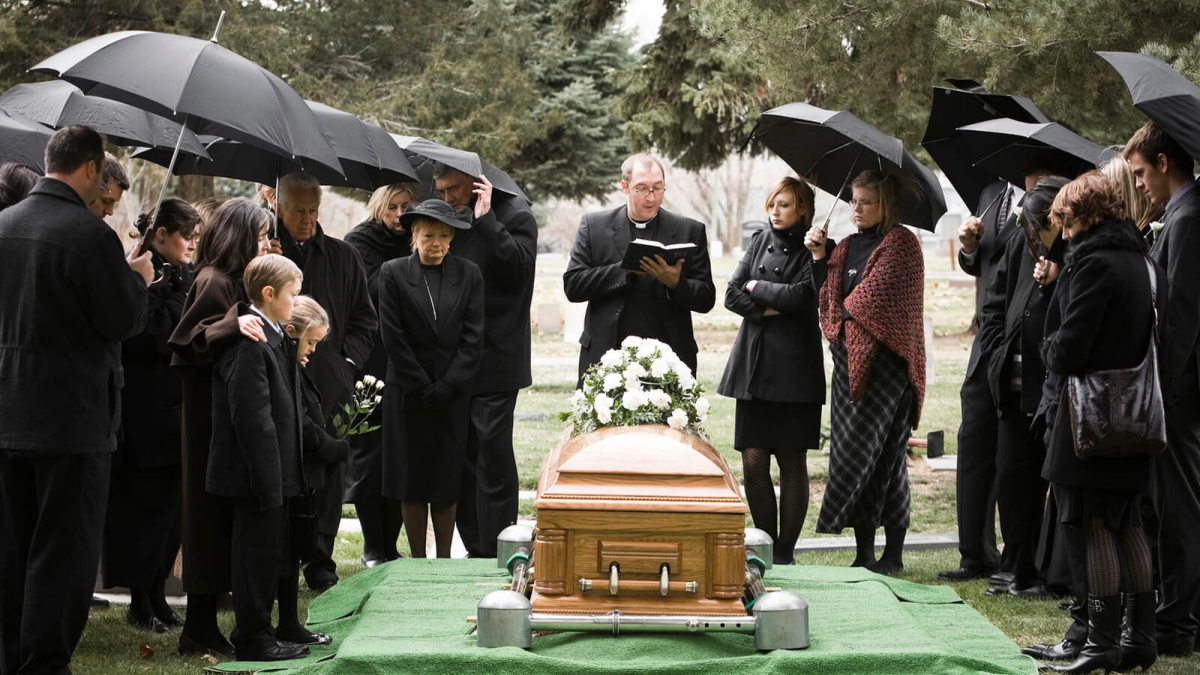
Mourners gathered in Butembo to bury Marie-Celestin Karondwa, but his funeral was more than a final farewell. It was a flashing red light for a public health system collapsing under the weight of violence, fear, and deep-seated mistrust. Karondwa, a senior member of the Democratic Republic of the Congo's ruling party, didn't die of the virus. He was beaten to death at his home after daring to walk into a local radio station and defend the government's Ebola response. His house was burned to the ground.
When fighting a deadly pathogen becomes a fatal political act, you aren't just dealing with a medical emergency. You're facing a total breakdown of social trust.
The Deadly Clash Between Public Health and Public Fear
Eastern DR Congo has long been a dangerous theater for health workers. Decades of armed conflict, weak infrastructure, and historical skepticism toward central authorities have created a breeding ground for dangerous conspiracy theories. When outbreaks hit, medical personnel face community resistance, ambushes, and burned treatment centers.
Karondwa tried to bridge that gap. By using a public radio platform to promote preventative health measures and push back against dangerous rumors, he stepped into the crosshairs of a volatile community tension. His assassination in Butembo—an active Ebola hotspot—shows that public health advocates in the region are navigating a literal war zone where simply speaking the truth can cost you your life.
World Health Organization Director-General Tedros Adhanom Ghebreyesus has repeatedly warned that eastern Congo faces a catastrophic collision of disease and armed conflict. Yet, international headlines often treat these events as isolated security incidents rather than systemic failures.
Why Traditional Messaging Fails on the Ground
If you've never worked on the ground during a severe epidemic, it's easy to assume that people will naturally follow medical advice to save their lives. That mindset is naive. When communities feel abandoned, marginalized, or terrorized by continuous violence, official health guidelines are often viewed with extreme suspicion.
Governments and international aid organizations frequently make the mistake of deploying top-down messaging. They issue press releases, broadcast sterile safety guidelines, and expect compliance. They fail to understand local power dynamics.
Karondwa's local approach—engaging directly through community radio—was the right strategy on paper, but it proved fatal because the underlying anger was too volatile to absorb. When trusted community figures are killed for aligning with public health initiatives, ordinary citizens get a chilling message: stay silent or share his fate.
What Needs to Change Right Now
Protecting healthcare workers and local advocates requires a complete overhaul of how outbreak responses are managed in conflict zones. You cannot separate disease control from security and community engagement.
- Local Integration: Health directives must be co-designed with trusted community elders, religious leaders, and grassroots voices rather than imposed by distant bureaucrats.
- Security for Advocates: Anyone speaking publicly or working on the frontlines needs active protection, not just empty condolences after tragedy strikes.
- Addressing Grievances: Authorities must acknowledge the legitimate economic and security frustrations of local populations instead of writing off all resistance as mere ignorance.
Until international agencies and local governments treat community trust as a vital medical supply, health workers and local leaders will continue to pay with their lives. Karondwa’s death isn't just a grim statistic in a prolonged epidemic. It's a warning that until you fix the root causes of fear and conflict, no vaccine or treatment center will ever be enough.