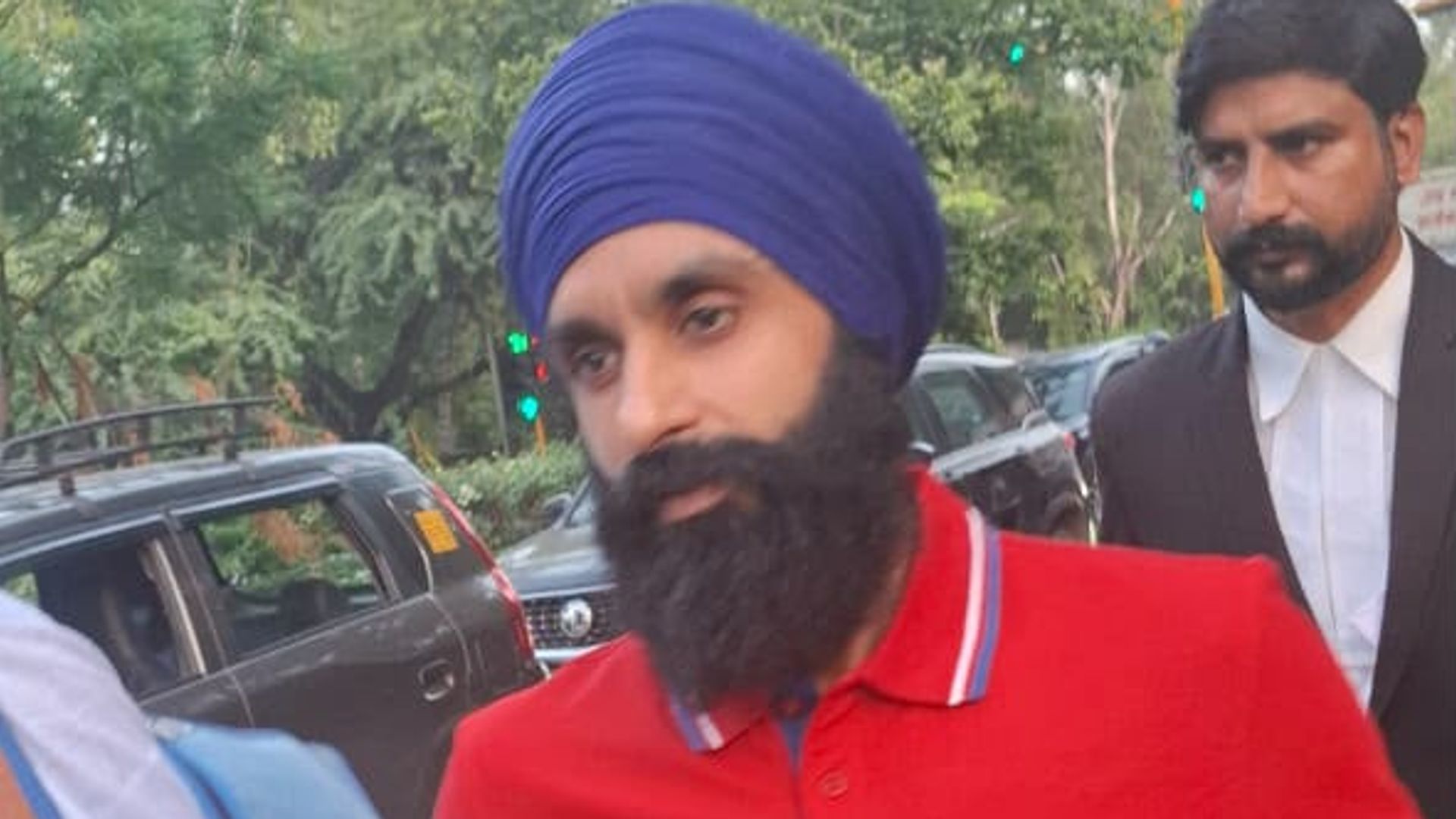
Nearly a decade behind bars without a conviction changes a person. It drains families, tests international diplomacy, and drags human rights into the harsh glare of geopolitical reality. Jagtar Singh Johal walked out of Delhi's Tihar Prison, stepping into a world he hasn't truly seen since 2017.
If you've followed this case, you know the broad strokes. A Scottish blogger from Dumbarton travels to Punjab for his wedding, gets bundled into an unmarked vehicle by plainclothes officers, and vanishes into the Indian penal system. Indian authorities accused him of involvement in targeted killings linked to militant groups. Johal and his legal team, backed by human rights charity Reprieve, have consistently maintained his innocence, alleging he was tortured into signing confessions.
Now, after almost nine years, an Indian court has granted him bail. But don't mistake this for total freedom.
The Reality Behind the Bail Order
Bail sounds like a happy ending in fiction. In reality, it's often just a different cage.
Legal experts point out that Johal's bail conditions are deeply restrictive, leaving him far from a normal life. The threat of severe charges remains hanging over his head like a sword. He was acquitted of one terrorism-linked charge back in March 2025, yet his broader trial crawls on at a glacial pace.
Think about what that means. Nine years of pre-trial detention. That is longer than many sentences handed down for actual crimes. Human rights advocates have spent years calling out the weaponization of prolonged pre-trial detention in high-profile cases. When a state can lock someone up for nearly a decade before proving guilt, the process itself becomes the punishment.
Politicians in Scotland and across the UK have welcomed the news, with family members expressing profound relief. Yet, the campaign won't stop until he boards a flight home to Dumbarton. Dan Dolan from Reprieve put it bluntly: the fight continues tomorrow morning.
Why This Case Matters Beyond One Man
This isn't just a local Scottish news story. It's a glaring test case for how Western democracies handle citizens detained abroad in politically sensitive circumstances.
For years, critics accused successive UK governments of moving too slowly, prioritizing lucrative trade deals with New Delhi over the liberty of a British citizen. Campaigns led by his brother, Gurpreet Singh Johal, forced the issue into the public consciousness through relentless lobbying and community activism.
When consular diplomacy feels sluggish, families are forced to become campaign managers. They have to learn international law, deal with media cycles, and keep pressure on politicians who would rather look away. That grassroots endurance is the only reason Jagtar's name stayed on the front pages.
What Happens Next
Walking out of gate three of the Tihar Prison complex is a monumental moment, but the legal labyrinth is far from over. Johal must navigate strict local restrictions while his legal team prepares for the next phase of court appearances.
The ultimate goal remains a full acquittal and a return to Scotland. Until then, every court date is a hurdle, and every restriction is a reminder of the lost years.
If you want to support advocacy efforts for individuals trapped in similar overseas detentions, look toward established legal defense organizations like Reprieve. Staying informed and keeping pressure on elected officials is how cases like this finally move forward.