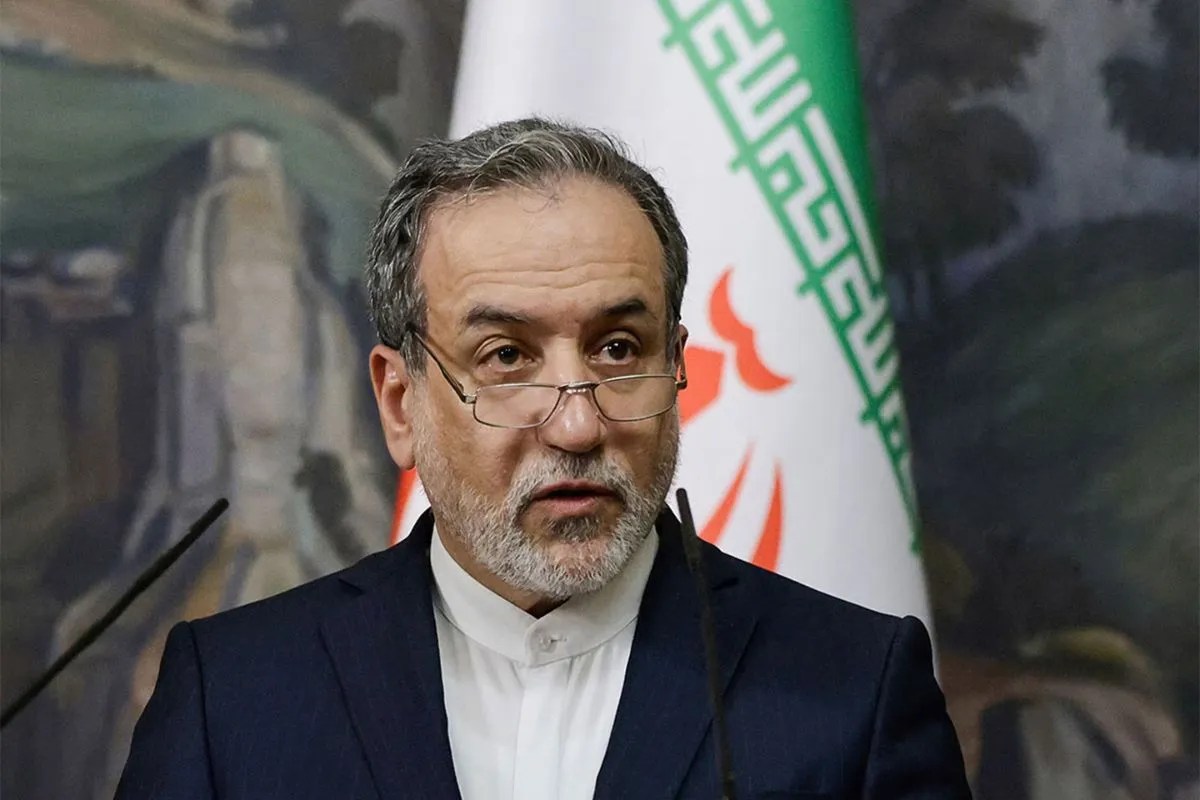
Tensions between Washington and Tehran are hanging by a razor-thin thread again. If you think this is just another diplomatic shouting match, you're missing the bigger picture. Iranian Foreign Minister Abbas Araghchi recently laid out a dual strategy that caught international analysts off guard. Tehran is signaling it's fully ready for a catastrophic military clash while keeping a cracked window open for backchannel talks.
At the absolute center of this volatile standoff sits the Strait of Hormuz. It's not just a narrow channel of water on a map. It's the jugular vein of global energy supplies. When Iranian officials hint at closing or restricting this route, global markets panic for a very good reason.
Let's break down what's actually happening behind closed doors and why this crisis demands your attention.
The Reality Behind the Double Sided Message
Diplomacy in the Middle East rarely follows a straight line. When top officials say they are ready for war while simultaneously picking up the phone, they aren't confused. They're playing a high-stakes game of deterrence.
Araghchi's recent statements point to a deliberate posture. Tehran wants Washington and its regional allies to know that any miscalculation will trigger a severe military response. At the same time, domestic economic pressures inside Iran make prolonged conflict an absolute nightmare for the ruling government.
You see, sanctions have bitten hard. The local currency struggles, inflation runs wild, and public discontent simmers just beneath the surface.
"Preparation for war is a defensive shield, but keeping dialogue alive is the only way to prevent total economic collapse."
This dual approach lets leadership save face at home while testing whether the White House has any appetite for renewed nuclear or regional negotiations. But deterrence is fragile. One stray drone, one misidentified tanker, or one panicked commander in the Persian Gulf can shatter the illusion of control.
Why the Strait of Hormuz Choke Point Terrifies Economists
If you want to understand why global leaders are sweating over the Iran US war rhetoric, look at a shipping map. Roughly a fifth of the world's petroleum consumption passes through the Strait of Hormuz every single day.
Tankers loaded with crude from Saudi Arabia, the UAE, Kuwait, and Iraq have to squeeze through a channel barely twenty-one miles wide at its narrowest point. Iranian military forces control the northern coastline of this passage.
- Oil prices would skyrocket within hours of a closure.
- Global supply chains would face immediate disruptions.
- Asian economies heavily dependent on Gulf energy imports would panic first.
Closing the strait is the ultimate economic nuclear option for Tehran. It's a weapon of mass financial destruction. While executing it would invite a massive US military retaliation, the mere threat of choking off the flow of crude gives Iran immense leverage at the negotiating table.
Decoding US Strategy and Regional Calculations
Washington isn't sitting idle while Tehran dictates the terms of the maritime standoff. The Pentagon maintains a heavy carrier strike group presence in the region precisely to keep the shipping lanes open.
American strategy relies on maintaining freedom of navigation at all costs. International law backs this up, but legal treaties don't stop anti-ship missiles or fast attack boats.
Regional players like Saudi Arabia and the UAE find themselves caught in the middle. They've spent the last couple of years trying to de-escalate tensions with their neighbor across the Gulf. They know that a full-scale kinetic conflict won't stay localized. Missiles and drones don't respect national borders when a regional war breaks out.
Every capital in the Middle East is currently hedging its bets. They are talking to Washington about security guarantees while keeping communication lines open with Tehran to ensure their own oil facilities don't become primary targets.
What This Means for Global Markets and You
Geopolitical crises thousands of miles away usually feel abstract until they hit your wallet. This one moves fast. Energy markets price in the risk of conflict long before the first shot is ever fired.
When Middle Eastern tensions spike, crude oil futures jump. Higher oil prices translate directly into painful spikes at the gas pump. That feeds right back into consumer inflation, pushing central banks to keep interest rates higher for longer.
You don't need a degree in international relations to feel the shockwaves. Supply chain bottlenecks ripple outward from the Persian Gulf, affecting manufacturing, shipping costs, and investor confidence worldwide.
Pay close attention to naval movements in the Gulf and emergency diplomatic summits over the coming weeks. The line between calculated posturing and accidental war is dangerously thin, and nobody can afford to look away.