Energy markets just took another violent hit. The G7 announced a coordinated release of 100 million barrels of petroleum products from strategic reserves over the next four months, with a heavy focus on diesel. Behind this sudden emergency action? Relentless political pressure from Washington.
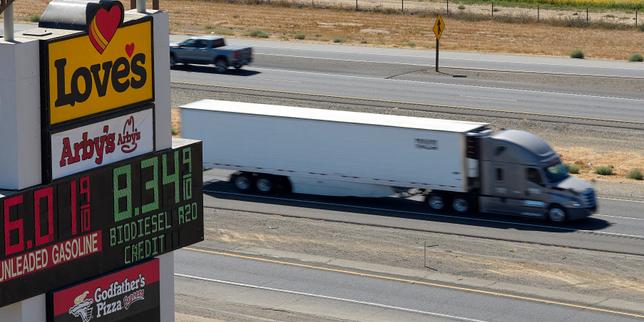
If you are wondering why global leaders suddenly scrambled to unlock state reserves, look no further than the looming November midterm elections in the United States and soaring fuel costs. Diesel prices recently skyrocketed past six dollars a gallon in America, heavily hurting President Donald Trump's approval ratings. Facing an economic backlash over surging inflation driven by ongoing conflicts in the Middle East and Ukraine, the White House issued an aggressive ultimatum to European allies. For another view, see: this related article.
The threat was direct: unlock massive domestic diesel stocks or face strict export bans on American petroleum products heading to Europe.
The Pressure Behind the Emergency Release
Negotiations moved at breakneck speed. French President Emmanuel Macron, holding the current G7 presidency, organized an emergency videoconference alongside the International Energy Agency. The goal was to find a unified response before market panic escalated further. Similar coverage on the subject has been provided by USA Today.
Donald Trump didn't wait for official diplomatic communiqués to take credit. He jumped straight onto Truth Social to announce the breakthrough. "Europe has just agreed to release a massive amount of their heavily stocked Diesel Oil," Trump posted. "The process will begin immediately."
This marks a significant diplomatic win for Washington, but it exposes deep vulnerabilities in European energy security. Countries like France, Germany, and the UK are dipping into emergency reserves that were originally designed for catastrophic supply shocks, not political band-aids ahead of an election cycle.
What This Means for Global Energy Markets
Releasing 100 million barrels sounds massive on paper. In reality, it represents a temporary bandage on a bleeding structural wound. Global oil shipments have faced severe disruptions, particularly with critical shipping bottlenecks like the Strait of Hormuz facing severe geopolitical tensions. Middle Eastern and Ukrainian supply lines, which historically account for roughly a third of global diesel exports, remain heavily constrained.
Analysts point out that reserve releases offer short-term relief without fixing the root cause of the crisis. Refineries are stretched thin, transport costs have exploded, and structural supply deficits persist. As soon as those 100 million barrels are absorbed by the market, traders will face the exact same supply cliffs unless geopolitical flashpoints cool down.
The Real Cost of Short-Term Fixes
Governments are scrambling to calm angry consumers at the pump. In Europe, leaders also agreed to look closely at shrinking refinery margins and lowering transport costs to keep prices manageable. But relying on strategic reserves to steer domestic electoral outcomes sets a dangerous precedent.
When emergency stockpiles are treated like flexible political tools, nations lose their primary insurance policy against actual physical supply catastrophes. Markets reacted immediately, with crude prices dipping as traders digested the news, but volatility remains the only guarantee in today's energy landscape.
Keep a close eye on diesel inventories over the next twenty days as the first substantial wave of reserves hits the market. If prices don't stabilize quickly, expect Washington to push for even deeper releases before voters head to the polls.