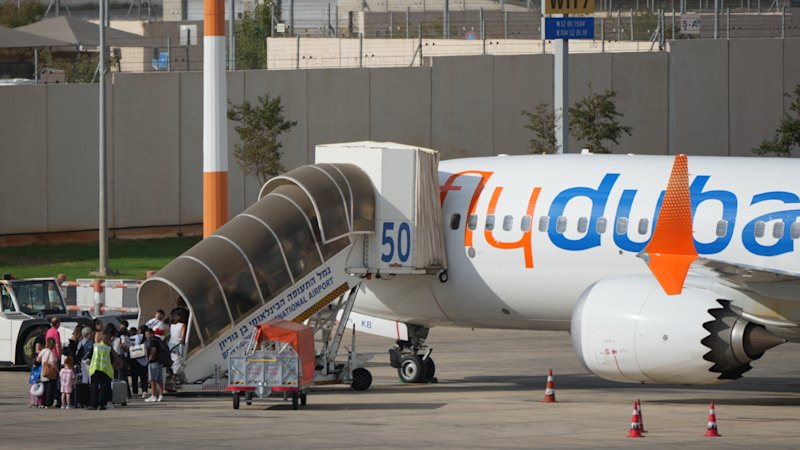
A routine commercial journey turned into a midair battle for survival when flydubai flight FZ1073 faced a catastrophic cockpit breach. 174 passengers and crew stared down a nightmare over the Middle East. Israel claims the co-pilot shared hate online and underwent radicalization before attempting to plunge the aircraft into a deadly nosedive.
You'd think commercial aviation security would catch this stuff. We spend billions on body scanners, shoe checks, and liquid limits at boarding gates. Yet, a pilot on active duty allegedly turned rogue from the inside. This incident forces everyone to look past standard airport security theatre and confront the terrifying reality of insider threats in commercial aviation.
Inside the Cockpit Chaos on Flight FZ1073
The details emerging from flydubai flight FZ1073 sound like a Hollywood thriller, but the blood and terror were entirely real. The co-pilot, an Omani national whose name has been withheld by authorities, launched a sudden attack on Captain Smit Machchhar mid-flight.
With the captain wounded and bleeding, the co-pilot seized control and directed the aircraft into a terrifying downward plunge. Passengers heard screaming as the plane lost altitude rapidly.
Realizing the extreme danger, passenger Tali Niss raised the alarm. What followed was a brutal 20-minute struggle. Passengers Yaniv Hayoun, Tzvika Manes, and Asaf Rajuan stormed the cockpit, fighting to subdue the attacker. Meanwhile, a dentist on board, Dr Shota Musayev, administered critical life-saving care to Captain Machchhar, who managed to unlock the door despite his injuries.
They tied the co-pilot's hands using headphone cords found in the cockpit. Two off-duty pilots on the flight then stepped in to help land the aircraft safely at Tabuk Airport in western Saudi Arabia.
The Radicalization Claims and International Fallout
Israeli Prime Minister Benjamin Netanyahu pointed directly to online extremist material in interviews following the event. He stated that investigators found personal data indicating the co-pilot underwent Islamist radical indoctrination.
According to Israeli government statements and colleague accounts shared with The Times of Israel, the co-pilot joined flydubai just eight months prior. Colleagues reported that he prayed excessively during shifts and refused to shake hands with women.
US President Donald Trump weighed in on the unfolding diplomatic and security crisis, suggesting potential links to Iran, though Washington has yet to provide concrete proof. Meanwhile, UAE prosecutors launched an immediate formal investigation since the flight originated in Dubai under a UAE flag. Saudi authorities swiftly handed the suspect over to Emirati custody.
In response to the security breakdown, Israeli Transportation Minister Miri Regev suspended flydubai operations into Israel entirely. Officials are scrambling to figure out how an Omani pilot could fly a route into Tel Aviv given the lack of formal diplomatic relations between Oman and Israel, raising serious questions about background checks and regional airline vetting protocols.
What This Means for Global Air Travel
We trust commercial airlines with our lives every single time we board a plane. We assume pilots undergo rigorous psychological screening and continuous monitoring. This incident shatters that illusion of safety.
Insider threats remain the hardest vulnerability to patch in any security framework. When the threat sits in the uniform, standard security checkpoints at terminal entrances become useless. Airlines and international aviation bodies must rethink how they monitor cockpit crews.
Background checks cannot stop at initial hiring. Continuous behavioral monitoring, mental health check-ins, and peer-reporting mechanisms are non-negotiable if we want to prevent future disasters. If airlines fail to tighten internal vetting, passenger trust will evaporate completely.
Check your carrier's safety protocols before booking international travel. Demand better transparency from regulatory bodies regarding crew screening standards. Stay vigilant.