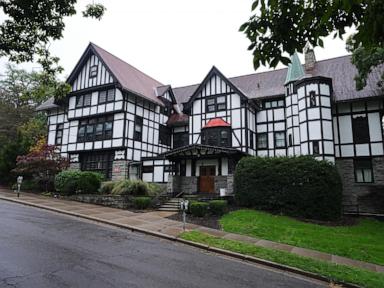
When a university disciplinary report reveals a survivor stating she felt like "bait" surrounded by "lions," you know the institutional safety net has utterly collapsed.
The cascading fallout from the alleged October 2024 sexual assault at Cornell University’s Chi Phi fraternity house has moved far beyond a local campus controversy. It has become a national flashpoint, exposing the profound failures of how elite institutions handle sexual violence, internal investigations, and accountability. As New York Governor Kathy Hochul appoints State Attorney General Letitia James as a special prosecutor to lead a renewed criminal investigation, the public is finally seeing the stark gap between campus disciplinary hearings and real justice.
Inside the Disciplinary Records
The details emerging from the investigative files are chilling. The survivor, identified in court documents as Jane Doe, detailed to school investigators during a 2025 hearing how the combination of ketamine, alcohol, and pressure left her in a state of vague consciousness.
She described the horrifying reality of her incapacitation to investigators: "You look like an operating human being. You don't look dead or asleep necessarily. So, lights are on, but nobody's home. Your brain is not functioning at its proper level."
According to Title IX documents and civil lawsuit filings, seven former fraternity brothers were accused of involvement or presence during the assault. Rather than a private space, the room became a revolving door. Testimony showed that some individuals allegedly inhaled drugs off her unclothed body, while others stood at the foot of the bed acting more like voyeurs.
"I felt like bait. I felt like lions around me. It just was a totally debilitating place to be in," she told school investigators.
The Text Messages That Changed Everything
What separates this case from standard university scandals is the digital paper trail. Group chats and Snapchat messages circulated among fraternity members revealing that others were alerted to what was happening, discussing her availability in dehumanizing terms. Despite this evidence, the initial local response was sluggish. Tompkins County District Attorney Matthew Van Houten initially declined to file criminal charges, creating a wall of frustration that forced the survivor to file a civil lawsuit against Cornell and the individual students involved.
Public pressure mounted quickly after investigative reporting surfaced, showing discrepancies between what victims told campus police and what local authorities chose to emphasize. The realization that dozens of students could be aware of a potentially incapacitated woman in a fraternity house—with only one person reportedly stopping by for a welfare check—highlights a toxic culture of bystander apathy that universities refuse to fix.
Why Campus Systems Keep Failing Survivors
If you look closely at how universities handle these crises, a predictable playbook emerges. Institutions prioritize risk management and brand protection over genuine transparency.
Cornell's handling of the aftermath followed this exact script. While some students involved faced disciplinary measures—such as expulsion or mandated educational classes—the full scope of the investigation remained shielded behind bureaucratic walls. Critics point out that internal campus tribunals lack the teeth, independence, and legal rigor required for violent crimes. When a campus tries to act as police, judge, and jury, justice usually gets watered down into administrative compromises.
Survivors are left navigating a Kafkaesque maze where they must relive their trauma through months of institutional hearings, only to watch accused students receive light administrative sanctions while remaining on campus or facing minimal disruption to their academic lives.
The Turning Point for New York and Beyond
The intervention by state leadership changes the landscape entirely. By bringing in the Attorney General as special prosecutor and forcing Cornell to submit to an independent review by outside counsel, the state of New York is acknowledging that campus police and local prosecutors dropped the ball.
A grand jury will now review evidence that local prosecutors previously passed over. This shift proves that public outcry and tenacious legal action can shatter institutional stonewalling.
If you are following this case or advocating for systemic reform, the takeaway is clear. We can no longer rely on internal university boards to police criminal behavior. Real accountability requires independent legal oversight, transparent investigations, and a total overhaul of how colleges protect students from predators hiding behind fraternity letters.
Demand independent external investigations for all campus assault allegations. Support legislative changes that strip universities of their power to internally adjudicate violent felonies.