When a lawsuit forces prosecutors to look backward, it usually means the system failed to look forward. Tompkins County prosecutors have officially reopened the criminal investigation into an alleged 2024 gang rape at Cornell University following a civil complaint filed by the survivor.
It's a glaring reminder that campus sexual assault policies frequently rely on public pressure rather than institutional accountability. For anyone tracking higher education or legal reform, this case cuts straight to the core of how elite universities handle misconduct behind closed doors.
Let's look at what actually happened and why this specific reopening matters so much right now.
The Trigger Behind the Reopened Probe
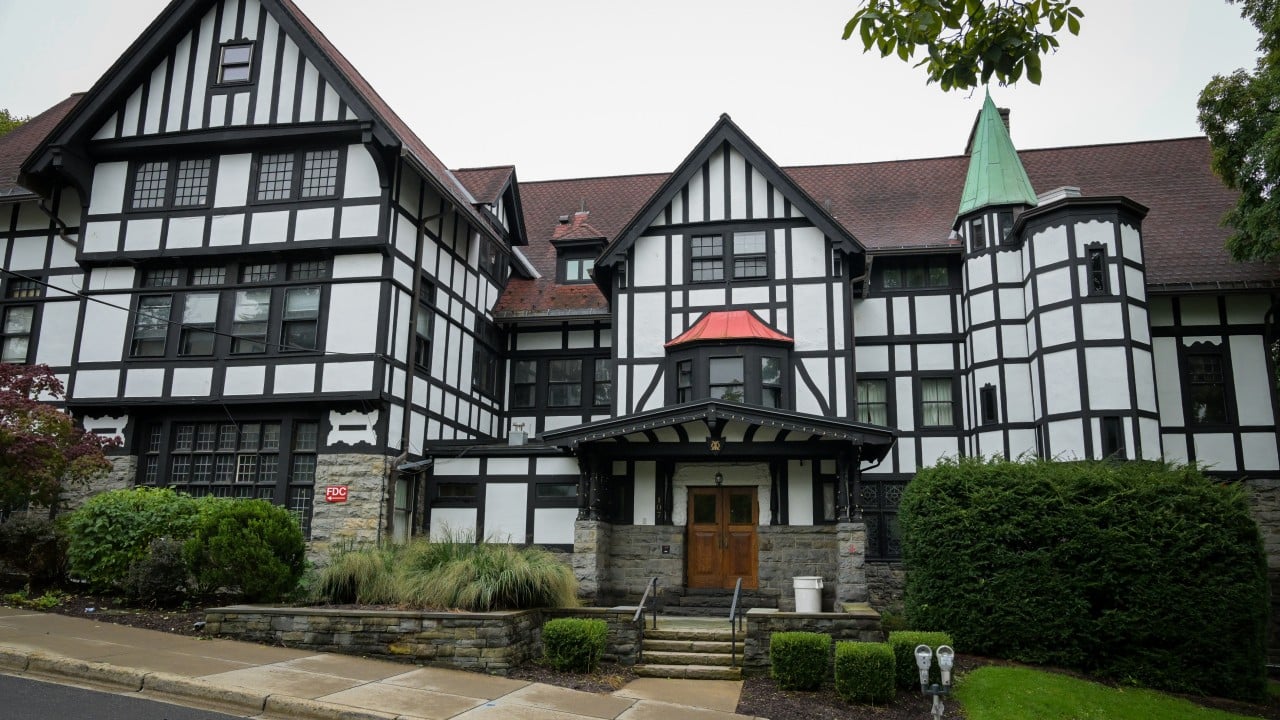
The legal pressure cooker began when a former Cornell student—identified in court filings as Jane Doe—filed a civil lawsuit detailing a horrifying night of sexual assault at the Chi Phi fraternity house back in 2024. The lawsuit didn't just target the individuals accused; it dragged Cornell University's internal handling of the incident directly into the spotlight.
According to the complaint, the survivor went to campus police roughly three weeks after the incident. The university moved quickly on the surface, placing the fraternity and seven members on temporary suspension and eventually shutting down the local Chi Phi chapter completely.
Yet, the survivor's legal team argued that the university's initial process missed crucial details. They claimed campus investigators lacked the specialized training required to handle severe trauma, failing to uncover the full scope of what happened until the civil complaint laid out group chat evidence and detailed allegations of drugging.
The Institutional Defense vs. Public Outrage
Cornell officials have pushed back hard against claims that they swept the incident under the rug. The university insists it conducted a rigorous internal disciplinary investigation through a panel of trained faculty and staff. They maintain that appropriate punishments—including student expulsions and suspensions—were handed down, even though federal privacy laws (FERPA) prevent them from publicly releasing specific student penalties.
At the same time, high-profile figures and politicians, including Representative Alexandria Ocasio-Cortez, have pointed to the case as evidence of a toxic, normalized fraternity culture. Public forums near campus have amplified demands for transparency, pointing out a stark disconnect between administrative defense mechanisms and student safety realities. Data from a 2025 campus task force report revealed that 35% of undergraduate women and 8% of undergraduate men reported experiencing sexual assault during their time at Cornell. Those numbers are staggering. They prove that individual fraternity closures aren't fixing a systemic emergency.
Why Criminal Reopening Changes the Game
Campus disciplinary boards operate under entirely different standards of proof than a district attorney's office. When a university handles an assault internally, the goal is often risk management and institutional compliance. When local prosecutors reopen a criminal case, the stakes shift to actual penal accountability.
This dual-track reality—where a civil lawsuit forces criminal investigators to take a second look—highlights a major flaw in modern Title IX structures. Survivors shouldn't have to hire high-powered attorneys and file multi-million-dollar lawsuits just to get trained criminal detectives to review digital evidence like group chats.
If you're watching how universities navigate these crises, the takeaway is clear. Internal investigations can hide behind privacy laws and administrative red tape. Criminal probes cannot.
Take a close look at how your local institutions handle reporting mechanisms. Press for independent oversight instead of relying entirely on internal campus police departments. Real transparency starts long before a lawsuit hits the headlines.
Prosecutors reopen investigation of alleged 'gang rape' at Cornell
This short video clip from the search results provides a quick, direct summary of the newly reopened criminal investigation into the Cornell University fraternity case.
http://googleusercontent.com/youtube_content/1