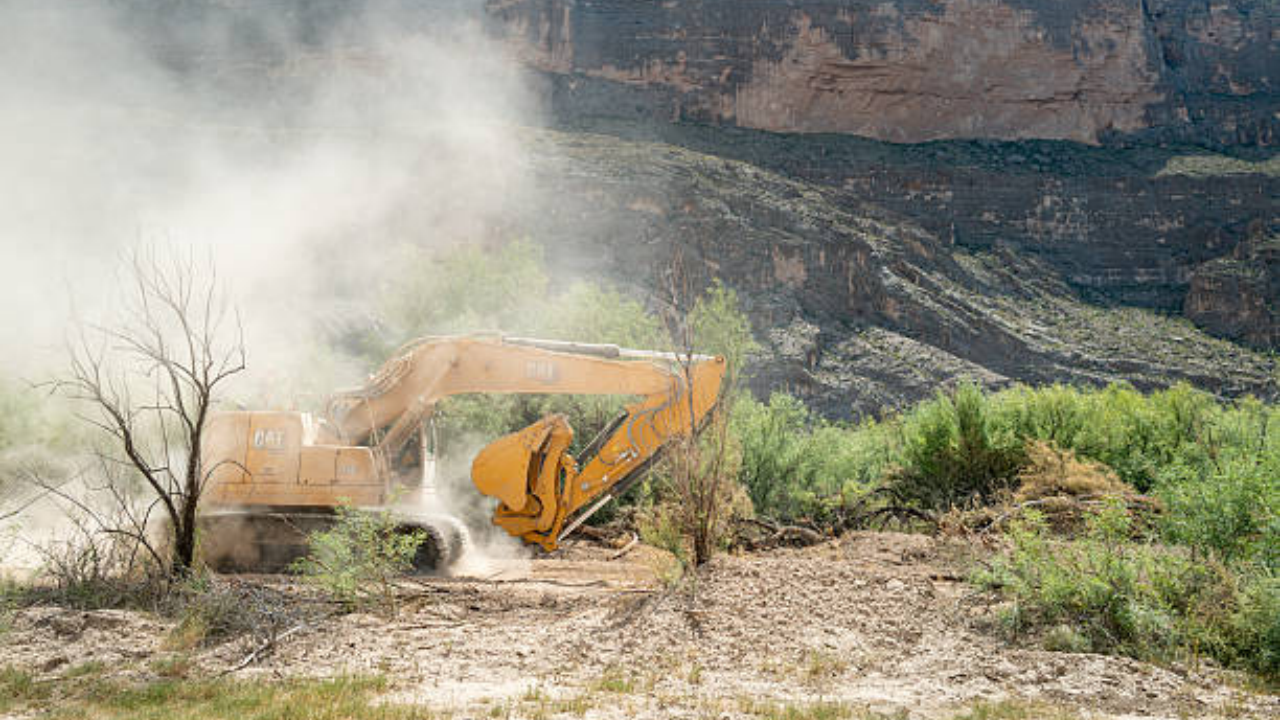
You don't just stumble into the Big Bend sector of Texas. It is vast, remote, and defined by the sweeping curves of the Rio Grande cutting through jagged desert mountains. When federal plans surfaced to ram multi-billion-dollar border barriers through this pristine wilderness, local residents didn't just worry about politics. They worried about losing their lifeblood.
An October federal court order by US District Judge Kathleen Cardone finally hit pause on ground-disturbing activities across this fragile stretch while legal battles play out. But the freeze doesn't erase the deep anxieties of ranchers, river guides, and historic preservationists who watched bulldozers tear up public lands under waived environmental laws. If you want to understand why this specific border fight sparked an unusual coalition across political lines, you have to look past standard talking points and examine what is actually at stake on the riverbank.
The Reality of Living Beside the Rio Grande
For generations, families whose properties touch the Rio Grande relied on seamless access to the water for livestock, irrigation, and survival in an unforgiving climate. When you hear federal officials talk about achieving operational control, it sounds clean on paper. On the ground, it looks entirely different.
Local landowners learned quickly that physical walls, security roads, and surveillance towers wouldn't just stop unauthorized crossings. They would physically sever private ranches from the river itself. Danny William Miller, a local river guide and landowner in Redford, put it bluntly during court testimony. Losing river access and watching heavy machinery scar the desert feels like a permanent wound to a landscape that cannot simply be replanted or restored.
When your livelihood depends on guiding tourists through a pristine wilderness, turning the canyon into a fortified military corridor destroys the entire point of being there. Bill Guerra-Addington, a rancher from neighboring Hudspeth County, echoed that pain, noting that taking the river away effectively kills the viability of ranches that have survived for decades.
Why Big Bend Became a Flashpoint
To understand why this legal challenge matters so much, look at the numbers. The Big Bend sector covers roughly a quarter of the total Texas-Mexico border. Yet, historically, it accounts for only one to three percent of total migrant apprehensions by US Customs and Border Protection.
That massive mismatch fuels local outrage. Critics of the project argue that pouring billions of dollars into massive infrastructure in one of the least-trafficked regions makes little practical sense. Instead, it targets a remote ecosystem for heavy industrialization under the guise of sweeping national security mandates.
Former Department of Homeland Security leadership pushed through aggressive contracting waivers, bypassing landmark environmental protections like the Endangered Species Act and the National Environmental Policy Act. Those waivers let contractors bulldoze new roads and stage heavy equipment inside areas like Big Bend National Park before anyone could mount a coordinated defense.
Inside the Legal Strategy That Halted Construction
The Center for Biological Diversity stepped in alongside local non-profits, filing lawsuits designed to halt the rush of unvetted construction. Plaintiffs targeted the fundamental separation of powers, arguing that administrative waivers cannot bypass basic constitutional guardrails or strip citizens of historical land access without due process.
Judge Cardone’s preliminary injunction granted a vital window of breathing room. She found that plaintiffs demonstrated a strong likelihood of succeeding on their constitutional claims. Six distinct lawsuits are currently winding through the federal court system, each chipping away at the federal government's immunity and fast-track construction privileges.
Yet, legal wins don't happen automatically, and they require immense resources. Organizations fighting these projects lean heavily on grassroots fundraising, expert witness testimonies from hydrologists and ecologists, and meticulous documentation of historical water rights.
What Comes Next for Texas Border Communities
Stopping construction temporarily via a court order doesn't mean the fight is over. The federal government still holds billions in active contracts for border infrastructure, and agencies are continuously assessing how shifting migration routes might pressure remote sectors in the future.
If you own property near a border corridor or care about public lands, you have to monitor administrative waiver updates and local conservation filings closely. Environmental groups and legal defense funds actively need public support, witness affidavits from local stakeholders, and sustained public pressure to keep agencies accountable.
The desert remembers every bulldozer track, and the legal battle over Big Bend proves that local communities will not let multi-billion-dollar projects steamroll their heritage without a fierce fight.