Geopolitics rarely stays confined to distant conference rooms. Sometimes, it unfolds in choppy waters just off a remote island chain where undersea cables hum with global internet traffic.
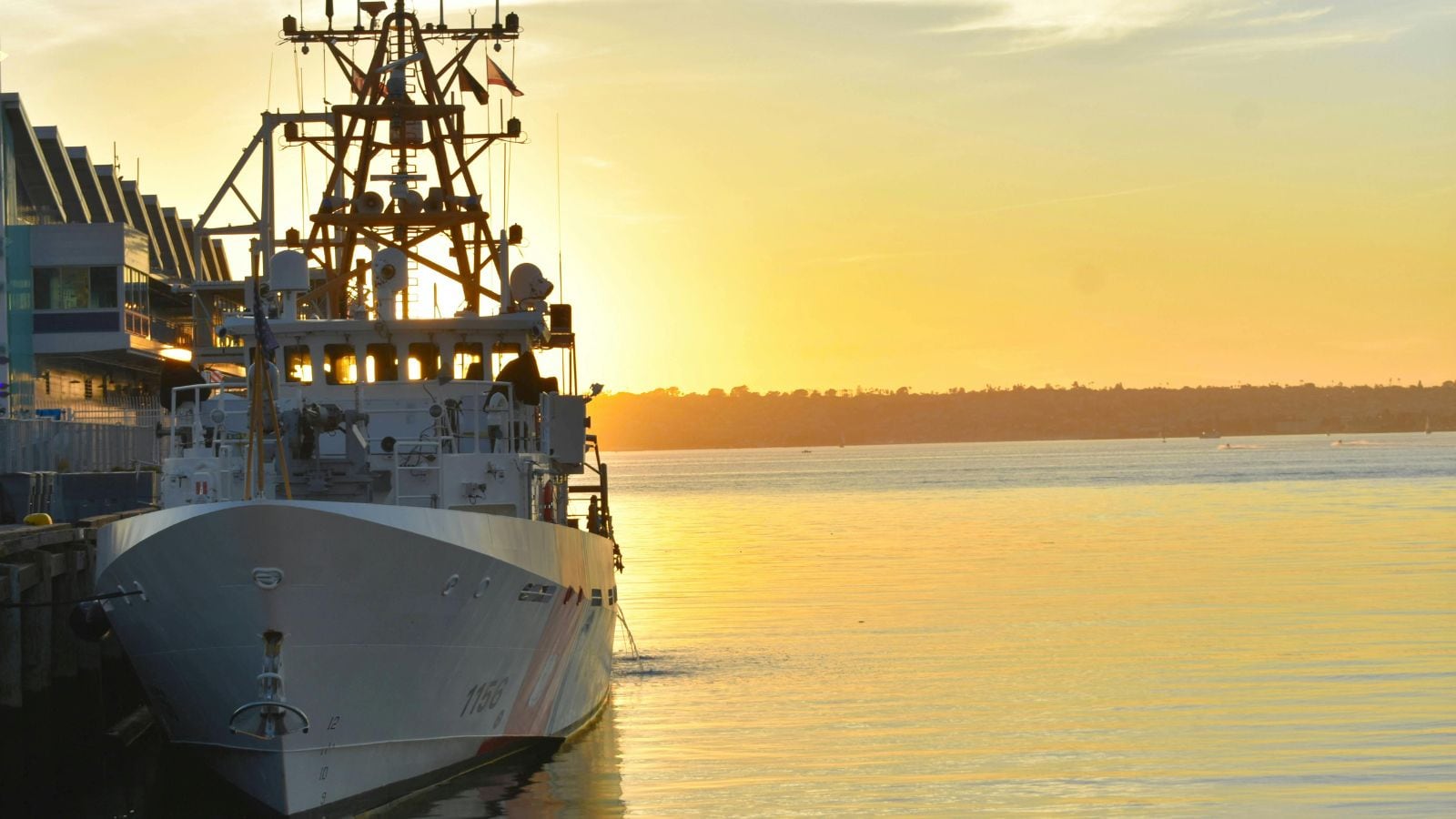
The Philippine Coast Guard recently sent its largest vessel, the BRP Teresa Magbanua, alongside an Islander surveillance aircraft, to confront a suspicious Chinese research ship lingering near the northern Batanes province close to Taiwan. If you think this is just another routine territorial squabble in the South China Sea, you are missing the entire point. This encounter exposes a clever loophole involving private ships, spoofed locations, and critical digital infrastructure.
The Ghost Ship Near Batanes
The vessel at the center of the storm is the Jia Hai Ke 7. Open-source data and Philippine maritime officials identify it as a civilian, privately owned research ship. Days before the physical showdown, coast guard monitors noticed the ship was spoofing its location data while loitering in the Luzon Strait.
When the BRP Teresa Magbanua closed to within 100 yards, the crew launched a rigid-hull inflatable boat to circle the research vessel. They wanted to disrupt whatever marine scientific research instruments the ship was running. They also wanted to board it.
Private ships do not enjoy sovereign immunity in the same way state warships or official government cutters do. That distinction matters immensely under international maritime law. Because the Jia Hai Ke 7 is technically a commercial or private entity on paper, Philippine authorities had a legal window to actively interfere with its operations inside their exclusive economic zone.
Yet, Beijing's reaction blew right past that legal distinction.
Why the China Coast Guard Showed Up Changes Everything
As the BRP Teresa Magbanua pushed the survey vessel out of its loitering position, a China Coast Guard ship—CCG 2503—hurriedly arrived from the direction of Taiwan's eastern seaboard. It immediately moved to shield the research ship and issued its own radio challenges.
That single move dismantled Beijing's plausible deniability.
If the Jia Hai Ke 7 is truly a private, independent commercial entity doing its own thing, why did a heavily armed government law enforcement ship race across the sea to protect it? Philippine officials pointed out this exact contradiction. The Chinese Embassy in Manila had previously insisted the vessel was conducting normal operations under Chinese jurisdiction. But dispatching a coast guard cutter to babysit a private survey ship proves state backing runs much deeper than official statements admit.
The Real Target Beneath the Surface
Why Batanes? Why now?
Batanes is the northernmost frontier of the Philippines, sitting a stone's throw away from Taiwan. This geographic bottleneck is a major highway for international undersea fiber-optic cables. These subsea lines carry the bulk of global internet and financial data between Southeast Asia, East Asia, and the rest of the world.
When a foreign survey vessel loiters in this specific corridor while faking its tracking signals, it is not merely studying marine biology. It is mapping critical infrastructure. Securing data routes or understanding how to tap or disrupt subsea communication lines gives any major power immense strategic leverage in a crisis.
The Philippines realized this threat and shifted tactics. Instead of just issuing formal diplomatic protests that gather dust in filing cabinets, Manila deployed physical assets. Coast guard commanders utilized fast inflatable boats to kick up turbulent wakes, physically disrupting whatever gear the survey ship was trailing in the water.
What Happens Next in the Luzon Strait
The confrontation off Batanes proves that gray-zone warfare is evolving. Nations no longer rely solely on grey-hulled warships to project power. They use private research vessels, civilian fleets, and digital deception to probe defenses without triggering an outright military conflict.
Manila's aggressive response draws a hard line. By intercepting civilian research ships, calling out location spoofing, and forcing foreign vessels out of exclusive economic zones, the Philippines is rewriting the playbook on how smaller nations can push back against maritime encroachment.
Keep your eyes on the Luzon Strait. The next major geopolitical flashpoint won't start with missiles. It will start with a small boat circling a ghost ship over a fiber-optic cable. Take note of how these tactical intercepts set the standard for protecting national infrastructure before the next crisis hits.