History isn't just written in textbooks. Sometimes, it arrives wrapped in state-of-the-art cinematic projects, symphonic choral works, and heavily curated tourism routes.
Right now, China is marking the 90th anniversary of the end of the Long March. If you think this is just another quiet state commemoration, you're missing the bigger picture. The ruling Communist Party has rolled out an extensive lineup of cultural initiatives—ranging from new feature films and orchestral suites to specialized heritage tours—to ensure the historic trek remains front and center in the public consciousness.
The Long March took place between 1934 and 1936. During the Chinese civil war, Red Army troops executed a massive tactical retreat to evade Kuomintang forces. They journeyed roughly 10,000 kilometres from Jiangxi province all the way to Yan'an in Shaanxi province, forging a foundational mythos that still anchors the nation's political identity today.
Now, ninety years later, the scale of the cultural rollout is hard to ignore.
The Cultural Campaign Behind the Milestone
You can't walk through major Chinese cities right now without bumping into reminders of the anniversary. Cultural institutions aren't just relying on dusty archives. Instead, they are deploying modern sensory experiences to engage younger demographics who usually tune out traditional history lessons.
Take music, for instance. The China National Traditional Orchestra recently commissioned a symphonic choral work titled Towards the Light. Instead of relying on older musicians who lived through the era, producers handed the project to composers born in the 1990s. These younger artists traveled directly to Jiangxi province—specifically Xingguo county—to collect old folk melodies from local village singers. They stitched those grassroots sounds into orchestral arrangements, blending ancient regional oral histories with modern symphonic compositions.
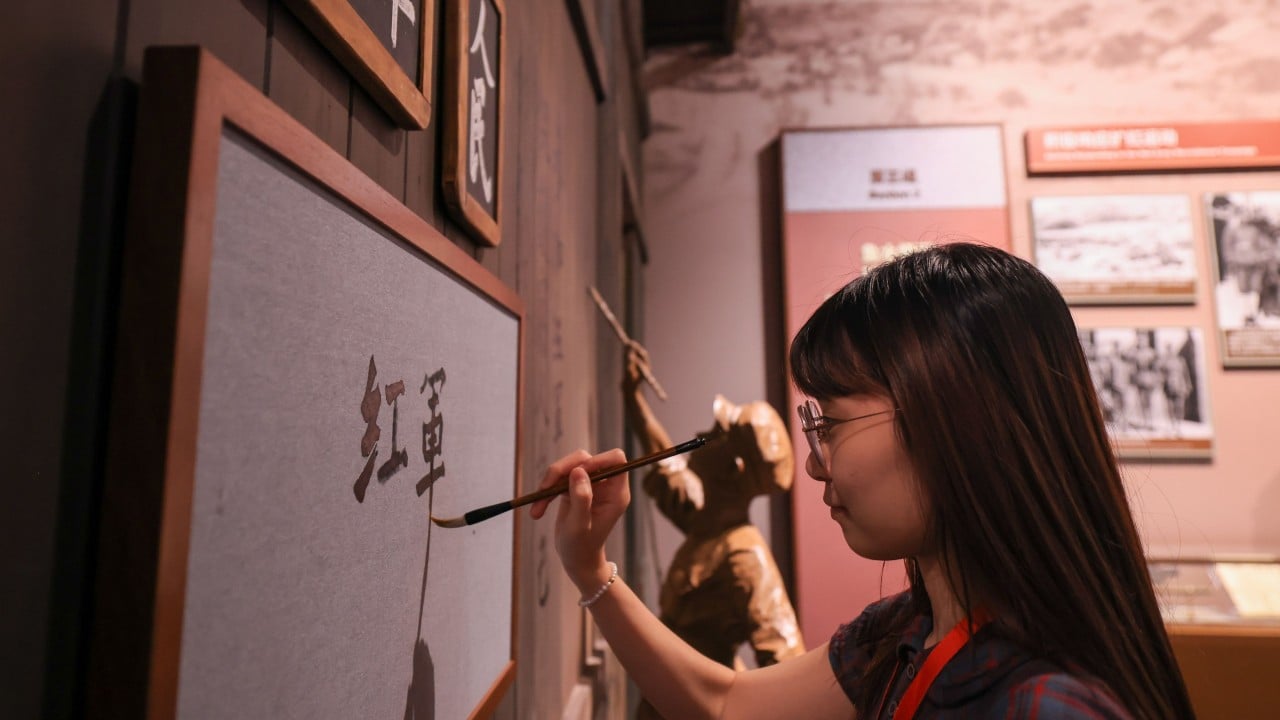
At the same time, major museums are pulling out all the stops. A massive themed exhibition opened at the Military Museum of the Chinese People's Revolution in Beijing. Stretching across thousands of square meters, the display route guides visitors through newly uncovered archives, rare artifacts, and multimedia installations designed to make the 1930s trek feel immediate and visceral.
Why Tourism and Media Matter
Commemoration isn't limited to stationary exhibits. Travel agencies and local governments have supercharged red tourism routes along the historical trail. Visitors can now book guided tours tracing the exact paths through Guizhou, Jiangxi, and Shaanxi.
International audiences are also part of the equation. State media platforms have launched multimedia projects and documentaries, such as international features exploring foreign perspectives on the era—including the legacy of American journalist Edgar Snow, whose classic book Red Star Over China first brought the movement to Western readers.
Why push these campaigns so aggressively right now? Because historical narratives are powerful tools for social cohesion. By framing the difficulties of the 1930s as a testament to endurance and sacrifice, organizers are drawing a direct line to contemporary challenges.
History remains alive when it's performed, filmed, and walked. Ninety years on, the Long March is being broadcast louder than ever.
Check out The Beginning of an Impossible Journey to see modern reporters retrace the historical steps of the Red Army.