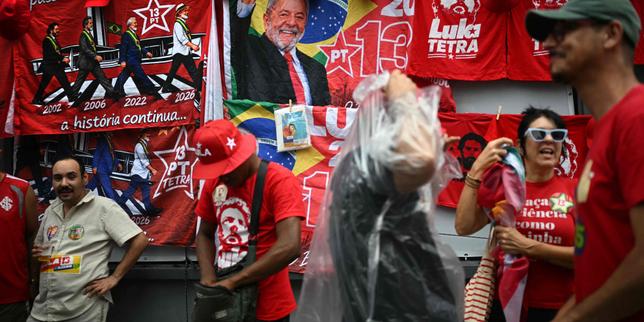
The atmosphere across Brazil feels strangely subdued, almost heavy, as the country heads toward a presidential election defined less by grand political visions and more by geopolitical friction. Beneath a quiet campaign trail, serious anxieties about foreign pressure are boiling over.
When intelligence reports from the ABIN warned of critical external pressures surrounding the vote, it wasn't just diplomatic noise. It exposed a deep fracture in Latin America's largest democracy. You have a tightly contested duel between incumbent Luiz Inácio Lula da Silva and conservative challenger Flávio Bolsonaro, playing out while allegations of Washington's interference dominate public discourse.
The Anatomy of a High Stakes Clash
Let's be honest about what's happening. Elections in Brazil rarely lack drama, but this cycle carries an extra layer of institutional tension. The federal government recently launched a formal inquiry into suspected American interference, turning a standard political showdown into a test of national sovereignty.
Lula's camp has pushed back hard, framing the vote as a defense of the nation's independence against external manipulation. Meanwhile, conservative factions see things differently, pointing to international alignments as vital for economic survival and ideological backing. This isn't just about tax rates or social programs anymore. It's about who actually calls the shots in Brasília.
Why Washington Cares So Much
You might wonder why US actors would invest political capital into a Brazilian ballot. Brazil holds massive weight in global geopolitics, climate policy, and trade relations across South America. A shift in power changes everything from environmental regulations in the Amazon to broader diplomatic alignments with Washington and Beijing.
Intelligence findings highlight a clear strategy from conservative circles in the US to tilt regional momentum toward right-wing candidates. When foreign intelligence agencies flag a "critical" level of outside pressure, it forces voters to choose between domestic priorities and standing firm against international arm-twisting.
What Voters Are Actually Talking About
While geopolitics dominates headlines, everyday citizens face practical concerns. Inflation, job security, and public safety remain kitchen-table issues that standard campaign speeches struggle to address meaningfully. Voters feel caught between polarized extremes, where candidates spend more time fighting external shadows than offering concrete fixes for local infrastructure.
- Security Concerns: Crime rates and urban safety continue to sway undecided voters in major urban hubs like São Paulo and Rio de Janeiro.
- Economic Anxiety: Purchasing power has stagnated, leaving working-class families frustrated with political promises that haven't materialized.
- Institutional Trust: Faith in electoral transparency faces constant stress tests from social media disinformation campaigns.
Moving Beyond the Noise
If you want to understand where Brazil is heading, look past the sensationalized headlines about foreign plots. The real story is the resilience of Brazilian democratic institutions under immense external and internal strain. No matter who wins this tight race, the next administration will inherit a deeply divided populace and a skeptical international community.
Keep a close eye on how local courts handle the inquiry into foreign meddling. That outcome will set the standard for how Latin American nations protect their democratic processes moving forward.