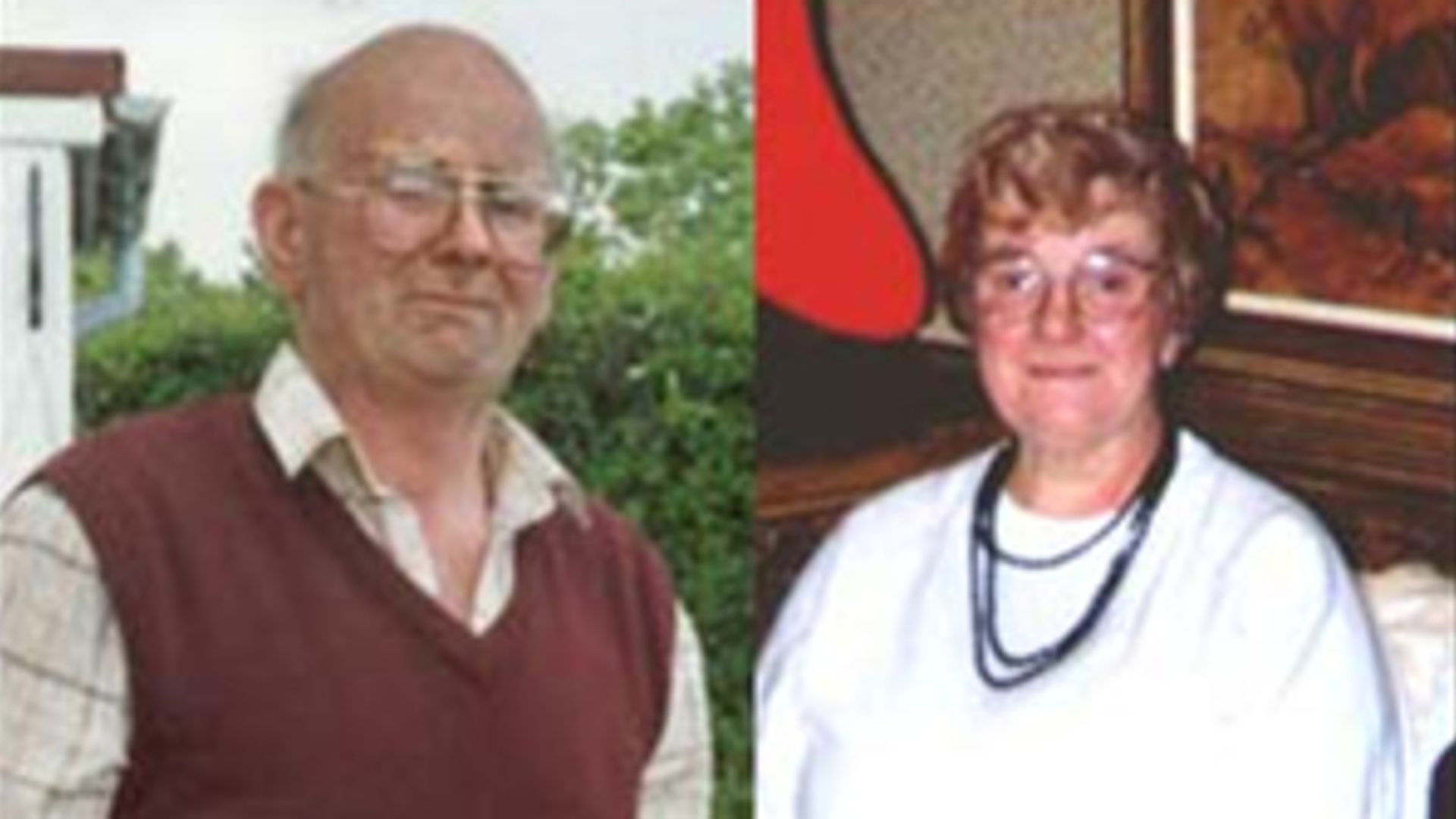
More than thirty years have passed since Harry and Megan Tooze were gunned down at their Welsh farmhouse, and justice still feels entirely out of reach. South Wales Police just dropped the investigation against an 87-year-old man who had been arrested late last year in connection with the 1993 double murder. He will face no further action.
Cold cases of this magnitude leave deep scars on communities. They test the limits of modern forensics and expose how difficult it is to untangle decades-old mysteries when physical evidence degrades and memories fade. If you have been following British true crime or want to understand why this landmark cold case remains open, let's break down the realities of what happened at Ty Ar y Waun farm and why the latest twist changes nothing about the hunt for the killer.
What Happened at Ty Ar y Waun Farm
On July 26, 1993, 64-year-old Harry Tooze and his 67-year-old wife Megan left their farmhouse in Llanharry, near Cardiff, to collect their pensions. They returned home, walked straight into a nightmare, and never left alive.
Neighbours heard two distinct gunshots at roughly 1:30 PM that afternoon. Because they lived on a working farm, the sound of gunfire or loud bangs didn't raise immediate alarm. No emergency services were called. The grim reality only came to light later that day when a routine telephone call from the couple's daughter went unanswered.
Police arrived to find a horrific scene. Both Harry and Megan had been shot in the back of the head with a shotgun. Their bodies were concealed under hay bales inside a cowshed right beside the farmhouse. The brutality and execution-style nature of the crime shocked the local community and kicked off one of the most complex murder investigations in Welsh history.
The Long, Twisted Path of the Investigation
Solving a decades-old homicide is never straightforward. The Tooze case has experienced false starts, wrongful convictions, and agonizing legal battles since the 1990s.
In 1995, a man was convicted of the murders and sentenced to life imprisonment. That verdict didn't stick. The Court of Appeal overturned the conviction just a year later, freeing him. A subsequent reinvestigation launched in 2001 yielded no charges, leaving the case wide open for years.
Decades ticked by with no definitive answers. Then, in late 2023, South Wales Police announced a fresh forensic review led by the force's Major Crime Investigation Team. That renewed push led officers to arrest an 87-year-old man in December. Investigators and family members hoped this breakthrough might finally provide closure.
That hope took a major hit. Detectives announced that the man has been released and will face no further action. The unnamed suspect is completely off the hook, proving once again how fragile circumstantial leads can be when applied to evidence collected over thirty years ago.
Why Cold Cases Are So Brutal to Crack
People often ask why police wait decades to make arrests or why forensic reviews take years. The truth is that time is the ultimate enemy of criminal investigators.
The Degradation of Physical Evidence
Evidence collected in 1993 did not benefit from today's advanced DNA profiling, touch-DNA sensitivities, or digital tracking. When cold case teams reopen files, they rely on re-testing preserved items against modern standards. Sometimes, degraded samples simply yield no usable profiles. Other times, profiles turn up, but matching them to living suspects or proving how they got there years prior becomes legally impossible.
The Problem with Witness Testimony
Human memory is notoriously unreliable. After thirty years, witnesses pass away, move away, or misremember timelines. Details that seemed minor in 1993 might be distorted by decades of media coverage and local folklore. Prosecutors need ironclad proof, not hazy recollections from elderly neighbors.
Where the Case Stands Now
South Wales Police insist that the investigation into the deaths of Harry and Megan Tooze is far from dead. Detective Superintendent Mark O'Shea made it clear that the Major Crime Investigation Team's forensic review continues, even though the 87-year-old suspect has been cleared of current involvement.
Authorities are appealing directly to the public. Someone out there knows something. Someone heard a conversation, noticed a change in behavior, or possesses a piece of the puzzle that was buried under decades of silence.
Justice delayed doesn't automatically mean justice denied, but it requires extraordinary persistence. If you have any information about the 1993 Llanharry farmhouse murders, law enforcement urges you to submit details through the Major Incident Public Portal or contact emergency services immediately. The clock is ticking, and a family still waits for answers.