When the death toll from a single weekend of violence climbs to 28, numbers stop being mere statistics and become a glaring symptom of a deeper fracture. South Africa's mass shootings have once again thrust the country's security crisis into the global spotlight, leaving communities shattered and authorities scrambling for answers.
If you are wondering how weekend bloodshed in two distinct townships could claim nearly three dozen lives, you are looking at an ongoing public safety emergency that goes far beyond random crime. This isn't just about localized gang warfare. It is a stark reminder of an environment where illegal firearms circulate freely, informal business rivalries turn fatal overnight, and vulnerable communities are left largely defenseless.
Let's break down what actually happened, why it matters, and what experts say is failing behind the scenes.
The Anatomy of a Bloody Weekend
The carnage unfolded on a Saturday night that started like any other, only to descend into absolute horror across two different provinces.
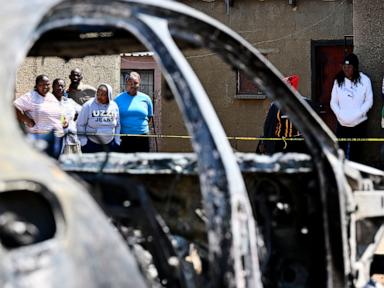
In Wedela, a township near Johannesburg, armed gunmen wielding AK-47 rifles stormed a local tavern. They didn't just walk in shooting; they targeted patrons outside first, moved inside to continue the barrage, robbed mobile phones, and torched two vehicles outside before fleeing. Initially, 17 lives were lost at the scene. By Monday, authorities confirmed that another victim had succumbed to injuries in the hospital, pushing the Wedela death toll to 18. Among the confirmed fatalities were local residents alongside foreign nationals from Lesotho.
Roughly four hours later, miles away in Lwandle, a township near Cape Town, lightning struck twice. Gunmen targeted a store linked to an entertainment venue, killing 10 people and wounding 11 others. Five victims died instantly, while others passed away while being rushed to medical care.
With no arrests made immediately after either massacre, a joint team of detectives and members of the South African National Defence Force stepped in. But raids and military deployments are starting to feel like Band-Aids on a gushing wound.
Why Informal Businesses and Taverns Are Ground Zero
You might ask why taverns and local shops keep turning into execution sites. The answer lies in the volatile intersection of economic desperation, informal market control, and unchecked criminality.
South Africa records roughly 60 murders a day, placing its homicide rates among the highest globally. In many townships, establishments like taverns serve as economic hubs, making them prime targets for extortion rings, protection fee rackets, and fierce commercial turf wars. When rival factions clash over territory, they do so with military-grade weaponry.
- The Weapon Factor: The widespread availability of both legal and illegal firearms, including assault rifles, means minor disputes escalate into mass casualties within seconds.
- The Security Vacuum: Police response times in dense township areas are often hampered by poor infrastructure, understaffing, and vast geographic spread.
- Economic Desperation: High unemployment rates create fertile ground for organized crime syndicates to recruit young, desperate individuals into violent operations.
President Cyril Ramaphosa's administration has repeatedly leaned on military support, deploying soldiers to crime hotspots in Johannesburg and launching anti-gang initiatives in the Western Cape. Yet, boots on the ground have failed to stem the tide of high-profile mass casualty events.
The Bigger Picture Behind the Numbers
When communities watch the death toll rise from 27 to 28 and beyond, public trust in law enforcement plummets. Citizens are left questioning how multi-suspect squads can execute coordinated, military-style raids without immediate interception.
Investigating syndicates that operate across provincial lines requires intelligence-led policing rather than reactive troop deployments after the bodies have already been counted. Until authorities dismantle the supply chains feeding illegal weapons into townships and crack down on the extortion networks funding these operations, these weekends of horror will keep repeating.
The real crisis isn't just the absence of safety. It's the normalization of tragedy in a nation desperately waiting for structural reform that actually delivers results.