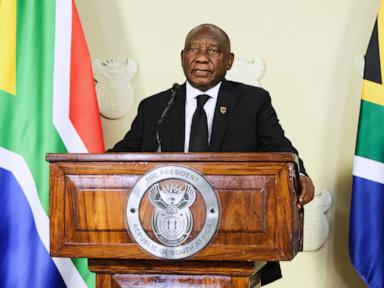
The national anger is palpable, and frankly, it's long overdue. When a country's leader steps up to the microphone and admits that previous government interventions have utterly failed to keep women alive, you know the situation has crossed a critical threshold.
South African President Cyril Ramaphosa faced the nation following a horrific wave of killings—including the discovery of 11 bodies of women in the Ekurhuleni area since July—and laid out a stringent set of deadlines. But behind the newly announced state directives lies a heavier question: why did it take a fresh series of brutal murders to trigger urgent state action?
Let's look at what's actually changing, where the system broke down, and whether these 60-day and 90-day targets will translate into real safety or just more empty bureaucratic promises.
Breaking Down the New Four-Point Strategy
You can't fix a systemic breakdown with vague slogans. Ramaphosa's address outlined four immediate interventions meant to force the police, justice departments, and local municipalities into accountability.
First is a national case-recovery operation. The police and justice ministries have 60 days to audit unresolved murders, rapes, and serious sexual offenses involving women and children. Within 90 days, individual recovery plans must be locked in for priority and stalled dockets. Dockets go missing, investigations stall, and survivors face a lack of dignity. This audit aims to stop cases from collapsing due to administrative incompetence.
Second, the forensic backlog is facing a hard 60-day deadline. Police and forensic authorities must produce a fully funded plan to clear out testing queues. Too often, biological evidence sits in storage while suspects walk free. Turning this around requires regular quarterly public reporting so citizens can track progress.
Third, municipal safety audits are now mandatory. Local governments have 60 days to map out high-risk urban hazards like broken streetlights, overgrown public parks, abandoned buildings, and dangerous transport routes. Within 90 days, the most critical hazards must either be fixed or folded into funded implementation plans. Walk down any poorly lit street in Johannesburg or Kempton Park at night, and you'll immediately understand why this matters. Physical decay invites crime.
Fourth, the government is taking aim at alcohol-related violence. Unlicensed liquor outlets and bars operating outside permitted hours fuel a massive share of violent crimes. A coordinated legislative package is supposed to clamp down on rogue establishments.
The Reality Behind the Statistics
Numbers rarely capture the human weight of gender-based violence (GBV) in South Africa. The economic toll alone has historically eaten up billions of rands annually—estimates from past landmark studies put the cost at tens of billions of rands, draining nearly one percent of the national GDP. Yet, the real cost is measured in lost human potential, shattered families, and a pervasive climate of fear.
Victims like Elizabeth "Tsontso" Moselakgomo, who vanished after an afternoon run in Kempton Park, represent a terrifying norm. Women constantly adapt their behavior. They change routes home, avoid public transport after dark, and warn friends about dangerous zones. As Ramaphosa himself noted, the state has unfairly placed the burden of male violence onto the shoulders of women.
What Needs to Happen Next
Announcing deadlines is easy. Enforcing them across bureaucratic agencies is where policy usually dies.
If you want to see whether these measures work, watch the accountability metrics. Demand transparency from your local municipality on those streetlamp repairs. Track whether forensic labs actually receive their funding and staffing boosts. Real security won't arrive through speeches in Pretoria; it arrives when cops answer calls promptly, courts process dockets without losing evidence, and communities refuse to shield abusers.
The anger across the country is real. It's time the response matched it.