Saskatchewan is drawing a hard line on the addiction crisis. The province is moving forward with the Compassionate Intervention Act, legislation designed to force individuals into treatment if severe substance use places their lives or safety in immediate jeopardy.
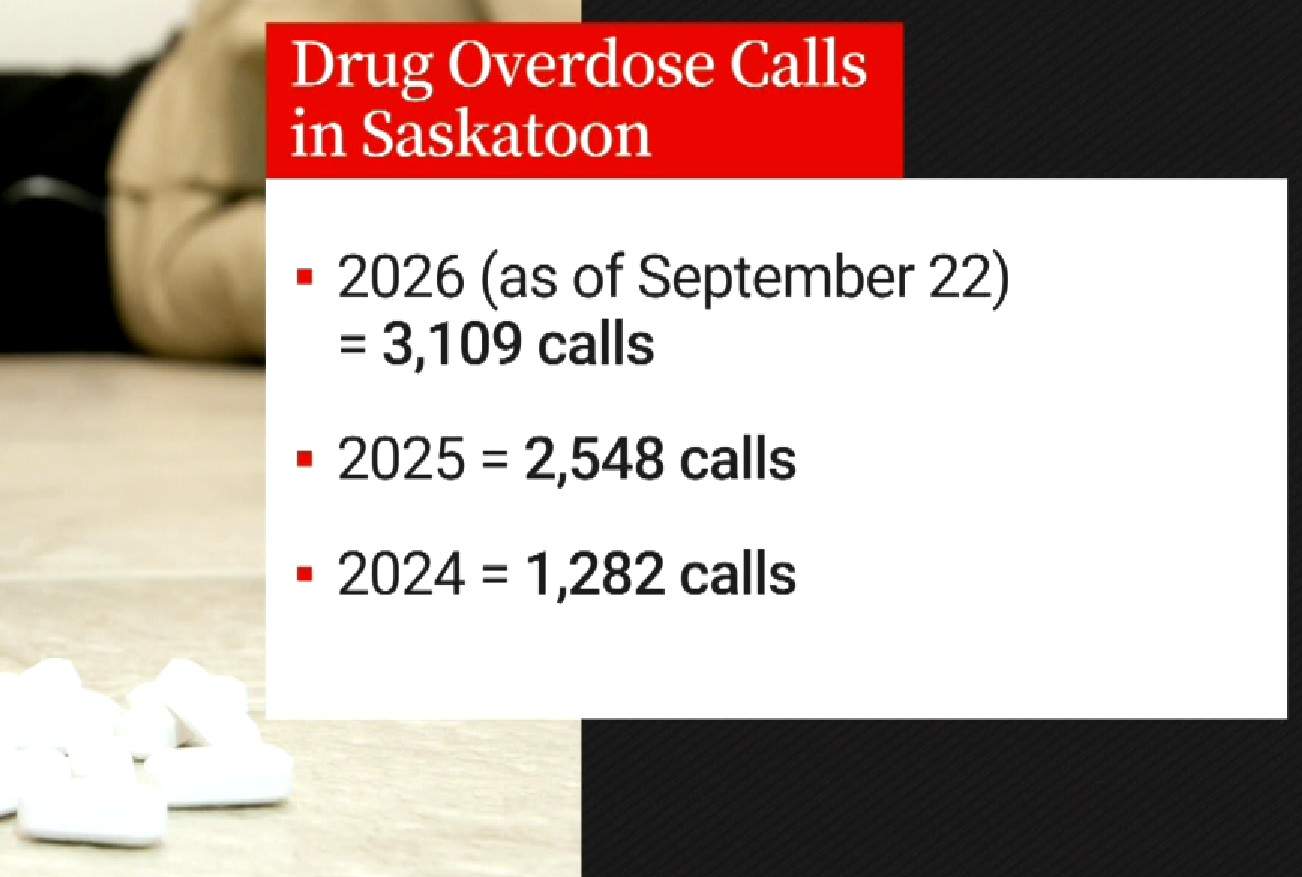
Yet, as the rollout date approaches, the execution stalls. Timelines are slipping. Critics, healthcare professionals, and Indigenous advocates are asking how a system already stretched to its absolute breaking point can absorb involuntary patients. When Saskatoon alone handles over 3,000 overdose calls in a fraction of a year, the pressure to act becomes intense. But speed risks creating a broken system.
The Promise and Pressure of Compulsion
The core argument for involuntary treatment rests on a stark reality. Severe addiction destroys an individual's capacity to make rational health choices. Many continue using strictly to stave off agonizing withdrawal, not because they want to. Proponents point out that people forced into programs often look back and credit the intervention with saving their lives.
Mental Health and Addictions Minister Lori Carr defends the delayed timeline, noting that officials want to build a functional framework right out of the gate. The province envisions a dedicated facility in North Battleford where referrals can come from concerned family members, physicians, or police officers.
Building the infrastructure requires establishing specialized evaluation teams and independent tribunals. Those tribunals carry a massive burden. They must decide when personal autonomy takes a back seat to medical preservation, all within uncharted legal territory.
The Medical and Resource Dilemma
Skeptics inside the medical community aren't convinced the model will succeed. Brian Salte of the College of Physicians and Surgeons of Saskatchewan points to a glaring gap in the evidence base. Clear, long-term data proving that coerced treatment yields better sobriety rates than voluntary care remains scarce.
Worse yet is the capacity question. If treatment beds are already booked solid and addiction counselors are burning out, where do involuntary patients go?
Diverting scarce public funding and specialized personnel toward a new court and tribunal apparatus could cannibalize an already fragile voluntary care network. If a person wakes up wanting help voluntarily and gets turned away due to capacity limits, while an involuntary bed sits down the hall, the system faces a severe ethical conflict.
The Missing Voices in the Room
A policy touching personal liberty and health requires broad consultation, yet cracks in communication are already showing. The First Nations Health Ombudsperson's office has reported unanswered inquiries sent to the provincial government regarding the rollout.
Any effective intervention model in Saskatchewan must integrate culturally appropriate care. Ignoring Indigenous leadership risks repeating historical mistakes in healthcare delivery. Indigenous communities bear a disproportionate burden of the crisis, making their direct involvement non-negotiable.
As winter approaches, the province promises clearer operational blueprints. Passing a law in the legislature is easy. Building a functional, humane, and legally sound system of forced care is an entirely different battle. Saskatchewan is about to find out if it has the resources to win it.