Things happen quickly out on the open Pacific. One moment you're tracking your coordinates, and the next, your hull is slamming against hidden rocks.
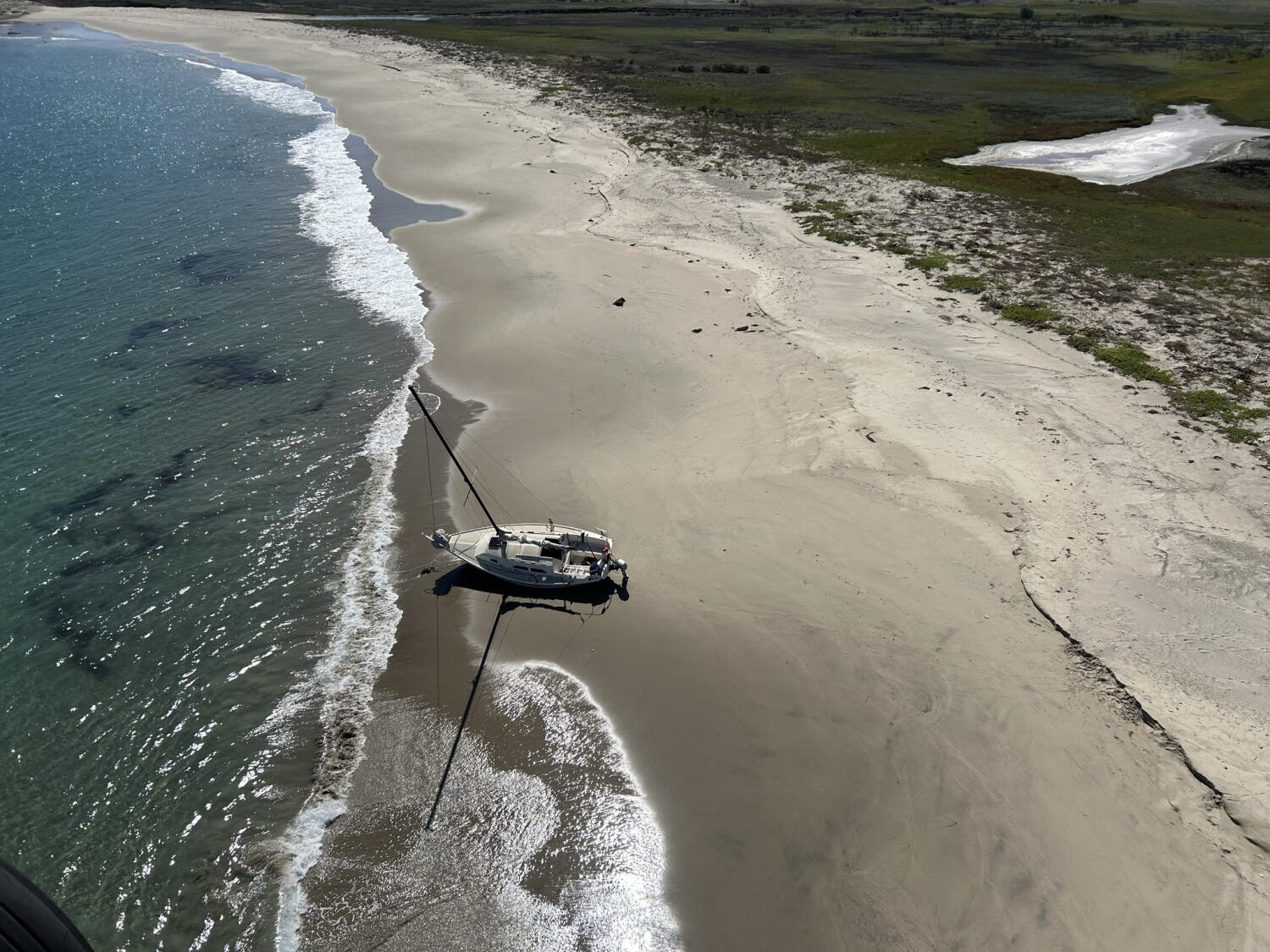
That exact scenario played out when a 25-foot sailboat ran aground on Santa Rosa Island, triggering an immediate emergency response from the U.S. Coast Guard. If you boat off the Southern California coast, incidents like this offer a stark reminder of how unforgiving the Channel Islands can be. Let's break down what happened, how the rescue unfolded, and what you can learn from it.
The Distress Call That Triggered the Response
At 12:18 p.m. on Thursday, September 24, watchstanders at Coast Guard Sector Los Angeles-Long Beach received a distress call over VHF-FM Channel 16. A solitary sailor was in trouble. Their 25-foot sailing vessel had run hard aground on Santa Rosa Island, part of the rugged Channel Islands National Park located off the coast of Ventura County.
When you're dealing with remote locations like Santa Rosa Island, traditional ground rescue is impossible. Sector watchstanders immediately coordinated the launch of an MH-60 Jayhawk helicopter crew from Coast Guard Air Station Ventura. Time matters immensely in these situations. Cold water, surf pounding against a stranded hull, and changing tides mean that waiting around isn't an option.
How the Helicopter Extraction Worked
The MH-60 Jayhawk aircrew arrived on scene to find the 25-foot recreational vessel stranded directly on the island's shoreline. Operating a heavy helicopter near rugged coastal terrain requires absolute precision. The flight crew managed to safely approach the grounded boat, lower a rescue swimmer or position the aircraft to safely embark the stranded mariner.
The solo sailor was successfully hoisted or brought aboard the aircraft, escaping what could have quickly turned into a hypothermic or life-threatening ordeal. The helicopter flew the mariner straight to Camarillo Airport. Waiting on the tarmac were personnel from the Ventura County Fire Department ready to conduct a full medical evaluation. Miraculously, no injuries were reported.
What Happens to the Boat After the Rescue
Getting the person to safety is always priority number one. But what about the hardware left behind?
A grounded hull creates both an environmental hazard and a navigation obstacle. In this case, the 25-foot sailboat didn't stay stranded forever. Coast Guard sector watchstanders coordinated with a local commercial towing company to extract the vessel from the island. The boat was successfully pulled free and transported to Ventura Harbor.
The cause of the grounding hasn't been publicly disclosed. But veteran sailors know the usual suspects in these waters: unexpected shifts in ocean currents, sudden drops in visibility, mechanical failure, or simple navigational miscalculation. The Channel Islands are notorious for strong winds, heavy swells, and tricky bottom contours that catch even experienced skippers off guard.
Lessons Every Skipper Should Take Away
You don't want to find your name in a Coast Guard press release. If you're planning a trip out toward Santa Rosa, Santa Cruz, or any of the outer islands, keep a few hard rules in mind.
- Check your VHF radio constantly: The unnamed sailor in this incident used VHF-FM Channel 16 to call for help. Make sure your radio works, you know how to use it, and you monitor it. Cell service vanishes fast once you leave the mainland coast.
- Respect the local sea state: Pacific swells and wind patterns around the Channel Islands change by the hour. Always build a safety margin into your route planning. Give yourself plenty of sea room off rocky shores and kelp beds where currents can push a powerless vessel right onto the beach.
- Have a tow and salvage plan: Membership in a marine assistance fleet can save you tens of thousands of dollars if things go sideways.
The Coast Guard does incredible work out of Air Station Ventura, but they prefer not to pull you off the rocks any more than you want to be there. Stay sharp, respect the ocean, and keep a close eye on your charts.