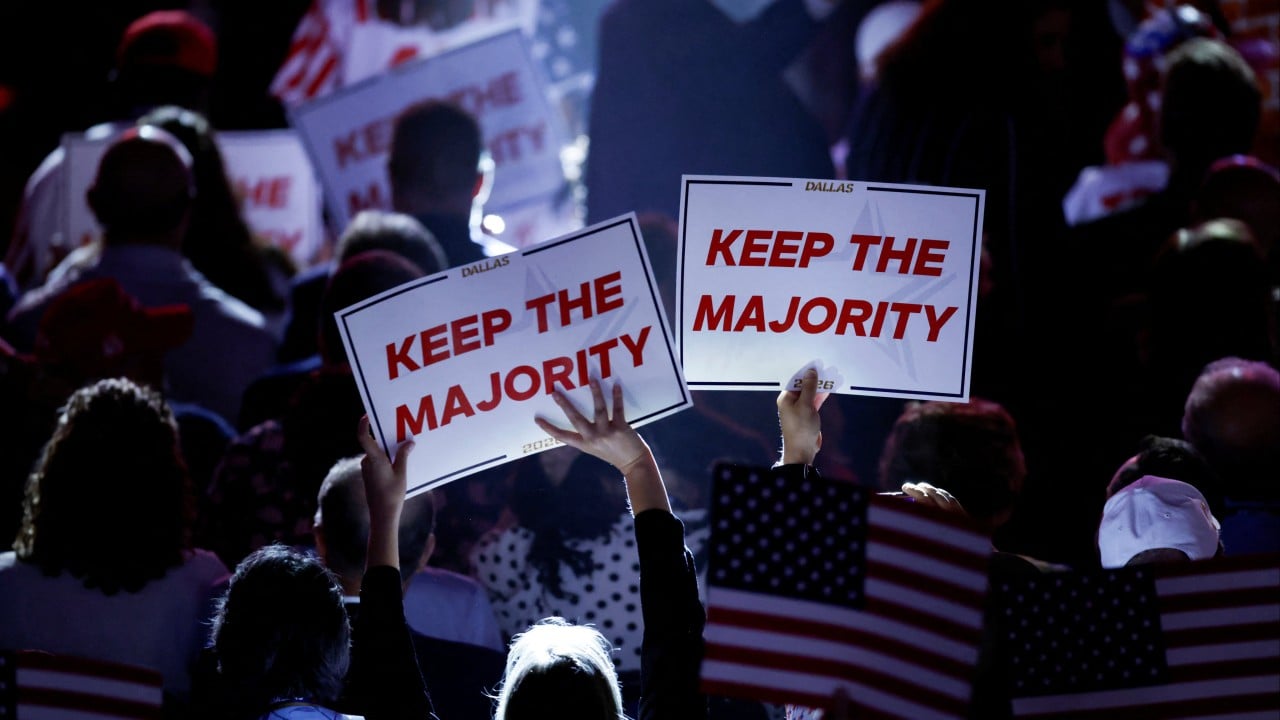
Waking up to find your safe seats aren’t actually safe is every campaign manager's worst nightmare. Right now, Republican groups are learning that lesson the hard way. They're frantically pouring cash into more than three dozen US House races that nobody expected to break a sweat over.
If you're wondering how a secure majority vanishes into thin air, look no further than late-breaking internal polling data. With the November 3 midterm elections right around the corner, Republicans hold a razor-thin 218-214 majority in the House. Democrats only need to net four seats to seize control of the chamber next year. When margins are that tight, complacency is a luxury nobody can afford.
Major political action committees and party campaign arms are scrambling to redirect funds toward at least 39 districts that were previously written off as comfortable wins. Panic moves rarely happen without a cause. Voters are dealing with massive cost-of-living strains, and economic anxiety is rewriting the electoral rulebook faster than national strategists can update their spreadsheets.
The Real Cost of Complacency
Campaign strategy looks great on paper until reality hits. For months, major party spenders focused their heavy artillery on classic swing districts. They assumed conservative-leaning baseline districts would take care of themselves.
That was a mistake. Internal numbers started flashing red warning lights across multiple states. When local polling shows a comfortable incumbent or a favored open-seat candidate bleeding support, party leaders stop asking questions and start writing massive checks.
Super PACs don't deploy millions of dollars into secure districts for fun. They do it because local tracking polls indicate unexpected erosion. Voters who traditionally lean right are staying home, or worse, shifting allegiance due to persistent inflation and shifting local dynamics.
Why the House Majority is Hanging by a Thread
Control of Congress usually comes down to a handful of zip codes, but this cycle is different. The sheer volume of defensive spending tells a broader story about voter volatility.
Look at the math. A four-seat deficit means Democrats can flip the chamber with minimal effort if Republicans trip over their own feet. Every single district where margins narrow becomes a potential leak in the dam. Pumping cash into these thirty-nine-plus races is an emergency thumb in the dike.
Instead of expanding their offensive footprint and trying to pick off vulnerable Democrats, Republican strategists are stuck playing defense. That shift alone alters the entire national map. When you spend your final weeks protecting what you already own, you surrender the initiative to your opponent.
What Happens Next
The final stretch of any midterm race turns into a brutal media blitz. Expect an absolute flood of television ads, targeted digital outreach, and last-minute ground game investments in districts that weren't supposed to matter until 2028.
Watch how both parties manage their remaining cash reserves over the next few weeks. If Republicans have to drain their war chests just to hold districts they won by double digits two years ago, the path to keeping the House gets exponentially harder.
Check your local ballot, track the spending shifts in your state, and don't assume any prediction holds true until every vote is counted.