When Pope Leo XIV wrapped up his whirlwind four-day apostolic journey to France on September 28, 2026, most mainstream outlets treated it as a simple itinerary check-off. They talked about flight times, motorcades, and polite applause. But if you were paying close attention to his final stop in Metz, you saw something entirely different. You saw a calculated, deeply symbolic masterclass in European diplomacy and interfaith dialogue.
Why did the Vatican choose Metz for the grand finale of a trip that started with high-stakes stops in Paris and the quiet sanctuary of Lourdes? The answer changes how we look at the entire tour.
The Strategic Weight of Metz on the Final Day
Most people assumed the pope's choice of Metz was just a nod to regional history. After all, it’s been nearly four decades since a pontiff last visited the city, back when John Paul II stopped by in 1988. But Metz isn't just another pretty French town with a stunning Gothic cathedral. It sits at a crossroads of European identity, heavily tied to the very roots of what became the European Union.
When Leo XIV touched down at Metz-Nancy-Lorraine Airport after flying in from Lourdes early Monday morning, he didn't waste time on ceremonial fluff. He dove straight into two heavy-hitting events that set the tone for the day: an interreligious meeting and a high-level summit focused on the roots of Europe, peace, and unity.
If you're wondering why a religious leader is wading into geopolitics, you're missing the core strategy. Europe's political landscape in 2026 is fractured, anxious, and deeply polarized. By choosing Metz, Leo XIV sent a loud, unfiltered signal about solidarity and shared heritage that politicians in Brussels and Paris would be wise to study.
Inside the Final Hours: From the Popemobile to Saint-Étienne
The crowds lining the streets of Metz didn't just show up for a photo op. Thousands packed the route for the popemobile procession leading up to the Saint-Étienne Cathedral, hoping to catch a glimpse of the pontiff during his historic ride.
Unlike the massive, chaotic energy of the Paris gatherings or the meditative silence of the Lourdes Grotto, the atmosphere in Metz felt intimate yet urgent. The interfaith discussions held earlier in the day weren't just polite handshakes. Sources on the ground noted frank exchanges about social cohesion and the pressures facing modern communities.
Then came the centerpiece of the afternoon: the solemn Mass inside the Cathédrale Saint-Étienne, famously known as the "Lantern of God" due to its massive expanse of stained glass. Standing beneath those towering medieval windows, Leo XIV delivered a homily that leaned heavily on endurance, community trust, and looking past internal divisions.
What the Coverage Missed
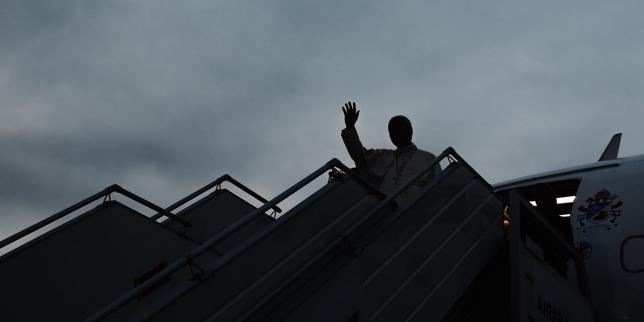
Most headline-chasers focused purely on the optics—the cheering crowds, the security cordons, and the solemn farewell ceremony at the airport around 6:30 PM before his flight back to Rome-Fiumicino. But the real takeaway happened behind closed doors during the interreligious talks and the European unity panels.
In an era where global institutions struggle to bridge cultural divides, Leo XIV used his final hours in France to model how different traditions can actually sit at the same table and talk tough issues through. It wasn't about flashy speeches or corporate-style buzzwords. It was raw, grounded diplomacy.
As the papal plane lifted off from Lorraine airspace heading south toward Rome, the dust settled on a very intense four days. France got its answers, the Vatican delivered its message, and Metz solidified its place in modern papal history.
Don't expect the political ripples of this visit to fade anytime soon. The conversations started in Paris, deepened in Lourdes, and crystallized in Metz are going to shape church-state relations across Europe for the rest of the decade.