A working dog relies entirely on his handler for survival. When that trust breaks down, the results are catastrophic.
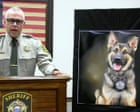
In Madison County, Tennessee, a two-and-a-half-year-old German shepherd named Bart died a preventable death. Bart was a patrol dog specializing in suspect tracking, apprehension, searches, and drug detection. On September 19, Madison County Sheriff Julian Wiser announced that Bart had been found dead inside his outdoor kennel. The cause? Severe dehydration and heatstroke after being left without water for roughly 36 hours while temperatures soared to 101F. Meanwhile, you can explore related developments here: South Korea Just Declared Cyber War After Massive Financial Data Leaks.
The handler, whose name hasn't been immediately released, wasn't home during that day and a half. Following the discovery, the deputy was placed on administrative leave and quickly resigned. Now, internal and criminal investigations are moving forward, with search warrants executed and findings heading straight to prosecutors.
Police K9 units are marketed as elite partners in law enforcement. Yet, the systems designed to protect these animals often fail miserably. To understand the full picture, check out the recent report by Reuters.
The Grim Reality of K9 Line-of-Duty Deaths
People think gunfire is the primary danger for police dogs. It's not. Heatstroke kills working dogs at an alarming rate, second only to combat and tactical gunfire.
Data from the Police Practice and Research Journal reveals a brutal truth about K9 mortality. Heatstroke accounts for roughly one in five line-of-duty deaths for police dogs. Even worse, studies show that roughly 70% of those heat-related tragedies stem from human oversight or mechanical failures while the dogs are unattended.
When temperatures climb past 100 degrees, leaving a dog without access to fresh water for 36 hours isn't just an administrative error. It's gross negligence. Sheriff Wiser, a former canine unit supervisor himself, called the incident "very sad and unfortunate" during a public video update. But sadness doesn't bring a trained animal back, and it doesn't automatically translate to institutional reform.
Why Handlers and Departments Face Scrutiny
Accountability in police K9 handling is notoriously murky. Historically, when a department dog dies due to handler neglect, the consequences are internal. A suspension, a reprimand, or a quiet resignation often closes the book.
Criminal investigations remain rare, even when civilian pet owners face felony animal cruelty charges for identical behavior. That double standard infuriates communities. When law enforcement officers are granted special discretion, accountability often gets lost in the bureaucracy of internal affairs.
Madison County's decision to forward findings to prosecutors marks a critical shift. A resignation shouldn't mean immunity. If a civilian leaves a dog to die in extreme heat without water, they face criminal charges. Law enforcement handlers shouldn't enjoy a different set of rules just because the animal wore a badge.
Fixing a Broken System
Agencies across the country need to overhaul how they monitor animal welfare off-duty. K9 units aren't equipment stored in a locker; they are living, breathing creatures requiring constant maintenance.
Departments should mandate regular welfare checks, unexpected supervisory visits to handlers' homes, and strict automated temperature and hydration tracking for both cruisers and home kennels. If an agency demands the loyalty and capability of a working dog, it owes that animal basic safety standards.
Bart paid the ultimate price for a human failure. Real justice requires transparency from prosecutors and strict criminal accountability for anyone who neglects a service animal under their care.