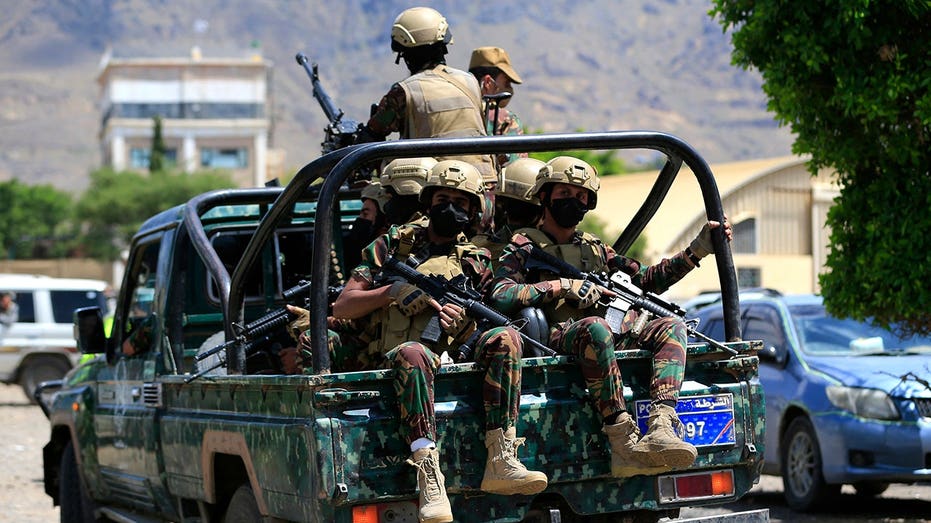
The rules of engagement across the Red Sea are shifting. Recent military assessments point to a troubling evolution in the arsenal deployed by Houthi forces in Yemen's protracted war. Analysts and defense officials are tracking the emergence of modified air defense systems and cruise missiles, raising urgent questions about how non-state actors are rapidly modernizing their strike capabilities.
If you are following the geopolitical fallout in the Middle East, this isn't just another routine escalation. It represents a fundamental change in regional threat dynamics.
The Technical Evolution Behind the Red Sea Strikes
For years, military observers watched the Houthi movement rely heavily on basic drones and imported ballistic hardware. That picture looks different now. Recent reports indicate that defense assets originally designed for surface-to-air defense are being converted into loitering munitions and modified cruise missiles.
Experts point out that these adapted systems can cruise for extended periods, utilizing thermal tracking to locate targets. When non-state actors gain access to advanced technical conversion expertise, standard interception playbooks fail. Navies patrolling the Bab el-Mandeb Strait are finding that traditional threat identification models don't catch these nimble, hybrid projectiles.
What This Means for Commercial Shipping and Aviation
The human and economic cost of these developments goes far beyond military frontlines. Commercial shipping lanes in the southern Red Sea face recurring disruptions, forcing global supply chains to adapt to heightened maritime risk. Recent incidents involving attacks on cargo vessels and tankers highlight how vulnerable international trade routes remain.
At the same time, regional authorities have raised alarms regarding civil aviation safety. Modified systems launched from coastal areas like Hodeidah introduce severe hazards for commercial aircraft and humanitarian flights operating over regional air corridors. When missile technology gets repurposed without the built-in fail-safes of regular state militaries, civilian safety pays the price.
Shifting Regional Alliances and Responses
This technological upgrade doesn't happen in a vacuum. As the conflict intertwines with broader regional frictions involving Iran and regional coalitions, diplomatic efforts are scrambling to keep pace. Saudi-led coalitions and international partners are weighing fresh defense pacts and maritime security initiatives to counter the growing threat.
Yet, intercepting hardware is only half the battle. Stopping the flow of technical components requires aggressive intelligence sharing and border interdiction that many regional actors are still struggling to coordinate effectively.
What to Watch Next
Keep an eye on how international maritime task forces update their electronic warfare countermeasures. Standard missile defense systems were built for conventional threats, not improvised, modified cruise missiles that blur the line between surface-to-air defense and offensive strike capabilities. Expect naval forces to accelerate the deployment of directed-energy weapons and advanced software filters to counter these shifting tactics.