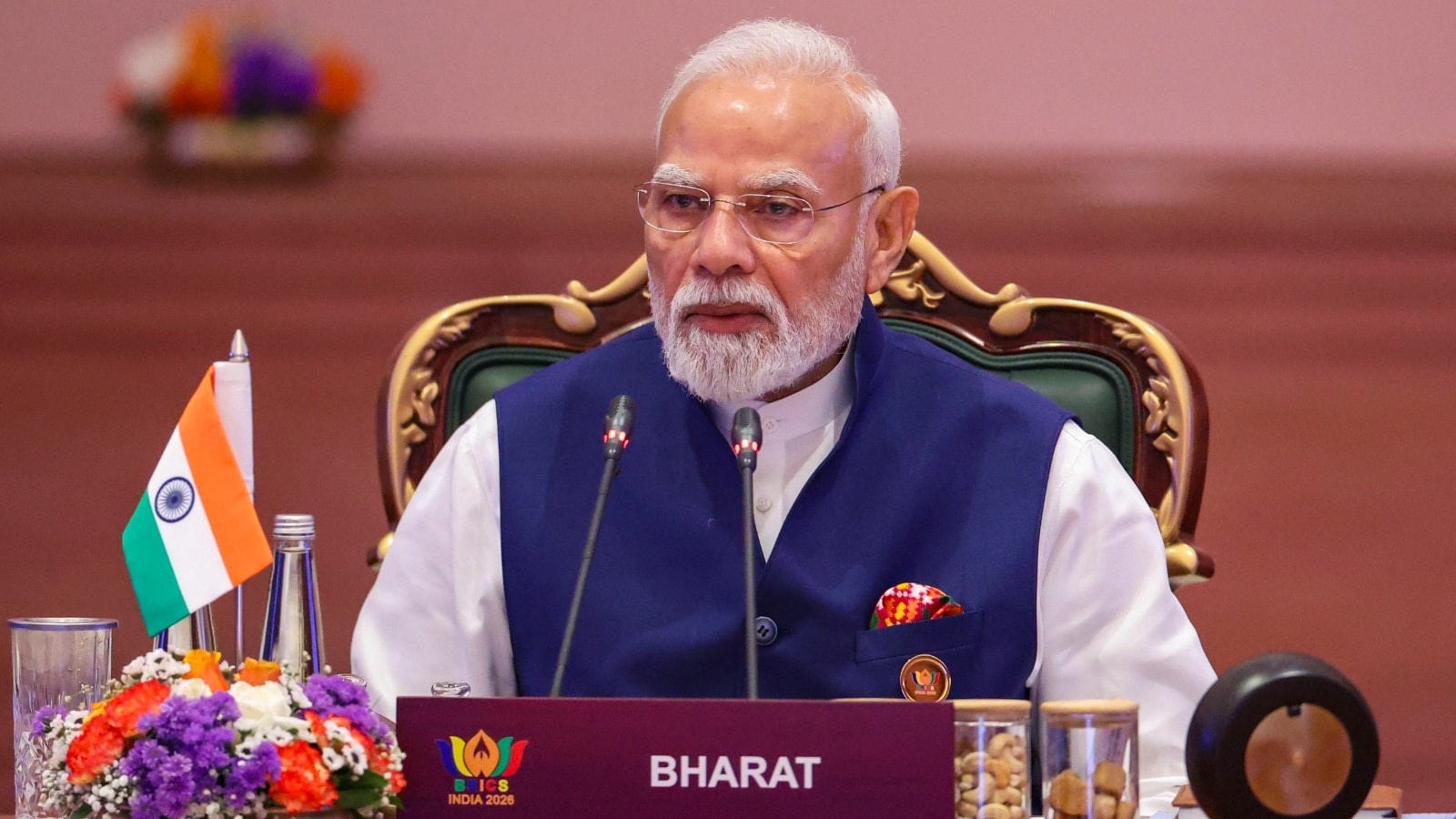
High-stakes diplomacy rarely follows a smooth script. When Prime Minister Narendra Modi recently picked up the phone to talk with US President Donald Trump, it wasn't just a routine check-in between old political allies. It came against a backdrop of mounting economic friction, fresh American tariffs, and tightening legislative screws on countries buying discounted Russian crude. With Commerce and Industry Minister Piyush Goyal visiting Washington to salvage an interim trade pact, the pressure on Delhi's economic policy is real.
If you're wondering why India-US relations suddenly feel so tense after years of warm handshakes and joint defense pacts, you have to look at the messy intersection of domestic American politics, secondary sanctions, and energy security. Let's break down what's actually happening behind closed doors.
The Russian Oil Trap and US Pressure
Washington isn't happy about India's energy imports. Over the past year, as Western nations tried to squeeze Moscow's war chest, India kept buying discounted Russian oil. That single choice fueled a massive political storm.
In response, the Trump administration pushed forward with aggressive trade measures. We saw reciprocal tariffs hit 50 percent on several Indian exports, alongside a targeted 25 percent levy specifically tied to oil purchases. US officials argued that Delhi's energy strategy was inadvertently propping up Moscow's economy.
Modi's recent call with Trump aimed to steady the ship, but the fundamental disagreement remains. India buys energy where it makes the most economic sense for its 1.4 billion citizens. Managing inflation and keeping energy affordable isn't something Delhi can compromise on just to appease foreign capitals.
The Trade Deal Stalled in Washington
Commerce Minister Piyush Goyal’s trip to the United States highlights how badly both sides want a comprehensive bilateral economic agreement, yet how difficult it is to cross the finish line.
Washington wants market access and tighter alignment on strategic technologies. Delhi wants relief from Section 301 tariffs—currently sitting at a baseline 10 percent on various goods, with brutal 50 percent duties on steel and aluminum.
External Affairs Minister S. Jaishankar recently pointed out the core frustration during an appearance at the Asia Society Policy Institute. He noted that US policymakers often lack a deep understanding of India's regional security realities, especially regarding cross-border terrorism and immediate neighborhood threats. When trade negotiations get dragged into the mud of unrelated geopolitical penalties, trust takes a hit.
Navigating the Sanctions Hurdle
The latest legislative threat comes from new US laws targeting nations maintaining energy ties with Russia. While the framework includes specific exemptions for countries that show "significant steps" to cut back imports, the criteria are narrow and politically charged.
Indian diplomats are actively pushing back, raising these concerns with visiting US congressional delegations and American trade representatives alike. Delhi refuses to be treated as a junior partner expected to take orders without pushback.
What Comes Next for Bilateral Ties
Despite the current friction, neither nation wants a full-scale diplomatic rupture. Defense cooperation, critical technology partnerships, and space initiatives are too valuable to throw away over short-term trade disputes.
Expect tense negotiations over the coming months. India will continue diversifying its energy sources while protecting its strategic autonomy, and Washington will keep using economic leverage to push its foreign policy goals. It's a pragmatic balancing act, and it defines the modern reality of India-US relations.