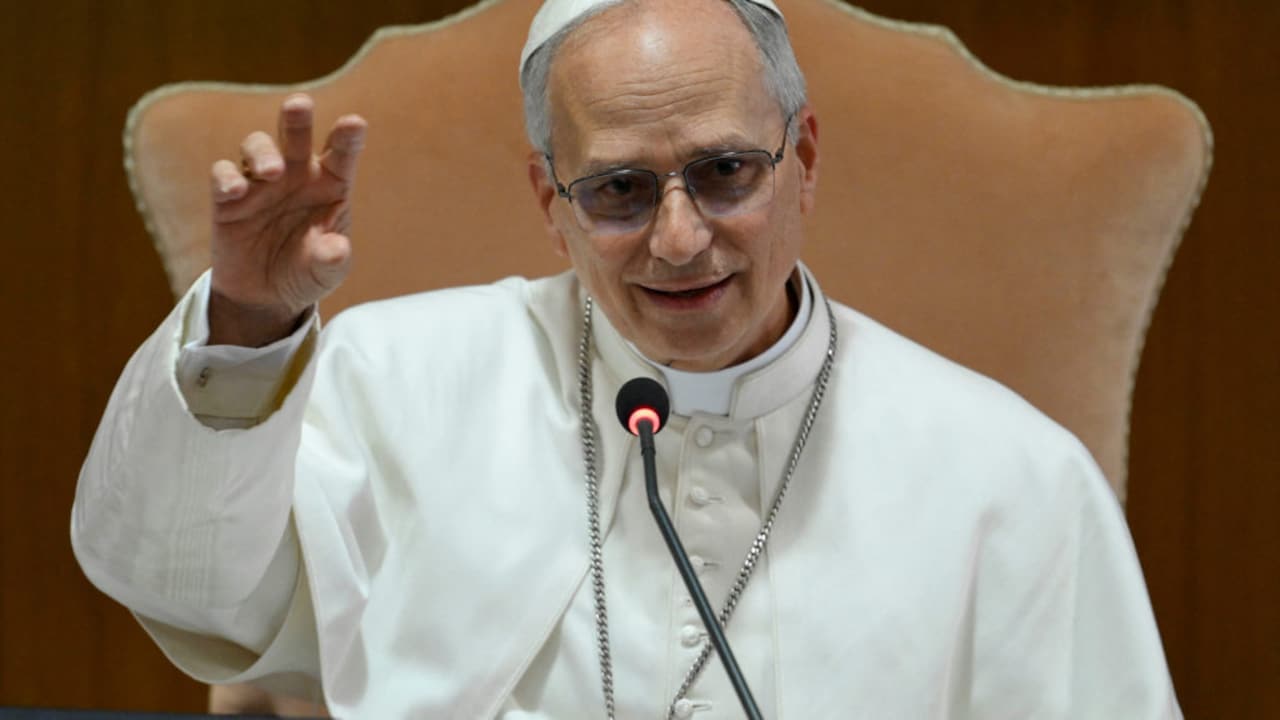
We keep watching the same horrific tragedy unfold on our screens, pretending that the traditional rules of geopolitical conflict still apply. They don't. Modern industrial warfare has reached a point of absolute absurdity where victory is indistinguishable from total ruin. Pope Leo recently looked at the carnage grinding through Eastern Europe and stated plainly that these wars no longer make sense. He is right, and it is time we stopped pretending otherwise.
When you look closely at the Russia-Ukraine conflict, the sheer economic and human waste staggers the imagination. Years of fighting have turned fertile agricultural regions and bustling cities into moonscapes. Millions have been displaced. Trillions of dollars in infrastructure have been vaporized. For what? A few square kilometers of mined-out rubble and trenches? Traditional military thinking tells us that perseverance wins the day, but when perseverance means burning through an entire generation of young people and bankrupting nations, the concept of victory loses its meaning entirely.
The Cost of Refusing to Talk
Why do leaders find it so difficult to sit down at a negotiating table? Ego, politics, and the terrifying momentum of military machinery all play a role. Once a war starts, it acquires a life of its own. It feeds on civilian suffering, media bravado, and defense-budget injections.
Pope Leo pointed out a glaring truth during his recent flight back to Rome following a trip to France: world leaders are once again tossing around loose talk about nuclear weapons and escalating destructive capabilities as if they are playing a video game. This normalization of apocalyptic rhetoric should terrify every single one of us.
Let's look at the actual numbers that matter. According to global defense spending estimates by the Stockholm International Peace Research Institute (SIPRI), worldwide military expenditures surged past historic highs, topping $2.4 trillion recently. Imagine redirecting a fraction of that astronomical capital toward healthcare, education, and climate adaptation. Instead, society funnels wealth into metal tubes designed to turn human beings into statistics.
The Concession Reality Check
Europeans and global allies often recoil at the mere mention of compromise. Concessions feel like moral failures. But history shows that every single modern conflict—no matter how bitter, protracted, or ideologically charged—eventually ends at a table through compromise. You cannot negotiate away the dead, but you can stop adding to their number.
The Vatican has long positioned itself as a neutral moral anchor, but Pope Leo's recent statements in Metz, France, carried a sharper edge. He argued that Europe and international stakeholders must be willing to sacrifice rigid positions to achieve actual peace. That takes courage. It is much easier to posture behind a podium and demand total victory while someone else's children bleed in a trench. It is much harder to look a population in the eye and say that peace requires swallowing your pride.
Moving Past the Rhetoric
We need a massive shift in how society evaluates security. Deterrence through mutually assured destruction is a house of cards waiting for a single miscalculation. When the head of the Catholic Church—representing 1.4 billion people globally—calls out the sheer irrationality of modern warfare, leaders need to listen, not just file it away as standard diplomatic filler.
If you care about the future of global stability, stop cheering for total knockout blows that never arrive. Demand real diplomacy. Support channels of communication that bypass military contractors and political chest-thumping. The alternative is an endless descent into a war economy that benefits no one except the merchants of death.
Take a hard look at the news feeds and strip away the nationalism. The math of war has failed. Sitting down to talk isn't weakness. It is the only surviving option for a species that wants to keep living on this planet.