Send people back into an active war zone. Watch international bodies scream in protest. Do it anyway.
That is precisely what Kuala Lumpur is doing right now. Malaysia has officially started executing a controversial mass repatriation scheme, sending thousands of Myanmar nationals back across the sea despite fierce warnings from the United Nations and more than 160 civil society groups. The operation targets an initial wave of 1,500 people, with a total goal of packing 5,000 citizens onto military ships and flights.
The government frames it as a necessary administrative cleanup. Human rights organizations call it a catastrophe waiting to happen.
The Reality Behind the Voluntary Return Label
Malaysia insists these departures are voluntary. Officials claim detainees inside immigration camps willingly signed up to go home.
Nobody on the ground believes that. When you hold undocumented migrants and asylum seekers in packed detention facilities amid an aggressive anti-migrant political climate, choices stop being real choices. Survival instincts kick in. People agree to almost anything if it means escaping indefinite detention.
Look at the demographics. Two-thirds of the roughly 190,000 refugees and asylum seekers from Myanmar living in Malaysia are Rohingya. Many fled a brutal military crackdown back in 2017. Returning them now, while a devastating civil war consumes Myanmar under a ruthless junta, means handing vulnerable populations right back to the exact forces they escaped.
UN human rights chief Volker Turk didn't mince words, urging an immediate halt to the process. He pointed out the obvious truth: nobody can give genuinely informed consent to return to a country facing rampant atrocities, systemic abuses, and ongoing violence.
Domestic Pressure and Political Realities
Why is Malaysia taking this severe stance now? The answer comes down to domestic politics and economic strain.
Kuala Lumpur's interior ministry defended the move by labeling the refugee population a legacy issue. Officials argue that hosting nearly 200,000 displaced people from Myanmar places a heavy financial burden on the state, strains social infrastructure, and creates security risks. Anti-migrant rhetoric has surged across the country, fueled by economic anxieties and political opportunism.
Prime Minister Anwar Ibrahim's administration faces intense pressure to show citizens it controls national borders. When a group of Rohingya refugees gathered outside the UN refugee agency office in Kuala Lumpur earlier this year after facing eviction threats, it triggered a massive backlash. Authorities quickly detained over 100 of them. That incident set the wheels in motion for the current deal with Myanmar's ruling military regime.
The Legal Blind Spot in Southeast Asia
Malaysia holds a massive trump card in its own legal framework, or the lack thereof.
The country never signed the 1951 Refugee Convention. It doesn't officially recognize refugee status under domestic law. To the Malaysian legal system, an asylum seeker from a war zone and an undocumented economic migrant look identical. Both are treated as immigration violators.
This legal vacuum strips away basic protections. Without formal recognition, refugees have no legal right to work, no secure access to education for their children, and constant vulnerability to sudden sweeps and detention raids. When regional neighbors refuse to build formal protection frameworks, forced deportations become dangerously easy to execute under administrative convenience.
What Happens Next
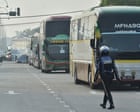
The first batch of navy ships has already left the Lumut naval base. Buses packed with deportees have rolled out under heavy police escort.
Myanmar's military junta promises safe and dignified returns, a claim that rings hollow to anyone tracking the daily reality of airstrikes, arbitrary arrests, and systemic persecution across townships from Rakhine to Sagaing.
The international community can issue warnings, and civil society groups can draft joint statements, but realpolitik on the ground in Southeast Asia currently favors closure over caution. Malaysia wants a smaller foreign population, and the government is willing to ignore global condemnation to get it.
Monitor how regional ASEAN partners respond as subsequent waves leave port. The precedent set here will dictate how thousands of other displaced people are handled across the region in the coming months.