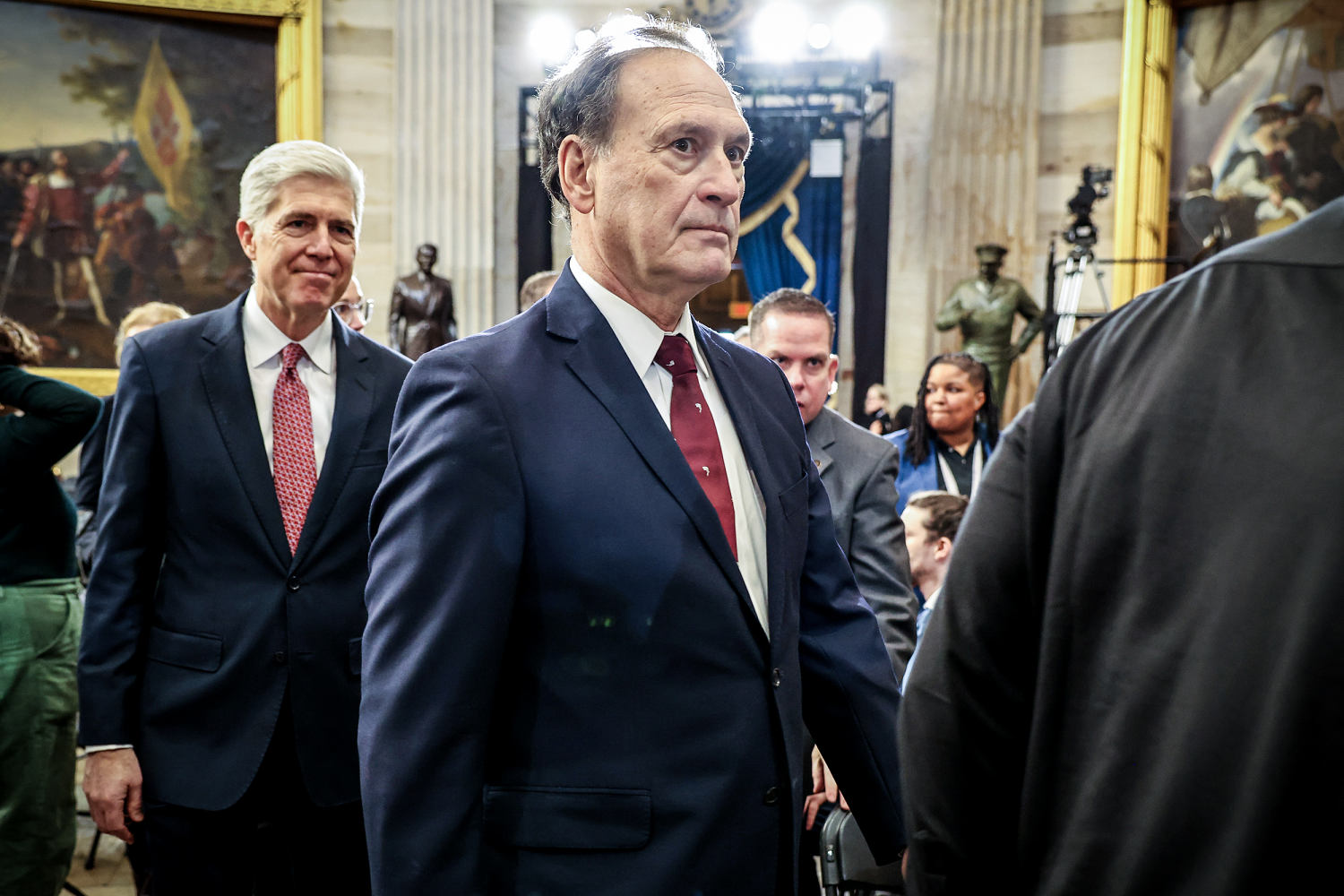
Supreme Court Justice Samuel Alito just stepped aside from one of the highest-stakes climate lawsuits on the docket.
The decision centers on Suncor Energy v. Boulder County, a massive legal battle where local Colorado governments are suing fossil fuel giants for billions in damages over climate change deception. Just days before oral arguments, Alito announced he's out.
Why did he pull back? Financial disclosures point to holdings in companies like ConocoPhillips and Phillips 66. Watchdog groups argued those energy assets create a conflict under the court's ethics code. Even though he doesn't hold direct stock in Suncor or ExxonMobil, critics pointed out that a sweeping ruling for the oil industry could benefit his portfolio.
It’s a rare move. Last-minute recusals at the highest level don't happen often.
The Core Fight Behind Suncor v. Boulder County
You need to understand what's actually at stake here. Local municipalities across the country are tired of footing the bill for rising sea levels, extreme heat, and climate adaptation costs. They filed lawsuits in state courts, arguing that energy companies lied to the public for decades about the risks of fossil fuels.
The energy companies want nothing to do with state courts. They're backed by the Trump administration, arguing that global issues like climate change belong under federal law, not local courtrooms. If the Supreme Court rules in favor of the energy sector, it could kill dozens of similar lawsuits nationwide.
Alito's exit changes the math. Court watchers note that losing a conservative vote could sway the final outcome or complicate how the bench splits on federal preemption of state common-law claims.
The Pressure Behind the Recusal
Pressure didn't appear overnight. For months, ethics watchdogs like Consumer Watchdog hammered the court over financial entanglements. They cited the Supreme Court's newly adopted code of ethics. The code states a justice must recuse themselves if their impartiality might reasonably be questioned or if they have a financial interest in the subject matter.
Alito also faced heavy media scrutiny regarding private jet flights and connections to major investors tied to energy companies.
This isn't even his first time stepping down under similar circumstances. Back in January, he recused himself from Chevron USA Inc. v. Plaquemines Parish right before arguments, citing his financial stake in ConocoPhillips.
What Happens Next
Oral arguments are locked in for October 5. With an eight-justice bench minus Alito, the legal landscape for fossil fuel accountability shifts slightly.
If you are following corporate accountability or environmental law, keep a close eye on how the remaining justices handle state versus federal authority. The ruling won't just impact Colorado—it sets the national standard for whether local communities can hold energy companies financially liable for climate impacts.
Check the upcoming court schedule and read the specific state nuisance claims to see how local governments plan to navigate the federal defense strategy without Alito on the bench.