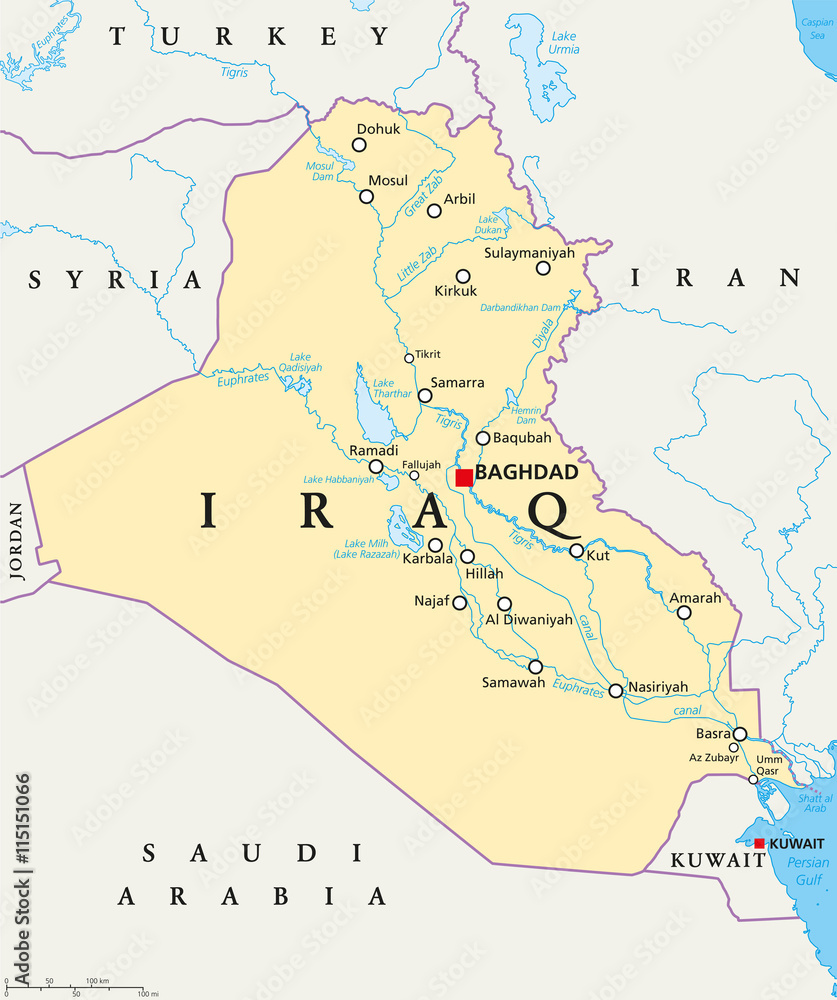
Two decades of American military presence in Iraq are officially ending, and Baghdad is walking a razor-thin line. As the final US bases empty out, Iraqi leaders aren't popping champagne—they're bracing for impact. The exit brings national celebrations and sovereignty rhetoric, but behind closed doors, officials know the hard part starts now.
You're looking at a profound power vacuum. When foreign forces pack up after more than twenty years, stability doesn't just happen by default. It has to be built, guarded, and fought for. Right now, Baghdad has to manage aggressive domestic militias, keep a resurgent Islamic State from reclaiming territory, and dodge getting crushed in regional proxy wars.
The Vacuum Left Behind
The US-led coalition's departure marks a historic turning point, but it's loaded with structural dangers. For years, American forces provided a buffer and intelligence-sharing backbone against militant cells. With them gone, the Iraqi security apparatus has to stand entirely on its own two feet.
That sounds great on paper for national pride, but reality is messy. The Islamic State hasn't vanished. Sleeper cells in remote governorates are waiting for exactly this kind of distraction to regroup and strike. If the Iraqi army stretches its resources too thin trying to police political factions, extremist groups will find the breathing room they need.
The Regional Pressure Cooker
You can't talk about Iraq's security without looking across the border. Tehran views the US withdrawal as a major strategic victory for its regional network of armed groups. At the same time, Washington and its allies remain deeply suspicious of Iran-backed militias operating inside Iraqi borders, especially given ongoing regional conflicts and recent attacks on infrastructure in neighboring states.
Prime Minister Ali al-Zaidi faces an impossible tightrope walk. Push too hard to disarm or rein in powerful domestic militias, and you trigger violent civil unrest from political factions who view those groups as protectors. Back down, and you risk alienating Western partners who might view Baghdad as an Iranian satellite state. It's a lose-lose political math problem.
What Happens Next
Security sector reform isn't a quick fix you can check off a government checklist. It requires dismantling entrenched power structures that have dominated Iraqi politics for years. Officials have already delayed militia integration plans because the domestic blowback was simply too high.
If you want to understand where Iraq is heading, watch how Baghdad handles its borders and intelligence sharing over the next six months. Real sovereignty isn't just about waving flags as foreign troops leave. It's about keeping the peace when everyone else is trying to fill the void.