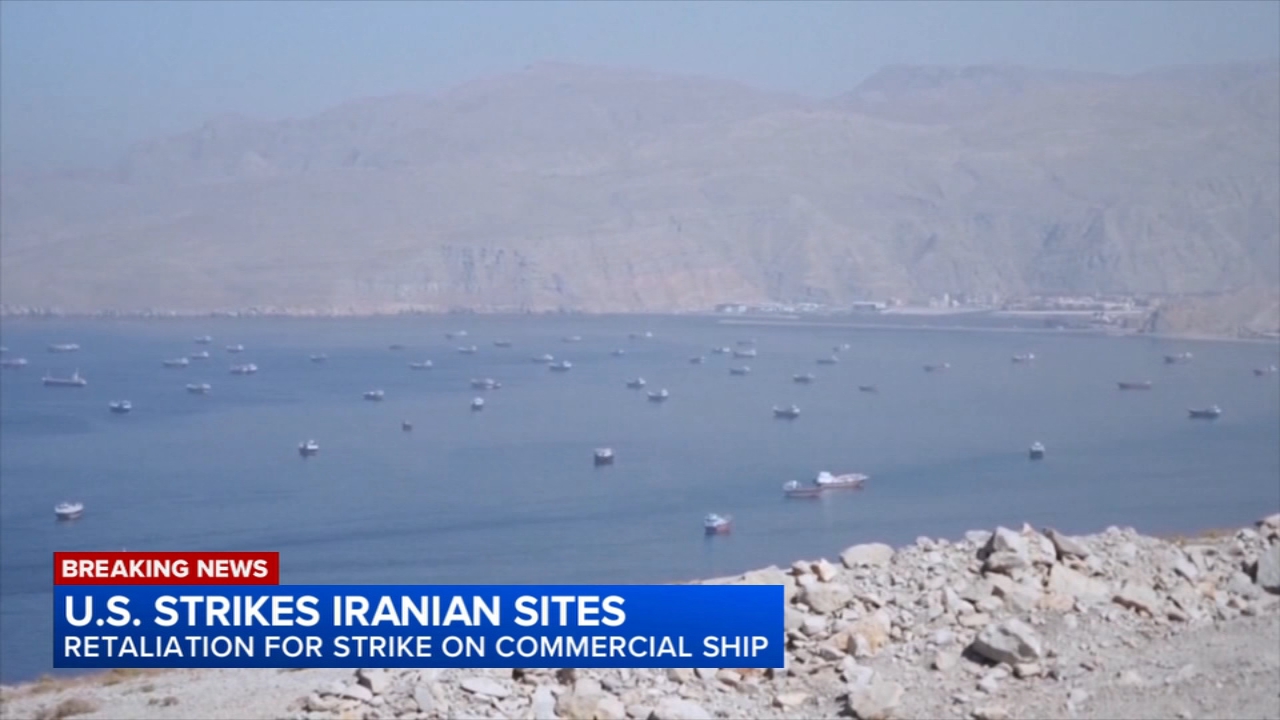
Foreign policy standoffs rarely end with a clean handshake. Right now, Iranian Foreign Minister Abbas Araghchi says Tehran is sitting tight, waiting for a formal response through mediators regarding its proposed seven-day roadmap for the Strait of Hormuz. If you look past the public posturing, the diplomatic math simply doesn't add up yet.
Washington has already signaled heavy skepticism. Behind closed doors, reports indicate that US leadership has little appetite for the current terms on the table. But Tehran insists that any movement on unlocking critical maritime trade routes depends entirely on fulfillment of its core demands.
The Seven-Day Roadmap Reality
Let us break down what Iran actually put forward on the margins of the United Nations General Assembly. The proposal centers on a brief seven-day window designed to halt active hostilities, reopen the blocked Strait of Hormuz, and set the stage for subsequent talks concerning Iran's nuclear infrastructure.
It sounds straightforward on paper. In practice, it mirrors previous diplomatic frameworks, such as the memorandum of understanding floated earlier in June.
Yet, Washington's response has been sharp and public. High-level rejections from US officials make it clear that a fast-tracked reopening under Iranian conditions is a non-starter. Donald Trump publicly dismissed the terms, arguing that immediate concessions on the shipping lane would only reward a failing strategy.
Why the Strait of Hormuz Matters So Much
Energy markets and global supply chains live on edge every time tensions spike in this narrow waterway. A significant portion of the world's petroleum transit passes directly through these choke points. When regional friction closes or restricts this lane, shipping costs skyrocket and global economies feel the squeeze instantly.
Tehran knows this leverage point inside and out. Araghchi maintains that a negotiated settlement is the only exit from the current geopolitical deadlock.
"Only a negotiated solution can get them out of this deadlock; that is our position."
However, believing that an ultimatum or a tight seven-day turnaround will force an immediate policy shift in Washington ignores political realities. Both sides are playing to domestic audiences and international observers, positioning themselves for maximum leverage before any real compromises happen.
What Happens Next in the West Asia Crisis
Diplomacy rarely moves in a straight line when military escalations loom in the background. Reports from Washington indicate that strategic planning is already factoring in potential military shifts, with chatter pointing toward post-midterm timelines.
If you are tracking this crisis, watch the diplomatic channels rather than the public threats. Mediators from Oman or Qatar remain the real pulse check for whether a formal counter-proposal will ever materialize. Until an official document lands on Araghchi's desk, expect the status quo of high-stakes brinkmanship to hold firm.
Evaluate the developments through the lens of concrete actions rather than rhetoric. Monitor maritime insurance rates, tanker traffic updates, and direct statements from mediating capitals to spot any genuine shift away from the current stalemate.