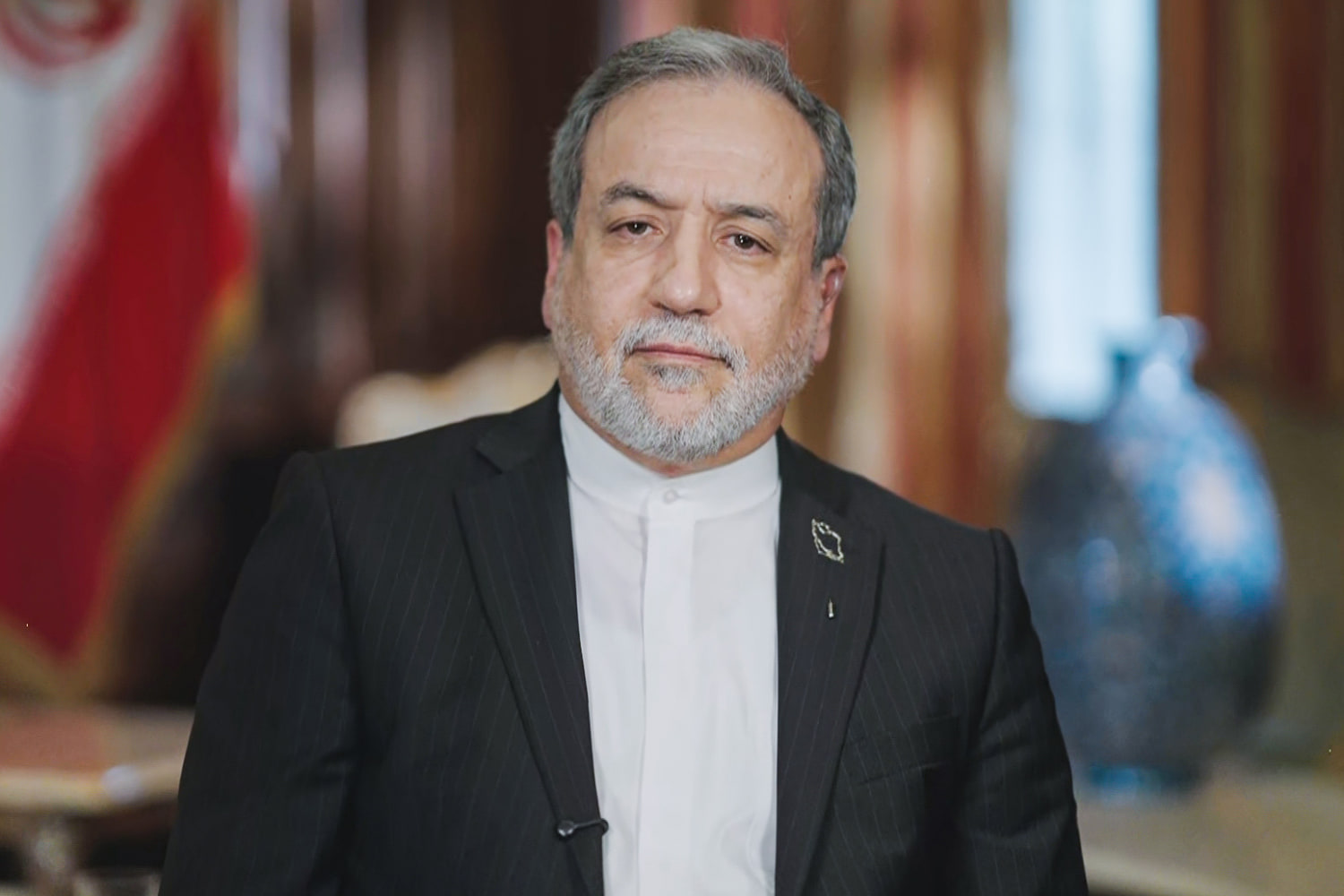
Foreign policy standoffs rarely end with neat signatures on paper. Instead, they drag out in a tense loop of ultimatums, back-channel messaging, and military posturing. Iranian Foreign Minister Abbas Araghchi made it clear that Tehran stands fully prepared for war to resume, even as state officials insist that diplomatic channels remain open.
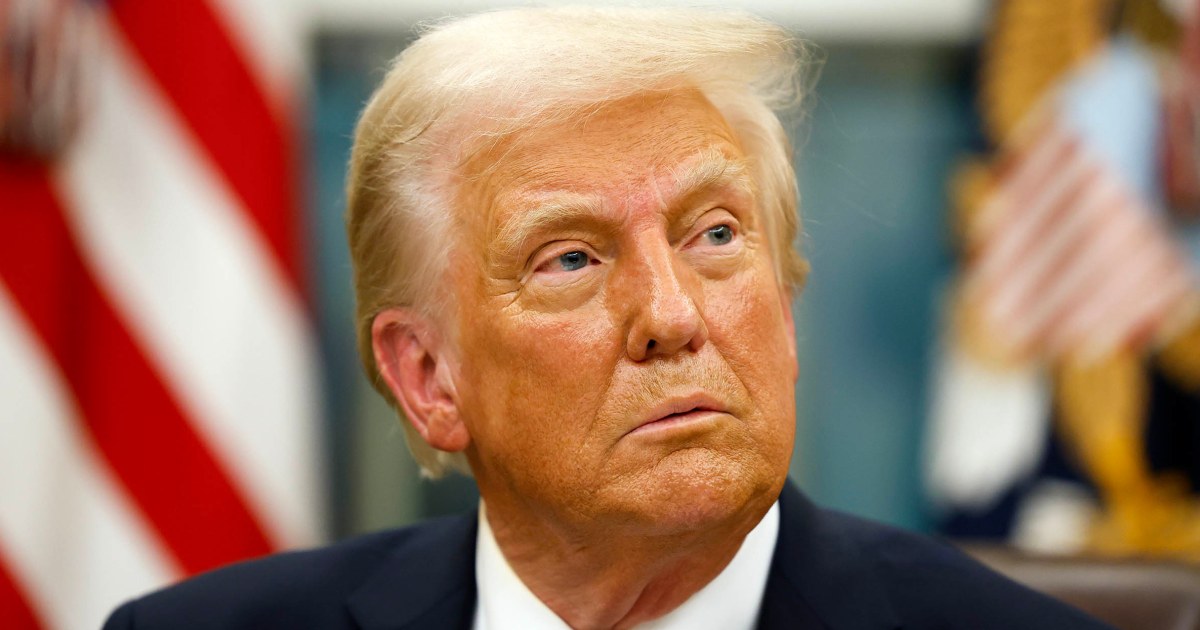
If you look past the public posturing between Washington and Tehran, a familiar pattern emerges. President Donald Trump recently announced that he rejected a proposal floated through Qatari mediators at the United Nations General Assembly. Yet, Iranian leadership claims they have received no official word through diplomatic channels. This disconnect highlights how modern geopolitical negotiations often play out across television screens and social media feeds before actual diplomats ever sit down at a table. If you found value in this piece, you might want to read: this related article.
The Strait of Hormuz Chokepoint and the Seven-Day Proposal
At the heart of the current crisis is the closure of the Strait of Hormuz, a critical global oil transit route that Iran shut down following earlier military strikes. Tehran’s recent proposal offers a concrete timeline: a seven-day sequence where the strait would reopen on day six if the United States meets specific conditions.
Those conditions are hardly secret. Iran wants frozen assets released, the maritime blockade lifted, and authorization to resume international oil sales. From Tehran's perspective, these demands mirror previous understandings hashed out in earlier diplomatic efforts. Washington views the terms differently. U.S. officials argue that asking for sanctions relief and access to billions in frozen funds while the region remains volatile is a non-starter. For another perspective on this story, refer to the recent update from BBC News.
Shifting Tactics and Deep Distrust
Military planners in Tehran have spent the last few months altering their defense strategies. Araghchi noted that Iran has learned hard lessons from previous rounds of fighting, adapting its tactics to face potential new aggression. When leaders talk about a "doomsday war," they are signaling that the cost of renewed conflict will be felt far beyond local borders.
Trust between the two governments has effectively evaporated. Iranian officials frequently point to past agreements that collapsed days after being signed. Washington counters that the Trump administration holds little confidence in Tehran's willingness to stick to long-term commitments. With neither side willing to blink first, the burden of choice rests entirely on presidential decision-making in the White House.
Diplomacy rarely dies all at once. It lingers in the background, kept alive by mediators who refuse to walk away, even when the threat of renewed airstrikes hangs heavy over the region.
NBC News exclusive interview with Iran's foreign minister on war
This video provides direct context on how Iranian leadership frames its military readiness and diplomatic strategy during high-stakes conflicts with the United States.