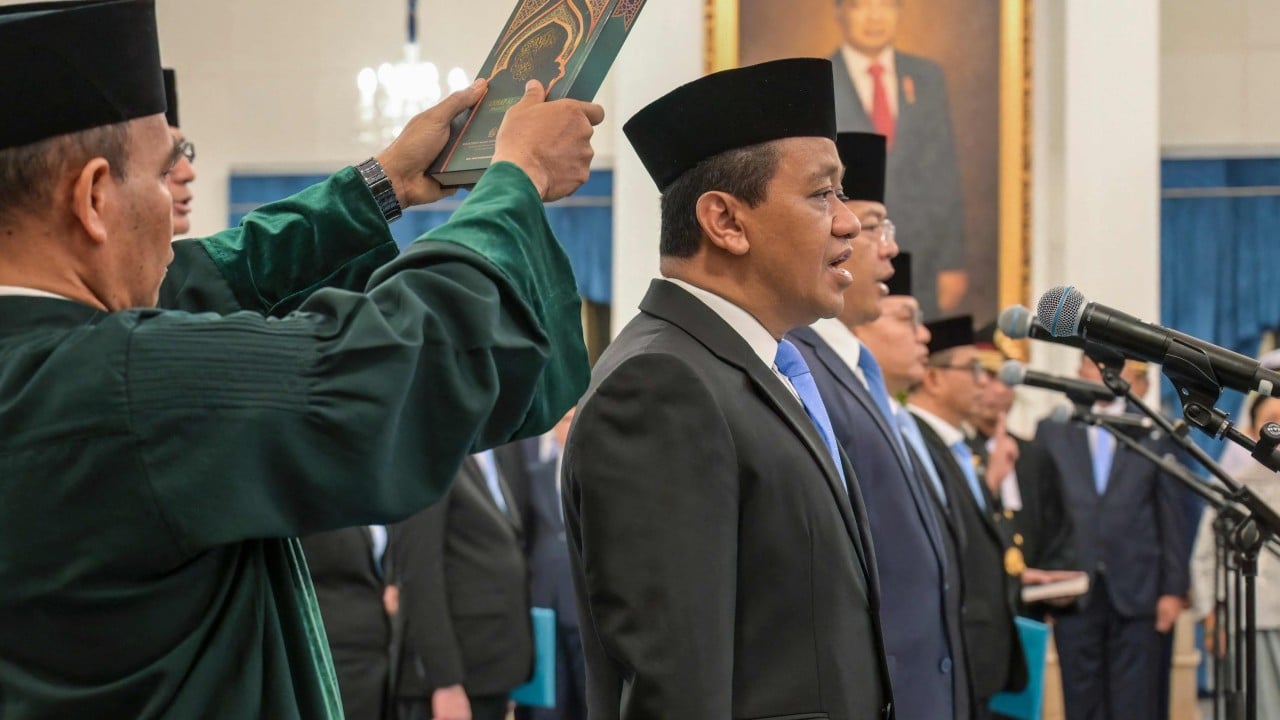
Indonesian President Prabowo Subianto just executed a sweeping government overhaul, swapping out key ministers and shifting high-profile figures. It is a classic political play. When criticism mounts and public confidence slips, leaders shuffle the deck chairs.
The real question is whether swapping personnel fixes structural policy missteps. Or is it just high-stakes window dressing?
Inside the Late-2026 Overhaul
The October cabinet changes brought career diplomat Arrmanatha Nasir into the foreign ministry, replacing Sugiono. At the same time, Bahlil Lahadalia stepped into a new role overseeing downstream industrialization and energy transition, while Suyudi Ario Seto took over as national police chief.
These aren't minor tweaks. They touch core pillars of Indonesia's state apparatus: diplomacy, industrial strategy, and internal security.
For months, Jakarta faced mounting friction. Foreign policy maneuvers—such as controversial alignments with international initiatives that drew sharp domestic blowback—put the administration on the defensive. By installing a seasoned diplomat like Nasir, the palace is clearly trying to project professional competence and steady the ship on the global stage.
The Core Problem Behind the Criticism
Cabinets don't fracture in a vacuum. Prabowo’s administration has wrestled with an uncomfortable tension between centralizing political clout and maintaining investor trust.
When economic growth forecasts wobble, inflation edges closer to central bank targets, and external trade pressures mount, markets demand predictability. Yet, political loyalty has frequently overshadowed technocratic expertise.
Take the earlier economic management struggles. When policy signals get crossed between the presidential palace and ministries, investors hesitate. Foreign direct investment relies heavily on institutional consistency. Every time a major portfolio changes hands due to political pressure rather than clear performance metrics, it rattles confidence in Southeast Asia’s largest economy.
What Real Credibility Restoration Looks Like
You cannot talk your way out of a credibility deficit. Shuffling ministers gives a temporary news cycle of hope, but the underlying mechanics of governance dictate long-term success.
If the newly appointed ministers are hamstrung by top-heavy executive control, nothing changes. True administrative reform requires giving technocrats the autonomy to make hard, data-driven decisions—even when those decisions clash with short-term political populism.
Indonesian citizens and foreign partners aren't looking for flashy titles. They want reliable execution, predictable legal frameworks, and transparency.
Prabowo has stated that officials unable to carry out their duties should step down. Now he has to prove it. The cabinet has been reset, but the real test begins the moment these new ministers face their first major crisis.
Watch how policy is actually enforced, not just how it is announced. That tells you everything you need to know about where Indonesia is heading.