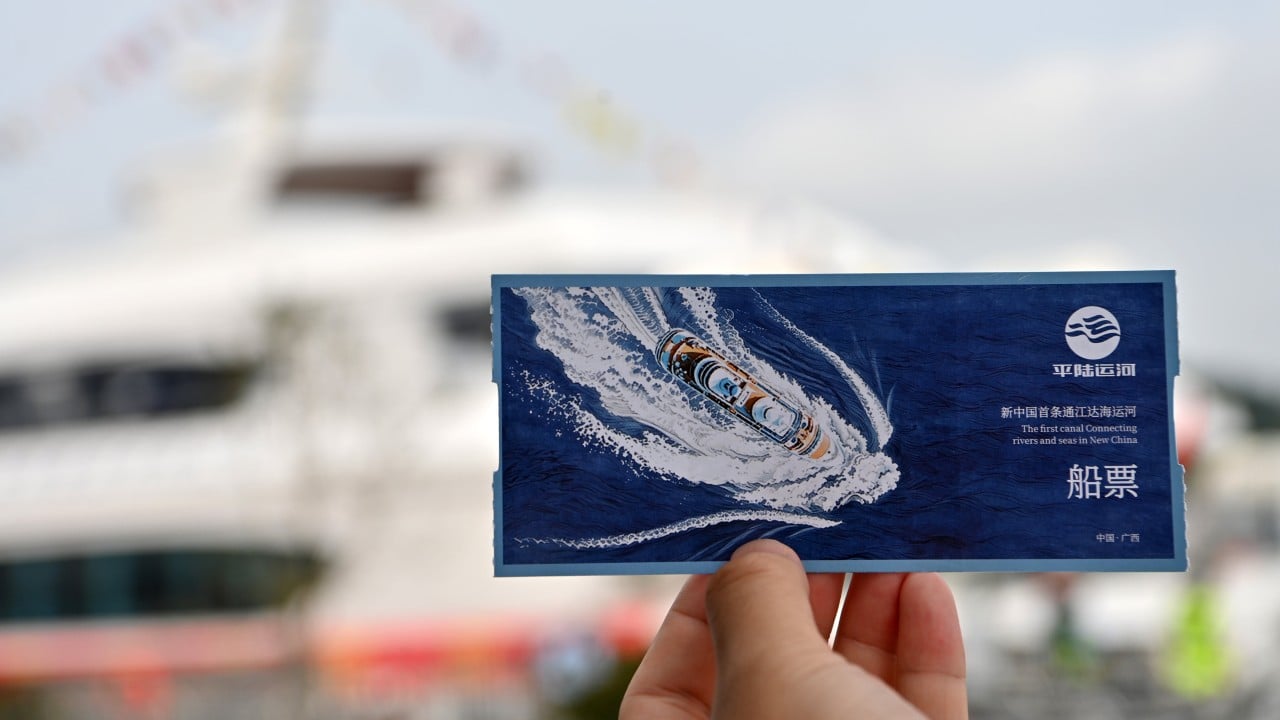
Hong Kong has spent decades resting comfortably on its laurels as the primary maritime gateway between mainland China and the rest of the world. But geography is shifting, and billions of dollars in infrastructure are rewriting southern trade routes right now. The opening of the 134.2-kilometer Pinglu Canal in Guangxi isn't just an engineering feat. It's a direct challenge to traditional shipping hubs that refuse to adapt.
If you think this massive new river-to-sea waterway only concerns inland provinces and Southeast Asian exporters, you're missing the bigger picture. Hong Kong faces a stark choice. It can either rethink its logistics and financial value proposition or watch regional supply chains bypass it entirely.
The Geography of Change
For generations, goods moving from southwest China to the South China Sea relied on circuitous rail-sea networks or lengthy overland trips heading toward traditional coastal ports. The Pinglu Canal changes that equation overnight. By cutting inland shipping distances to the sea by more than 560 kilometers and slicing comprehensive logistics costs by roughly 18 to 30 percent, this massive waterway creates a direct, cost-competitive shortcut.
Vessels carrying up to 5,000 tonnes can now move directly from inland industrial hubs like Nanning out through Beibu Gulf ports into Southeast Asia. When you slash transportation expenses by nearly a third, cargo owners don't hesitate. They move their business. Trade volumes are already scaling up, with operators targeting massive tonnage milestones over the coming decade.
This isn't a future projection. It's happening right now. The infrastructure is built, the shipping routes are active, and companies across ASEAN are rewriting their distribution maps to tap directly into China's vast southwestern consumer base of 250 million people.
Why Traditional Hubs Are Sweating
Hong Kong built its entire economic identity on being the indispensable middleman. Foreign investors parked capital here, multinational corporations set up regional headquarters here, and container ships stopped at Kwai Tsing because it was the most efficient option on the coast.
But efficiency is a moving target. As ports in Guangxi, Shenzhen, and Guangzhou tighten their operational integration with ASEAN partners through frameworks like the upgraded China-ASEAN Free Trade Area, the friction of moving goods through southern China drops significantly. When regional competitors offer cheaper intermodal connections, Hong Kong's historical cost advantages start to evaporate.
The anxiety isn't just about physical transshipment. It's about value capture. Many ASEAN businesses harbor legitimate fears that these new corridors will flood their local markets with cheaper Chinese manufacturing exports. Yet the flip side is equally true for logistics service providers. If southern ports capture the bulk of the raw material, agricultural, and mineral transit heading into China's interior, Hong Kong risks becoming a peripheral player in the very trade corridor it hopes to dominate.
The Real Strategy for Survival
Complacency is the easiest trap for a mature economy, but Hong Kong cannot afford to ignore structural shifts in Asian trade geography. Sitting back and waiting for traditional shipping volumes to return is a losing strategy.
To stay relevant, the city needs to pivot away from merely handling physical boxes and lean hard into what it still does best: high-end maritime services, international legal arbitration, green shipping finance, and complex supply chain management. While physical cargo shifts toward direct river-to-sea shortcuts, the financial architecture backing those transactions still needs world-class oversight.
Local operators and policymakers must forge direct institutional links with the economic zones springing up around the Beibu Gulf and the New International Land-Sea Trade Corridor. Integration beats isolation every single time.
Stop viewing mainland infrastructure projects as threats and start treating them as neighboring economic engines. Build joint ventures, market specialized maritime insurance and green fleet financing to the enterprises utilizing these new corridors, and reposition Hong Kong as the high-value brain trust behind southern China's industrial expansion.
The boats are already moving down the canal. Hong Kong needs to decide if it wants to catch the wave or get left at the dock.